
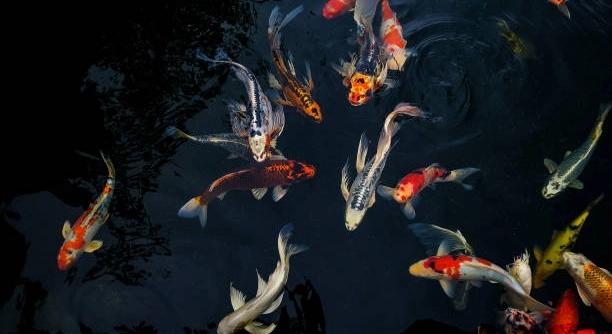
Do you ever find yourself watching your koi fish and wondering if they’re actually trying to tell you something with their behavior?
Koi fish show warning signals through changes in swimming patterns, body posture, and interaction levels. These signs often indicate stress, illness, or environmental discomfort, suggesting it’s best to keep your distance and assess conditions.
Learning how to read these signals can help protect your koi and prevent further harm, especially if you care about their health and comfort.
Unusual Swimming Patterns
When koi start swimming in strange or erratic ways, it usually means something is wrong. You might notice them darting quickly, floating sideways, or rubbing against objects in the pond. These movements often show discomfort, irritation, or stress. The cause can be poor water quality, sudden temperature shifts, or the presence of parasites. Koi are usually calm swimmers, so when their behavior suddenly changes, it’s not something to ignore. Watching closely for changes in how they move can help you catch early signs of trouble. If your koi aren’t swimming normally, it’s best to check the water conditions first. Making small adjustments—like cleaning the filter or checking ammonia levels—can often fix the problem. If things don’t improve quickly, it’s wise to separate the fish and seek help. A healthy koi should move smoothly and with ease. Anything different could be a quiet signal asking for help.
This behavior often appears before more obvious signs of illness, making it important to act quickly.
It’s easy to overlook odd swimming at first. But spotting this early helps prevent serious issues from spreading through the pond. Regular water testing and slow changes in environment help reduce this stress and keep koi swimming peacefully.
Loss of Appetite
Koi that stop eating or show little interest in food are usually not feeling well. It’s one of the earliest signals something might be off.
Skipping meals for a day or two is normal, especially during cold weather. But if your koi consistently ignore food, it could be due to stress, poor water quality, or disease. Water temperature plays a big role in appetite. If it’s too cold or too warm, koi may not feel like eating. Parasites or infections can also affect appetite. Koi have strong eating habits, so a sudden loss should not be ignored. Before taking drastic action, check water conditions and look for other signs like clamped fins, skin issues, or odd swimming. Sometimes just improving oxygen levels or doing a partial water change helps. If the issue continues, consider isolating the fish and seeking expert advice. Prompt care can make a real difference in restoring appetite and overall health.
Clamped Fins and Lethargy
Clamped fins, where the fins are held tightly against the body, are a clear sign of discomfort. When combined with low energy or slow movement, it usually points to a bigger issue affecting your koi’s health.
Koi usually swim with their fins spread out and glide smoothly through the water. When they start holding their fins close and stay near the bottom or surface, it’s often due to poor water conditions, parasites, or internal infections. This behavior should be taken seriously, especially if more than one koi is showing it. Regularly testing for ammonia, nitrites, and pH imbalances can help spot problems early. Make sure filters are clean, and oxygen levels are stable. Avoid sudden changes in temperature or pH, as these can make things worse. If these steps don’t help, isolating the affected koi and contacting a specialist is the safest move forward.
Clamped fins can also show that your koi feel unsafe or are trying to conserve energy. Stress from overcrowding or bullying by other koi can lead to these signs too. Observe your fish closely during feeding or at quiet times. If a usually active koi starts hiding often or moves sluggishly, it’s worth checking for injuries or signs of external parasites on the skin or gills.
Gasping at the Surface
When koi rise to the surface and gasp repeatedly, it usually means they’re not getting enough oxygen. This often happens when the water is too warm or stagnant, or when oxygen levels have dropped unexpectedly.
Warm water holds less oxygen, and koi need more of it in the heat. Overcrowding, too much waste, or a lack of aeration can lower oxygen fast. If your fish are gasping regularly, it’s important to act quickly. Start by checking your air pumps and filters. Increase surface movement with an air stone or waterfall to improve oxygen flow. Avoid feeding during the heat of the day, as it can further reduce oxygen levels. Also, perform partial water changes with cooler, treated water to improve conditions. Long-term, adding shade or plants can help stabilize temperature and oxygen. If you respond early, your koi can bounce back without long-term harm.
Red Streaks or Sores
Red streaks in the fins or visible sores on the body often mean infection or injury. These marks usually come from bacterial issues, parasites, or poor water conditions that weaken the koi’s immune system.
When these signs appear, water testing should be your first step. Poor quality encourages bacteria to grow fast.
Hiding More Than Usual
Koi are social and active, so hiding for long periods can mean something’s wrong. Stress from bullying, sudden changes, or illness can make them retreat. If one fish separates itself and hides often, observe it closely for other physical symptoms or behavior changes. Early action can prevent more serious problems.
Flashes or Rubbing Against Objects
If your koi are rubbing their bodies against rocks or the pond floor, they may be trying to remove parasites or irritants. This action, called flashing, is usually one of the first visible signs that your koi are uncomfortable or feeling unwell.
What causes koi to show “stay away” signals?
Koi show “stay away” signals mainly because they are stressed, sick, or uncomfortable. Changes in water quality, temperature, or overcrowding often cause stress. Parasites, bacteria, or injuries also make koi behave differently. These signals are their way of saying they need space and help. Watching for these early signs helps prevent bigger health problems. Ignoring them can lead to serious illness or even death.
How can I improve water quality to help my koi?
Good water quality is key for koi health. Regular testing for ammonia, nitrites, nitrates, and pH is essential. Partial water changes remove waste and keep conditions stable. Avoid overfeeding, as leftover food pollutes the water. Use a reliable filter and clean it regularly. Adding plants helps balance oxygen and reduce toxins naturally. Keep water temperature steady and avoid sudden changes. If water quality improves, koi behavior usually gets better quickly.
Why do koi stop eating, and what should I do?
Loss of appetite usually means koi are stressed, sick, or uncomfortable. Temperature changes, poor water, parasites, or infections often cause this. First, check water quality and temperature. Make sure food is fresh and suited for the season. Avoid feeding too much or during extreme weather. If koi keep refusing food, watch for other signs like clamped fins or sores. Sometimes isolating the fish and consulting an expert is needed to find the cause and treat it.
When should I isolate a koi that is showing warning signs?
Isolate koi when they show clear signs of illness or stress like clamped fins, sores, or strange swimming. Isolation helps prevent disease spread and lets you treat the fish safely. Use a clean tank with proper aeration and water quality. Quarantine also reduces stress by separating the koi from aggressive fish. If unsure, isolation is usually a safe step while monitoring closely or waiting for advice from a specialist.
How can I prevent “stay away” behaviors in koi?
Prevention is about good care. Maintain clean water with regular testing and partial changes. Avoid overcrowding and keep the pond temperature steady. Feed balanced diets suited for koi needs and seasons. Provide hiding spots to reduce stress from bullying. Watch your fish daily for early signs of trouble. Early intervention and stable environments keep koi healthy and calm, reducing “stay away” signals.
Are there natural remedies to soothe stressed koi?
Some natural methods help calm koi. Adding aquatic plants improves water quality and provides shade. Using salt baths can reduce parasites and irritation but should be done carefully. Maintaining good oxygen levels with air stones or waterfalls also helps. Avoid harsh chemicals or sudden water changes that cause shock. Sometimes just improving the environment and giving koi space helps them recover naturally without medication.
Can poor diet cause koi to act strangely?
Yes, poor diet can stress koi and weaken their immune system. Feeding low-quality food or overfeeding leads to digestive issues and pollution in the pond. Balanced nutrition with proper protein, vitamins, and minerals supports their health. Seasonal changes affect appetite, so adjusting food type and quantity is important. If diet is wrong, koi may lose energy, refuse food, or show “stay away” signals.
How often should I check my koi and pond conditions?
Daily observation of koi behavior is best. Quick checks let you spot early warning signs like unusual swimming or hiding. Water testing for ammonia, nitrites, and pH should happen weekly or more often during temperature changes or problems. Filters need regular cleaning based on pond size and fish load. Consistent monitoring helps catch issues before they get serious, keeping koi healthy and stress-free.
Understanding the signals koi fish give when they want to be left alone is important for their care. These signs often show that the fish are stressed, sick, or uncomfortable. Paying attention to changes in their swimming, appetite, and behavior can help catch problems early. Early detection means you can act quickly to improve their environment or get the right treatment. Ignoring these signs may lead to more serious health issues that are harder to fix later on. Taking small steps like checking water quality regularly and observing your fish daily makes a big difference.
Caring for koi requires a steady routine and a good environment. Clean water with balanced temperature and oxygen levels supports their well-being. Avoiding overcrowding and providing enough space also helps reduce stress. When koi show warning signs, it often means something in their environment needs adjustment. Sometimes, medical issues like parasites or infections cause discomfort, so isolating affected fish for treatment is necessary. Knowing the basic needs of koi and responding to their signals is a reliable way to keep them healthy and active.
Koi are sensitive creatures that rely on clear conditions and careful care. They communicate discomfort in ways we can learn to understand with time and attention. When you recognize their “stay away” signals, you show respect for their health and comfort. This approach helps build a peaceful pond where koi can thrive. Whether you are new to koi or have kept them for years, staying alert to these signs is one of the best ways to ensure your fish live long, happy lives. Simple actions and careful observation go a long way in koi care.

Hello,
If you enjoy the content that we create, please consider saying a "Thank You!" by leaving a tip.
Every little bit helps us continue crafting quality advice that supports the health, happiness, and well-being of pets around the world, for pets of all shapes, sizes, and species.
We really appreciate the kindness and support that you show us!