
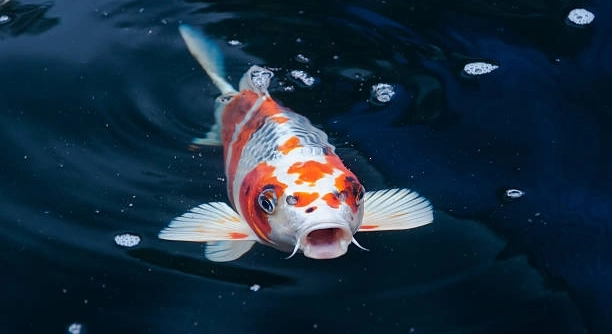
Koi fish are known for their graceful movements and vibrant colors in ponds. Sometimes, they suddenly stop moving and freeze in place. This behavior is a natural part of how they interact with their environment and stay aware of potential dangers.
Koi freeze to assess their surroundings as a survival mechanism. This behavior allows them to detect threats by reducing movement and focusing on external stimuli. Freezing helps koi gather information before deciding to flee or stay calm in their habitat.
Understanding why koi freeze can improve how you care for them and appreciate their unique behaviors in your pond environment. This article explains the common reasons behind these moments of stillness.
Why Do Koi Freeze?
Koi often freeze to stay alert in their environment. When they sense something unusual, they stop moving to gather more information. This helps them detect predators or changes in their surroundings. Freezing reduces movement, making them less noticeable to threats. It is a common defense behavior seen in many fish species. By pausing, koi can carefully evaluate the situation before deciding how to react. This behavior is especially important in outdoor ponds where birds or other animals may pose a risk. Freezing also helps koi conserve energy when conditions are uncertain or when they feel uneasy. Observing this behavior is a sign that koi are actively responding to their environment, rather than being inactive or sick. It shows how sensitive they are to changes around them.
Koi freeze mainly for safety and awareness reasons. It is an instinctive response to stay protected.
Watching koi freeze offers insight into their natural instincts and how they survive in ponds. It encourages owners to create safe environments and minimize sudden disturbances. Recognizing these pauses can deepen appreciation for koi behavior and promote better care. Understanding their need to assess surroundings explains why sudden movements or noises should be kept to a minimum. This also helps koi feel more secure, reducing stress and improving overall health.
Environmental Factors That Trigger Freezing
Temperature changes can cause koi to freeze.
Koi are sensitive to water temperature and other environmental conditions. When water becomes too cold or rapidly changes, koi may freeze to adjust. Cold water slows their metabolism, making movement harder. Sudden shifts can confuse them, prompting stillness as they adapt. Similarly, poor water quality or low oxygen levels can lead to freezing behavior. Koi rely on clean, stable water to stay active and healthy. Changes like heavy rainfall or pond maintenance can also trigger freezing as koi react to disturbances. Seasonal variations affect how often koi freeze, especially during cooler months. Knowing these environmental triggers helps owners maintain ideal pond conditions. This can reduce freezing caused by stress or discomfort. Keeping water parameters stable ensures koi feel safe and behave normally.
Freezing is often linked to environmental stressors.
Taking steps to monitor temperature and water quality helps koi stay comfortable. This reduces freezing episodes caused by avoidable factors. Regular checks and pond care make a big difference in koi wellbeing.
Signs Koi Are Freezing to Assess
Koi freeze by holding still and staring intently at their surroundings. They may slightly tilt their bodies or fins but avoid sudden movements. This stillness is a clear indicator they are carefully observing their environment.
When koi freeze, their body posture becomes rigid yet calm. Their eyes focus on potential threats or changes, allowing them to gather information without drawing attention. This behavior can last from a few seconds to several minutes depending on the situation. Freezing koi often retreat to quieter areas or near cover while staying alert. Unlike illness-related inactivity, freezing is purposeful and accompanied by keen awareness. Watching these subtle signs helps distinguish between normal behavior and stress or sickness. Recognizing freezing allows owners to better respond to koi needs, ensuring their safety and comfort.
This freeze behavior is a natural response, not a sign of distress. It highlights the koi’s ability to adapt quickly and protect themselves in their habitat.
The Role of Predators in Freezing Behavior
Predators are a primary reason koi freeze to assess their surroundings. By staying motionless, koi reduce the chances of being noticed by birds, raccoons, or larger fish. This cautious stillness improves survival odds.
Koi instinctively freeze when detecting predator presence, even if the threat is not visible. Movement attracts attention, so stopping helps them blend into their environment. Freezing also buys time to decide whether to flee or hide. In natural and backyard ponds, predator encounters are common, so this behavior is vital. It demonstrates how koi remain vigilant despite their calm appearance. This ability to freeze and observe is an important defense mechanism. It allows koi to respond appropriately to danger without wasting unnecessary energy. Understanding this can help koi owners design safer ponds with hiding spots and deterrents to reduce stress.
How Koi Use Freezing to Communicate
Koi sometimes freeze to signal caution to other fish nearby. This behavior helps maintain group safety by alerting others of potential danger. Freezing acts as a quiet warning without causing panic.
When one koi freezes, others often follow. This synchronized stillness allows the group to stay aware and prepare for a possible threat. It strengthens social bonds and enhances survival chances in the pond.
Freezing and Feeding Patterns
Koi may freeze before feeding to carefully inspect their environment. This moment of stillness helps them decide if it is safe to approach food. It prevents sudden movements that could attract predators.
Stress-Related Freezing Behavior
Freezing can be a sign of stress in koi. It indicates they are overwhelmed or uncertain about their environment. Stress triggers this cautious behavior as a protective response.
The Impact of Human Activity on Freezing
Sudden noises or movements from people near the pond cause koi to freeze. They respond to disturbances by pausing to assess if there is danger before resuming normal activity.
Why do koi freeze and stop moving suddenly?
Koi freeze as a natural defense mechanism. Stopping movement helps them stay unnoticed by predators. It also allows them to carefully observe their surroundings for any threats. This sudden pause helps koi gather important information before deciding what to do next.
Is freezing behavior normal for koi?
Yes, freezing is a normal and common behavior in koi. It is a way for them to stay alert and safe. Unlike illness-related inactivity, freezing is intentional and temporary. It shows how koi are actively responding to their environment.
How long do koi typically freeze?
The duration varies depending on the situation. Koi may freeze for a few seconds to several minutes. The time depends on the perceived level of risk and how quickly they assess their surroundings. Once they feel safe, they resume normal movement.
Can freezing mean my koi are sick?
Freezing alone does not usually indicate sickness. However, if freezing is combined with other signs like lethargy, loss of appetite, or abnormal swimming, it may be a sign of illness. Monitoring koi for additional symptoms helps differentiate between freezing and health issues.
Do koi freeze only when predators are nearby?
Predators are a common trigger, but not the only one. Environmental changes, stress, or sudden disturbances can also cause koi to freeze. They use freezing as a way to assess any unusual changes in their environment, not just predator presence.
How can I tell if koi are freezing due to stress?
Stress-related freezing often happens when koi are exposed to poor water quality, overcrowding, or frequent loud noises. If freezing occurs alongside erratic swimming or hiding, it likely indicates stress. Improving water conditions and reducing disturbances can help.
Should I intervene when koi freeze?
Generally, it’s best to let koi freeze and assess on their own. Intervening can increase their stress. However, if freezing is prolonged or accompanied by other troubling signs, checking water quality and overall pond health is important.
Can freezing behavior be reduced by changing pond conditions?
Yes. Maintaining stable water temperature, clean water, and providing hiding spots can reduce the frequency of freezing. Minimizing sudden noises and movements near the pond also helps koi feel safer and less likely to freeze.
Do koi freeze differently in outdoor versus indoor ponds?
Freezing behavior is similar in both environments. However, outdoor ponds expose koi to more natural predators and environmental changes, which may increase freezing episodes. Indoor ponds tend to have fewer disturbances, so koi may freeze less often.
Is freezing a sign that koi are intelligent?
Freezing shows koi have strong survival instincts and awareness. It reflects their ability to process information and react appropriately. This cautious behavior highlights their adaptability and responsiveness to their surroundings.
How can I observe freezing without stressing koi?
Watch koi quietly from a distance and avoid sudden movements. Use shaded areas or pond viewing windows to minimize disturbance. Observing during calm times helps koi act naturally and reveals genuine freezing behavior.
Can freezing help koi in social interactions?
Yes, freezing often acts as a warning to other koi. When one freezes, others may follow, signaling potential danger. This coordinated behavior improves group safety and shows how koi communicate non-verbally.
Do koi freeze more during certain seasons?
Freezing tends to increase during colder months. Lower temperatures slow koi metabolism and make movement harder. They freeze more often to conserve energy and stay alert during seasonal changes.
Is it harmful if koi freeze frequently?
Frequent freezing is not harmful if caused by natural reasons like predators or environmental changes. However, if freezing is due to stress or poor conditions, it can affect koi health. Identifying and addressing causes is important to prevent harm.
What should I do if koi freeze and then stop eating?
Loss of appetite combined with freezing could signal stress or illness. Test water quality, check for parasites or injuries, and observe other symptoms. Adjust pond care and consult a specialist if feeding issues persist.
Can koi freeze while feeding?
Yes, koi sometimes freeze before feeding to scan their environment for safety. This cautious approach helps them avoid sudden threats while eating. Once they feel safe, they resume feeding normally.
Are koi freezing and hiding related behaviors?
They can be. Freezing often happens near hiding spots, allowing koi to stay alert while remaining protected. Hiding provides shelter, and freezing helps koi evaluate when it’s safe to come out.
How can I create a pond environment that reduces freezing?
Provide plenty of plants, rocks, and shelter for koi to feel secure. Keep water clean and stable in temperature. Avoid loud noises or sudden movements around the pond. These measures help koi stay calm and reduce freezing.
Does freezing affect koi growth or activity levels?
Freezing itself does not negatively affect growth. It is a temporary pause that helps survival. However, if freezing is frequent due to poor conditions, it could reduce feeding and activity, impacting growth over time.
What are common mistakes that cause unnecessary freezing in koi?
Common mistakes include sudden loud noises, frequent pond disturbances, poor water quality, and overcrowding. These stressors increase freezing and stress. Maintaining a stable, quiet environment is key to reducing unnecessary freezing behavior.
Final thoughts are important when considering koi behavior, especially their tendency to freeze and assess their surroundings. This freezing is a natural and essential survival mechanism. It helps koi stay safe by allowing them to pause and evaluate potential dangers before reacting. Understanding this behavior can improve how we care for koi and maintain their environment. Observing koi freeze is a sign they are alert and actively responding to their pond conditions, not necessarily that they are unhealthy or stressed.
Keeping a pond environment stable and quiet can reduce excessive freezing in koi. Sudden noises, poor water quality, and overcrowding often cause unnecessary stress, making koi freeze more frequently. Providing hiding spots like plants and rocks helps koi feel secure and less prone to freezing out of fear. Regular maintenance and gentle handling also support their well-being. When koi freeze less often, it usually means they feel safer and more comfortable in their surroundings, which leads to healthier and more active fish.
While freezing is a normal part of koi behavior, it is important to watch for other signs of illness or distress. If koi freeze for very long periods or show symptoms like loss of appetite or abnormal swimming, it may indicate a health problem. Regular observation and pond care help detect such issues early. Overall, recognizing freezing as a natural, protective action allows pond owners to better understand koi needs and promote a calm, balanced habitat that supports their long-term health.

Hello,
If you enjoy the content that we create, please consider saying a "Thank You!" by leaving a tip.
Every little bit helps us continue crafting quality advice that supports the health, happiness, and well-being of pets around the world, for pets of all shapes, sizes, and species.
We really appreciate the kindness and support that you show us!