
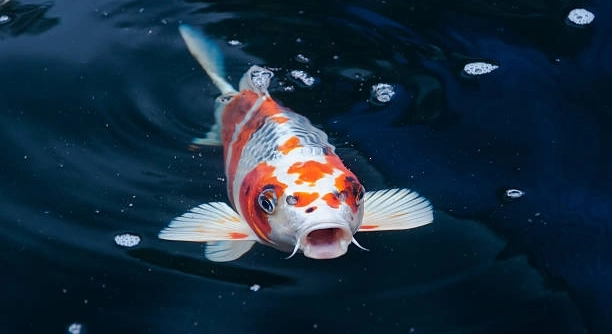
Have you ever found yourself watching your koi and wondering if their breathing means something more than just staying alive? Subtle signs in their breathing can reveal important details about their comfort and overall health.
Unusual breathing patterns in koi often point to issues such as poor water quality, parasites, gill damage, or low oxygen levels. Observing rapid gill movement, gasping at the surface, or one-sided breathing can signal the need for prompt intervention.
Noticing these clues early can help protect your koi from stress and long-term health problems. Let’s look at what each sign might mean.
Gasping at the Surface
When koi gasp at the surface, it’s often a reaction to low oxygen levels in the pond. This behavior usually happens when oxygen is depleted due to high temperatures, poor water circulation, or overcrowding. Warmer water holds less oxygen, and koi need more of it as their metabolism increases in the heat. This issue can be worsened by decaying organic matter or algae blooms consuming oxygen. If your koi are frequently surfacing and opening their mouths wide, it may be time to test your water’s oxygen content and improve aeration using air stones or a waterfall feature.
Surface gasping is usually not random.
Installing a quality aeration system can help prevent this. It’s also helpful to reduce stocking density and clean out any buildup of debris or waste. Monitoring oxygen levels during summer or after storms is important, as oxygen can drop quickly. These changes support a healthier environment for your koi.
Rapid Gill Movement
Fast gill movement often means your koi are struggling. It may indicate water contamination, parasitic infections, or high ammonia levels. In many cases, koi show this sign before any other symptoms, so it’s worth paying close attention.
Check for sudden spikes in ammonia, nitrites, or pH. These changes in water chemistry can irritate the gills, forcing the koi to breathe faster to get enough oxygen. Poor filtration or an overloaded biofilter can contribute to these problems. If the water seems fine, parasites like flukes may be to blame. A microscope exam or skin scrape can confirm this. Treatment might involve water changes, salt baths, or a targeted medication. Fast gill movement is one of the earliest signs something is wrong. Acting quickly gives your koi a better chance of recovery without lasting damage. Regular testing and proper system maintenance can prevent this problem from returning.
One-Sided Gill Movement
One-sided gill movement is usually a sign of irritation or damage affecting just one gill. This may be due to injury, parasites, or infection localized to one side. It’s a subtle clue but worth watching closely.
If a koi consistently breathes from one gill, it may be trying to rest the other due to discomfort. Gill flukes, bacterial infections, or even physical trauma from rough handling can cause this issue. You might also notice the fish favoring one side or appearing less active. Inspect both gills if possible. Clean, symmetrical gills should be pink and free of mucus or damage. If one side looks pale, swollen, or discolored, treatment is needed. Early detection can prevent the issue from spreading or getting worse. Keeping the pond clean and reducing stress helps avoid these problems.
Testing water quality should be your first step. If conditions are normal, parasites are likely involved. Gill flukes are common in koi and can be treated with praziquantel or formalin-based medications. Infections may require antibiotics or salt baths depending on severity. Remove any sharp objects from the pond that may have caused injury. Supporting the koi’s immune system through a high-quality diet and proper conditions can aid recovery and prevent recurrence.
Lethargic Behavior Paired with Breathing Changes
When koi breathe heavily and barely move, it suggests more than just tiredness. These signs together often point to long-term stress or internal illness needing attention beyond basic care.
The combination of shallow movement and labored breathing can result from gill disease, internal parasites, or even organ dysfunction. A koi resting near the bottom with slow gill action may be experiencing reduced oxygen intake or a systemic problem. Check for other clues like faded color, clamped fins, or red streaks on the body. Perform water tests first. Then, consider internal infections or parasites if conditions appear fine. Treatments may include medicated food, dewormers, or increasing water temperature to stimulate immunity. The earlier you catch this pattern, the better the outcome. Always isolate any fish showing multiple warning signs, and observe the rest for changes. Supporting koi with clean water, nutrition, and minimal stress will reduce the risk of recurring illness.
Breathing with Mouth Constantly Open
A koi that keeps its mouth open while breathing may be struggling to pull in enough water to pass over the gills. This could indicate gill obstruction, deformity, or a heavy parasitic load affecting normal breathing function.
In some cases, poor water movement also contributes to this behavior. Weak currents may force koi to work harder just to breathe. Checking your pond’s flow and ensuring strong, consistent circulation can ease the strain on your fish.
Sudden Breathing Spasms
Spasmodic breathing can appear suddenly, often after a water change, chemical exposure, or temperature swing. The koi might jerk or shake while breathing, then return to normal for a while. This often signals irritation, either environmental or parasitic. Observe carefully and avoid using unnecessary additives without testing first.
Hanging Near the Waterfall
When koi cluster near the waterfall, they may be seeking higher oxygen levels. This area usually has better aeration and cooler temperatures, especially in summer. If they rarely leave that spot, it’s a strong sign something is off with the pond’s oxygen or water quality.
How can I tell if my koi’s breathing is normal or a sign of trouble?
Normal koi breathing is smooth and steady with gentle gill movement. The gills should open and close evenly on both sides without signs of rapid or labored breathing. Watching your koi regularly helps you recognize when breathing patterns change. Sudden increases in gill movement, gasping at the surface, or irregular breathing can be signs of stress or illness. Changes in behavior, such as hiding or lethargy combined with breathing issues, should not be ignored. Maintaining good water quality is crucial since poor conditions often cause abnormal breathing.
What causes rapid breathing in koi?
Rapid breathing is often caused by low oxygen levels in the water or poor water quality. Warm water holds less oxygen, so rapid breathing may increase during hot weather. Ammonia or nitrite spikes can irritate gills and make breathing difficult. Parasites or bacterial infections may also trigger fast gill movement. Testing water parameters regularly and maintaining good filtration help prevent this problem. If parasites are suspected, treatments like salt baths or medications may be necessary.
Why does my koi gasp at the surface?
Gasping at the surface usually indicates oxygen deficiency in the pond. This behavior is common when pond oxygen levels drop, often due to high temperatures, overstocking, or excessive organic waste. Surface agitation, waterfalls, or aerators improve oxygen exchange. If koi are consistently gasping, test the water for dissolved oxygen and other parameters. Increasing aeration or reducing fish density can help improve breathing comfort.
What should I do if my koi shows one-sided gill movement?
One-sided gill movement suggests localized irritation or damage, possibly from parasites, injury, or infection. Inspect both gills for signs of redness, swelling, or abnormal mucus. Improving water quality is essential, and if parasites are suspected, specific treatments such as praziquantel or formalin baths can help. Avoid sharp objects in the pond that might injure gills and keep the environment stress-free.
Can poor water quality affect koi breathing?
Yes, poor water quality directly impacts koi breathing. High ammonia, nitrite, or nitrate levels can damage gill tissues, reducing oxygen absorption. Imbalanced pH or sudden chemical changes stress koi and cause abnormal breathing. Regular water testing and maintenance are essential to keep parameters within safe limits. Promptly addressing water issues prevents breathing difficulties and other health problems.
How do parasites affect koi breathing?
Gill parasites attach to gill tissue and interfere with oxygen uptake. This causes the koi to breathe rapidly or gasp for air. Parasites can also cause inflammation, swelling, and damage to the gills. Treatments vary depending on the parasite type but often include medicated baths or specific chemicals. Early detection through observation of breathing patterns is crucial for effective treatment.
Is it normal for koi to hang near waterfalls or aeration points?
It is common for koi to spend time near waterfalls or aeration points because these areas have higher oxygen levels. However, if koi rarely leave these spots, it may indicate insufficient oxygen elsewhere in the pond. Consistent presence at aeration sites often signals the need to improve overall pond oxygenation or water quality.
What role does temperature play in koi breathing?
Water temperature greatly influences oxygen availability and koi metabolism. Warm water holds less oxygen, forcing koi to breathe faster. High temperatures can also increase koi metabolism, raising their oxygen demand. Managing temperature through shading or deeper pond areas helps maintain stable oxygen levels and reduces stress on koi.
Can stress affect koi breathing?
Stress from overcrowding, sudden water changes, or handling can cause abnormal breathing in koi. Stress weakens the immune system, making fish more vulnerable to infections and parasites that impact breathing. Minimizing stress by maintaining stable water conditions and avoiding overcrowding supports healthy breathing.
When should I consult a vet for koi breathing problems?
If koi show persistent rapid breathing, gasping, or lethargy despite good water quality and basic treatment, consulting a vet is advisable. A veterinarian can diagnose infections, parasites, or internal illnesses that are not obvious through observation alone. Early professional intervention increases the chances of successful treatment and recovery.
Final thoughts are important when caring for koi and watching their breathing. Breathing is one of the clearest signs of how healthy a koi is. Changes in breathing patterns often appear before other symptoms, making them a valuable early warning. It is essential to observe your koi regularly and understand what normal breathing looks like for each fish. Noticing small changes, like faster gill movement or mouth breathing, can help you act quickly and prevent more serious problems.
Keeping the pond environment clean and well-maintained supports healthy breathing. Good water quality is key to preventing many issues that affect koi gills. Ammonia, nitrites, and other harmful chemicals can build up if the pond is not filtered or cleaned properly. Temperature also plays a role because warmer water holds less oxygen. Aeration devices and water movement improve oxygen levels and help koi breathe easily. Providing a balanced diet and avoiding overcrowding also reduces stress, which keeps koi healthier and less prone to breathing problems.
If you see signs like gasping, one-sided gill movement, or unusual swimming near waterfalls, it is important to test the water and check for parasites or infections. Some breathing problems need treatment with medication or salt baths. Others can improve by fixing water quality or adding aeration. When in doubt, seek advice from a professional who understands koi health. Watching your koi’s breathing closely will help you keep them healthy and happy for years to come.

Hello,
If you enjoy the content that we create, please consider saying a "Thank You!" by leaving a tip.
Every little bit helps us continue crafting quality advice that supports the health, happiness, and well-being of pets around the world, for pets of all shapes, sizes, and species.
We really appreciate the kindness and support that you show us!