
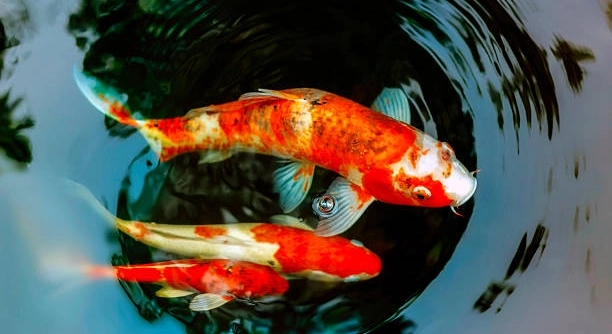
Koi fish are fascinating creatures that show changes as they grow older. Watching these changes can help koi keepers understand their fish better. Maturing koi develop new habits that are easy to notice over time.
As koi mature, they display distinct behaviors such as increased territoriality, changes in feeding patterns, more frequent interactions with other koi, and enhanced swimming strength. These behaviors indicate their physical and social development as they approach adulthood.
Recognizing these signs can improve how you care for your koi. Learning about their new behaviors ensures they stay healthy and happy as they grow.
Increased Territorial Behavior
As koi grow, they begin to show stronger territorial instincts. This means they may spend more time defending a specific area in the pond. You might notice them chasing away other koi or fish that come too close. This behavior helps them secure their space for feeding and resting. Territoriality often increases as koi become more confident and mature. It’s a natural part of their development and signals they are establishing social order. Sometimes, you might see koi circling or nudging each other, which is part of this behavior. While it can seem aggressive, it usually doesn’t lead to serious harm. Maintaining enough space in your pond is important to reduce stress caused by these territorial displays. By understanding this change, you can better manage their environment to keep them comfortable and safe.
Territorial behavior shows koi are settling into adult roles within their group. They start marking their place clearly.
Being aware of territorial shifts helps you organize your pond space properly. Adding hiding spots or dividing areas can reduce conflicts and keep your koi calm and healthy as they mature.
Changes in Feeding Patterns
As koi mature, their feeding habits tend to change noticeably. Younger koi usually eat quickly and with less caution, but mature koi become more deliberate about when and how they eat. This can mean eating fewer meals per day but consuming more at once. Their metabolism slows, so they don’t need constant feeding like before. Mature koi might also be pickier, preferring specific types of food or feeding spots. Sometimes, they may even compete for the best feeding areas due to their territorial nature. Adjusting feeding schedules and types of food offered can help meet their new nutritional needs. Observing these changes allows you to avoid overfeeding or underfeeding, which is important for their health. Feeding mature koi with balanced nutrition supports their immune system and helps maintain their vibrant colors and energy levels.
Stronger Social Interactions
Mature koi tend to interact more with each other. They form clearer social hierarchies and communicate through body language and swimming patterns.
These social behaviors include following dominant koi, swimming in groups, and occasional displays of dominance. They often nudge or gently bump each other to establish boundaries or reinforce their rank. This social structure helps reduce constant fighting and promotes a stable pond environment. Mature koi also show more curiosity about their surroundings and may engage in synchronized swimming or playful chasing. These interactions indicate mental growth and increased awareness of their environment. Observing these behaviors can be rewarding and gives clues about their well-being and social balance.
Understanding these social dynamics helps create a peaceful pond. Providing enough space and hiding spots allows koi to express these behaviors naturally, reducing stress and promoting harmony.
Increased Rest Periods
Mature koi spend more time resting compared to younger fish. Their activity levels decrease, and they seek quiet spots in the pond to relax.
This increase in rest helps conserve energy as koi grow older. Resting periods often happen during the hottest parts of the day or after feeding. Mature koi find sheltered areas under plants, rocks, or pond edges to feel safe while resting. These quieter moments are important for their overall health and recovery. While resting, koi may appear less active but are simply taking time to maintain their strength. This behavior shows their ability to manage energy better, which is common as animals mature. Recognizing their need for rest helps you provide a calm environment with plenty of shaded or covered spaces.
Supporting rest periods improves koi longevity. Calm water and minimal disturbances encourage these natural breaks, helping mature koi stay healthy and stress-free.
Changes in Swimming Patterns
Mature koi swim more deliberately and with greater control. Their movements become smoother and less erratic as they gain strength and confidence.
They often explore different areas of the pond and swim at varied depths, showing more purposeful behavior. This reflects their growing awareness and physical development.
Development of Breeding Behavior
When koi begin to mature, breeding instincts become noticeable. Males may chase females or display rubbing behavior on their bodies. These actions signal readiness for spawning and are part of their natural reproductive cycle.
Increased Independence
Mature koi become more independent in their behavior. They rely less on the group and often explore the pond on their own, showing confidence in their environment.
What are the first signs that koi are maturing?
The first signs usually include changes in size, color, and behavior. Mature koi grow larger and develop more vivid colors. Behaviorally, they begin showing territorial tendencies, slower and more deliberate swimming, and changes in feeding habits. These early shifts signal that your koi are moving from juvenile stages to adulthood.
How does koi feeding change as they grow?
Mature koi eat less frequently but tend to consume larger meals. Their metabolism slows down, so they don’t need constant feeding like younger koi. They might also become more selective about food types and feeding spots. Adjusting feeding schedules and offering balanced nutrition is important to meet these evolving needs.
Why do mature koi show more territorial behavior?
As koi grow, they naturally establish territories to secure food and resting areas. This behavior helps reduce competition and creates a social structure within the pond. Territorial displays often include chasing or nudging other fish. Providing enough space and hiding spots can ease tension caused by this instinct.
What changes occur in koi social interactions during maturity?
Mature koi develop clearer social hierarchies and communicate more through body language and swimming patterns. They might swim in groups, follow dominant fish, or gently push others to maintain rank. These behaviors promote stability and reduce fighting within the pond environment.
Do mature koi need different care than young koi?
Yes. Mature koi require less frequent feeding and more space to accommodate territorial behaviors. They also benefit from a calm environment with plenty of shaded areas for resting. Monitoring their health closely during this stage helps catch any issues early and supports their longevity.
How can I tell if my koi are ready to breed?
Breeding readiness is indicated by males chasing females and rubbing their bodies against them. These behaviors are signs of spawning preparation. You might notice increased activity and chasing during the breeding season, which is typical for mature koi.
Why do mature koi rest more than younger ones?
As koi age, they need more rest to conserve energy. Resting during warmer parts of the day or after feeding helps them recover and maintain strength. Providing quiet, sheltered spots in the pond supports this natural resting behavior and keeps koi healthy.
What should I do if koi fighting increases?
Increased fighting often relates to territorial disputes, especially in crowded ponds. To reduce aggression, ensure there is enough space and add hiding places like plants or rocks. Separating particularly aggressive individuals can also help maintain peace in the pond.
How do swimming patterns change as koi mature?
Mature koi swim more smoothly and confidently. Their movements are less erratic and more purposeful, exploring different pond areas and depths. This change reflects their physical strength and growing comfort in their environment.
Can mature koi become less social?
Mature koi can become more independent, spending time alone or exploring without the group. This shows confidence rather than loneliness. Providing a varied environment with open spaces and hiding spots supports this balance between socializing and independence.
As koi mature, they show many changes in how they behave and interact with their surroundings. These changes include new ways of swimming, eating, and relating to other koi. Understanding these signs helps koi keepers care for their fish better. Mature koi need different care than young koi, so noticing these behaviors is important. It also allows owners to create an environment that supports the koi’s natural habits. A healthy pond with enough space, hiding places, and proper feeding can help koi live longer and happier lives.
Watching koi grow and mature can be rewarding. Seeing their colors deepen, their movements become smoother, and their social behaviors develop makes caring for them more interesting. Mature koi become more confident and show clearer personalities. They start to take control of their place in the pond through territorial behavior and social interactions. This is all part of their natural development. When koi are comfortable and well cared for, their behavior reflects good health and well-being. Paying attention to their changes helps spot any health issues early, which is key to keeping them safe.
Caring for mature koi means adjusting your routine. Feeding less often but giving the right kind of food helps maintain their health. Providing a calm pond environment with shaded areas supports their increased need for rest. Giving them enough room to establish territories reduces stress and fighting. Observing and learning about these new behaviors will improve how you care for your koi. It strengthens the bond between you and your fish, making the experience more enjoyable for both. Taking time to understand mature koi ensures they thrive as they grow older.

Hello,
If you enjoy the content that we create, please consider saying a "Thank You!" by leaving a tip.
Every little bit helps us continue crafting quality advice that supports the health, happiness, and well-being of pets around the world, for pets of all shapes, sizes, and species.
We really appreciate the kindness and support that you show us!