
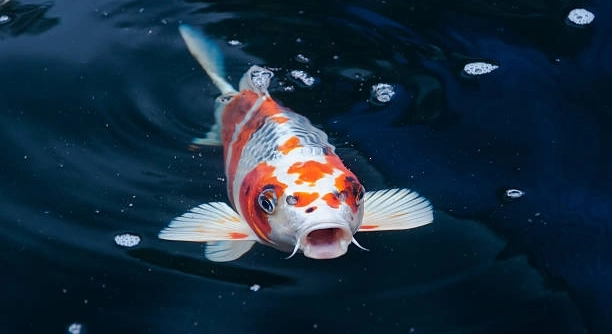
Koi fish are known for their graceful movements and calm presence in ponds. When their environment changes, they often react in subtle ways. Recognizing these signs can help pond owners understand their koi better.
Koi investigating a pond change exhibit distinct behaviors such as increased swimming activity, frequent surface visits, and unusual curiosity around new objects or altered water conditions. These actions indicate their awareness and adjustment to environmental shifts.
Observing these behaviors early helps maintain a healthy pond environment and supports the wellbeing of your koi fish.
Increased Swimming Activity
When koi sense changes in their pond, they often swim more than usual. This increased movement helps them explore their new environment. They may circle the pond or swim near the surface, trying to understand what has changed. Sometimes, koi will swim quickly from one spot to another, which shows they are alert and cautious. This behavior is a natural response to new surroundings and helps them adjust. As a pond owner, noticing this activity early can be a sign your koi are investigating the change. It also means the fish are actively looking for comfort and familiar conditions. Ensuring water quality and stable conditions during this time is important. Sudden changes in temperature or water chemistry can stress koi further. Keeping the environment steady allows the fish to settle faster. Watching these swimming patterns closely will help you know when your koi are adapting well or if they need extra care.
Koi swim more to explore and adapt to new pond conditions. This behavior is a sign they are assessing their environment carefully.
Noticing when koi increase their swimming activity helps you respond quickly to their needs. It’s a good idea to check water quality and keep feeding routines consistent. Changes can be stressful, but with the right care, koi will feel safe again. Observing their swimming can guide you in maintaining a healthy pond atmosphere.
Frequent Surface Visits
Koi often visit the pond’s surface more frequently when changes occur. This behavior may mean they are checking the water’s temperature or oxygen levels. Surface visits allow them to breathe easier if oxygen is low, especially after alterations in the pond. You might see koi gathering near filters or inflow points where water moves more actively. This spot can provide better oxygenation. Surface visits can also indicate curiosity as koi inspect floating debris or new plants. It is important to monitor these visits because frequent surfacing might also suggest water problems like low oxygen or poor filtration. Testing water parameters regularly during pond changes ensures koi remain healthy. Proper aeration and filtration reduce stress. Adjustments to pond equipment during this time can help maintain stable conditions, supporting your koi’s comfort and reducing frequent surface visits over time.
Frequent surface visits help koi check water quality and oxygen levels, important after pond changes.
Surface visits serve as an early indicator of water condition issues. They reveal how koi respond to environmental shifts, guiding pond management decisions to ensure fish wellbeing.
Curiosity Toward New Objects
Koi are naturally curious and will investigate anything new in their pond. Adding decorations, plants, or even changing the layout often draws their attention. They may swim slowly around new objects, sometimes nudging or circling them. This behavior helps koi understand if the object is a threat or something harmless. Sometimes, koi rest near new plants or stones, using them as hiding spots or just exploring their texture. This curiosity is a positive sign that koi feel safe enough to explore. However, new items should be safe and non-toxic to avoid harm. Observing koi curiosity also allows pond owners to spot any signs of discomfort or stress. If koi avoid new objects entirely or act agitated, it may indicate the change is too sudden or unsuitable. Gradual introduction of new features can help koi adjust comfortably without stress. Keeping changes slow and safe encourages this curious behavior while protecting fish health.
Changes in Feeding Behavior
Koi often change how they eat when their pond environment shifts. They may eat less or more cautiously as they adjust.
When koi feel unsure about their surroundings, they sometimes lose appetite or nibble slowly. This cautious eating helps them stay alert to any new threats. At times, koi might compete more aggressively for food if they feel stressed. It’s important to maintain a regular feeding schedule and avoid overfeeding. Providing high-quality food helps koi stay healthy during pond changes. Watching their feeding patterns closely can reveal how well they are adapting. If koi stop eating for more than a day, checking water quality and health is necessary. Small changes in diet or feeding times can also help koi feel more comfortable and secure.
Adjusting feeding habits are a clear sign koi are responding to changes. Feeding less or more carefully can show stress or caution during transition. Being patient and consistent with feeding helps koi settle. Offering favorite foods and avoiding sudden diet shifts support their recovery. Feeding behavior is a good way to monitor koi wellbeing through pond changes.
Increased Hiding Behavior
Koi may hide more often when a pond undergoes changes. Hiding helps them feel safe from unfamiliar disturbances or threats.
This behavior is common when koi feel insecure. They seek shelter under plants, rocks, or decorations to avoid stress. Hiding also helps them regulate body temperature or avoid bright light if conditions have changed. Excessive hiding, however, might signal poor water quality or illness. Regular checks of water parameters and observation of koi health are vital during these times. Providing plenty of hiding spots helps koi feel secure. Gradually introducing pond changes rather than sudden ones reduces stress and hiding behavior. Monitoring hiding tendencies can help identify if koi are adapting well or if further intervention is needed. Safe, calm environments encourage koi to come out more quickly, maintaining their natural behavior and wellbeing.
Changes in Color and Appearance
Koi may show slight changes in color after a pond change. This can be due to stress or water quality differences.
Color shifts often occur when koi adjust to new environments. Stress can cause duller or faded colors. If water parameters like pH or temperature vary, koi pigments may temporarily change. It is important to maintain stable water conditions to prevent lasting color loss. Monitoring color alongside behavior helps detect any health issues early. Bright, vibrant colors usually return once koi settle and water quality improves.
Altered Social Behavior
Koi sometimes change how they interact with each other after a pond change. They may become more aggressive or withdrawn as they adapt.
Reduced Activity Levels
Koi may show lower activity levels when adjusting to a new pond setup. This can be a sign they are conserving energy while acclimating.
FAQ
Why do koi swim more when the pond changes?
Koi swim more after a pond change because they are exploring their environment. Swimming actively helps them check for new conditions, such as changes in water temperature, flow, or objects. This behavior shows they are alert and trying to understand their surroundings.
How long does it take for koi to adjust to a new pond?
The adjustment period varies but usually takes a few days to a couple of weeks. During this time, koi become familiar with water conditions and any new features. Stable water quality and minimal stress help speed up the process.
What should I do if my koi stop eating after a pond change?
If koi stop eating, first check water quality. Poor water conditions often cause loss of appetite. Keep feeding small amounts of high-quality food and avoid overfeeding. If appetite doesn’t return in a few days, consider consulting a fish health expert.
Is it normal for koi to hide more after a pond change?
Yes, hiding more is a normal response to feeling insecure. Koi use hiding spots to protect themselves and reduce stress. Providing plants or decorations for shelter helps koi feel safe during adjustments.
Can pond water changes affect koi color?
Yes, changes in water quality or temperature can cause koi colors to fade temporarily. Stress may also affect pigment. Maintaining stable, clean water usually helps koi regain their vibrant colors.
How do I know if koi are stressed from a pond change?
Signs of stress include erratic swimming, loss of appetite, hiding, color fading, and reduced activity. Regular water testing and observing behavior closely help detect stress early.
Should I change feeding routines when my koi’s pond changes?
It’s best to keep feeding routines consistent. Sudden changes in feeding time or type can add stress. Offer small, regular meals and use familiar food to encourage koi to eat during transitions.
What role does oxygen play when koi investigate a pond change?
Oxygen levels can fluctuate after changes. Koi may surface more to breathe if oxygen is low. Ensuring good aeration with pumps or waterfalls helps maintain healthy oxygen levels and reduces stress.
Are koi curious about new plants or decorations?
Yes, koi are naturally curious and will explore new objects in their pond. This curiosity helps them assess safety and adjust to changes. Make sure new additions are safe and non-toxic.
When should I worry about koi behavior after a pond change?
If unusual behaviors persist beyond two weeks, or koi show signs of illness like sores, lethargy, or constant hiding, it’s time to seek advice from a professional. Early intervention improves recovery chances.
When koi experience changes in their pond, they often respond in ways that show they are adjusting to their new environment. Paying attention to their behavior is important because it helps you understand how they feel and whether they are healthy. Koi may swim more, hide often, or change how they eat, all of which are signs they are investigating the changes around them. These behaviors are natural and expected when something new happens in their home. By noticing these signs early, you can make sure their pond stays a safe and comfortable place.
Maintaining stable water conditions is key during any pond change. Koi are sensitive to water quality, temperature, and oxygen levels, so sudden shifts can cause stress. Keeping the water clean and well-aerated supports their wellbeing. Also, introducing new decorations or plants slowly can help koi adjust without feeling overwhelmed. Regular testing of water parameters is a good habit that will prevent many problems before they start. When koi feel secure and their environment stays steady, their natural colors and behaviors return, showing they have settled in well.
Overall, caring for koi during pond changes means being patient and observant. Watch how they swim, eat, and interact with their surroundings. Responding to their needs with gentle adjustments keeps them healthy and happy. Small changes in feeding habits, providing hiding spots, and avoiding sudden shifts in water conditions all make a difference. Understanding these signs not only helps koi adapt but also strengthens the connection between you and your fish. Keeping your pond balanced and your koi comfortable creates a peaceful, thriving aquatic home.

Hello,
If you enjoy the content that we create, please consider saying a "Thank You!" by leaving a tip.
Every little bit helps us continue crafting quality advice that supports the health, happiness, and well-being of pets around the world, for pets of all shapes, sizes, and species.
We really appreciate the kindness and support that you show us!