
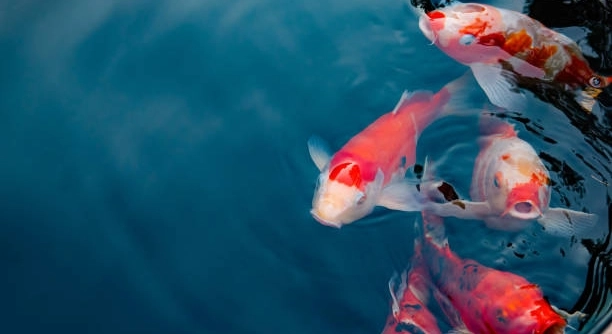
Have you ever found yourself watching your koi closely after a big move, wondering if they’re starting to feel at home again?
Koi often show signs of settling after transport through calm swimming patterns, regular feeding behavior, and reduced hiding. These indicators reflect a return to normalcy and suggest that the fish are adapting well to their new environment.
Recognizing these small changes can make caring for your koi easier and help prevent future stress-related issues.
Calm and Steady Swimming
When koi are adjusting well after transport, one of the first signs you’ll notice is calm and steady swimming. They won’t dart around frantically or press against the tank walls. Instead, their movements become smooth and slow, as if they’re gently exploring the water. They may swim in small groups, drifting around without signs of distress. It’s a good indication that their stress levels are coming down. Koi are sensitive to change, and erratic swimming is common right after a move. But once they start to feel safe, their behavior changes. They return to a more natural rhythm, and you’ll see them gliding gracefully. It’s important not to rush them—let them settle at their own pace. Adding extra hiding places or reducing bright light can help speed up the process. If they remain calm for several days, it’s a strong sign that things are on the right track.
This type of behavior shows that your koi feel less threatened and are becoming familiar with their new surroundings.
You’ll want to keep the environment peaceful, with minimal movement around their tank or pond. Koi respond well to quiet surroundings, especially right after being transported. Any loud noise or sudden disruption can slow their adjustment.
Interest in Food Returns
When koi begin showing interest in food again, it’s a positive sign they’re settling. They may not eat much at first, but even light feeding is a good signal.
After transport, koi often lose their appetite due to stress and unfamiliar surroundings. It’s normal for them to ignore food for a day or two. But once they begin swimming up during feeding times or nibbling at flakes or pellets, you can relax a little. Always offer small amounts at first. Avoid overfeeding, especially when they’re still adjusting. Look for signs like them coming to the surface or waiting near the feeding spot. That means their appetite is returning and they feel more secure. Feed them high-quality food and avoid any sudden changes in diet. If multiple koi are eating together without pushing each other away, that’s an added bonus. It’s a sign of social comfort, and it often happens once they’ve had time to adapt to their new space. Watching them eat with ease is always a comforting moment.
Skin and Color Look Normal
Healthy skin and color are good signs that koi are settling in. Right after transport, they may look pale or blotchy, but this should improve as they adjust. Smooth, vibrant skin shows they’re not under stress anymore.
Once koi begin feeling secure, their colors usually become more vivid. Reds deepen, whites brighten, and their scales look smooth and even. Any previous dullness should fade within a few days. If you notice small spots or redness near the fins, it could mean they’re still stressed or dealing with poor water quality. Clean water and steady temperatures help their skin recover. Avoid handling them during this time, as that can cause more damage. Let them regain their glow naturally. Healthy skin is also less prone to infection, so it’s a helpful sign of overall well-being. If things are stable, their skin condition will continue to improve gradually.
Their skin should not have any cloudy patches or white fuzz. These may point to a fungal issue or stress reaction. As koi settle, their immune systems become stronger, which helps them resist minor infections. You may notice fewer scrapes as they stop bumping into things. Good filtration and a calm environment help this process along. Watch for smooth, clean skin and full-color returns over several days. These small details show that your koi are bouncing back well from the stress of the move. Color returning on its own is one of the simplest signs of recovery.
More Interaction with Each Other
Koi tend to isolate or hide right after being moved. But as they feel more at ease, they become more active with other koi. You’ll see them swimming in loose groups or resting together calmly.
Social interaction is a sign of comfort in koi behavior. They are naturally social and prefer to be near others when relaxed. When settling well, they’ll stop chasing or avoiding one another. Instead, they might swim side by side or hover together in still areas of the pond or tank. You might also catch them gently brushing past each other without panic. These are normal social signals in koi. Aggression or bullying usually fades as stress decreases. If they spread out evenly and aren’t hiding behind objects, that’s another positive sign. Keeping group dynamics calm means your koi are finding balance. Watch closely in the first few days to spot these subtle changes. They tell you a lot about how your koi are adjusting.
Resting in Open Areas
When koi begin resting in open areas instead of hiding, it shows they feel less threatened. Right after transport, they often stay tucked away. Seeing them calmly resting in plain view is a good sign of growing comfort.
They may settle near the bottom or mid-levels, gently hovering without darting. This behavior shows they’re adjusting well and not reacting to every sound or movement. It also suggests they’re no longer on high alert, which usually follows stressful events like transport.
Regular Gill Movement
Watch their gills—steady, smooth movement means they’re breathing well. After a move, rapid gill movement often points to stress or low oxygen. As things settle, their breathing evens out. Their gills should move slowly and rhythmically, without signs of labored effort. This means the water conditions are stable and your koi are starting to relax.
No Rubbing or Flashing
If your koi stop rubbing against surfaces or flashing, it shows irritation has reduced. This behavior is common after transport but should go away once they feel settled and the water parameters are balanced.
FAQ
How long does it take koi to settle after transport?
Most koi begin to settle within 24 to 72 hours. Some may take a little longer, especially if the move was long or the water parameters are slightly different from what they’re used to. Watch for signs like calm swimming, eating, and no rubbing. Each fish is different, but the key is to keep the environment consistent and low-stress. Avoid sudden changes in lighting, noise, or water quality. If you notice signs of stress beyond a week—like clamped fins, flashing, or hiding constantly—check the water conditions or consider a vet visit if needed.
Should I feed koi right after transport?
It’s best to wait at least 24 hours before offering food. Koi often won’t eat right away due to stress. Give them time to adjust and monitor their behavior first. When they begin swimming calmly and seem curious, try a small amount of food. Start with easy-to-digest options like wheat germ or small pellets. Remove uneaten food quickly to keep the water clean. If they don’t eat, try again the next day. Don’t force feeding—they’ll eat when they’re ready. Patience is important, especially after a stressful change.
What water parameters help koi recover faster?
Stable water conditions are the most important factor. Keep the temperature steady, ideally between 65–75°F. The pH should stay around 7.0–8.0, and ammonia and nitrite levels must be at zero. Use a test kit daily during the first week after transport. Perform small water changes if needed, but don’t overdo it. Sudden shifts in temperature or chemistry can slow their recovery. Also, ensure there’s enough oxygen by running an air stone or waterfall. Clean water, steady temperature, and oxygen help koi feel safe and return to normal behaviors faster.
Is it normal for koi to hide a lot after being moved?
Yes, it’s very common. Koi often hide behind plants, rocks, or pond walls after being moved. They do this to feel safe while they get used to new surroundings. As they settle, they’ll start coming out more often, especially during feeding times. If hiding continues for more than a few days, check water quality and reduce any loud noises or sudden movements around their space. Some koi are naturally more shy, but most will grow bolder once they feel secure.
What’s the best way to reduce stress during transport?
Use clean bags with plenty of oxygen and place them in a dark container or box. Darkness helps reduce stress and keeps them calmer. Don’t feed your koi for 24 hours before the move to avoid waste in the water. Keep the temperature stable by avoiding drafts or direct sunlight. Once you arrive, float the bag in the new tank or pond for 15–20 minutes to match temperatures before releasing them. If possible, slowly add small amounts of the new water into the bag over time before letting them out.
What if one koi isn’t settling but the others are?
This can happen, especially if that koi is more sensitive or was more affected by the transport. Give it more time and watch for any changes. Make sure it’s not being chased or bullied by others. Check for signs of illness—clamped fins, red patches, or labored breathing. You might need to isolate the koi temporarily in a floating basket or smaller tank where it can feel safe. Often, just being away from active tankmates can help a stressed fish recover quicker.
How do I know if they’re fully adjusted?
Once koi are swimming calmly, eating regularly, interacting with each other, and showing bright skin and smooth gill movement, they’re likely fully adjusted. They’ll come to the surface during feeding, explore the space comfortably, and rest in the open without fear. You’ll also notice their color improving and a lack of odd behaviors like rubbing or darting. They should appear relaxed and active without any signs of panic or distress. Keep monitoring their behavior daily for the first week to make sure everything stays on track.
Final Thoughts
Watching your koi settle after transport can feel slow at times, but it’s an important part of caring for them properly. Every koi reacts differently. Some bounce back within a day, while others need more time. What matters most is giving them a calm, steady environment where they can feel safe. Avoid sudden changes in temperature, light, or noise. Make sure the water stays clean and well-oxygenated. These basic steps support their health and help reduce stress. If your koi are swimming calmly, eating, and staying out in the open, those are strong signs they are settling well.
Keep an eye on their behavior for at least a week after the move. Small signs like smoother gill movement, better color, or resting near others may not seem important at first—but they show your koi are adjusting. If one fish is slower to adapt, that’s normal too. Just make sure they aren’t being picked on or showing signs of illness. Sometimes they just need more time. Try not to interfere too much unless something looks wrong. Letting koi settle at their own pace often works best. Be patient, and use that time to monitor water conditions closely.
Once your koi are settled, you’ll notice how much more relaxed they look. Their colors will brighten, they’ll move with ease, and they’ll become more curious during feeding. These small moments are rewarding to watch and show that your effort has paid off. After transport, koi need care, but they also need space to adjust. With simple routines, a peaceful setting, and clean water, they’ll be back to normal before long. Remember, stress can affect their health, so checking on them daily during the first week helps prevent small issues from turning into bigger problems. In time, they’ll begin acting like themselves again, and you’ll know they’re feeling at home.

Hello,
If you enjoy the content that we create, please consider saying a "Thank You!" by leaving a tip.
Every little bit helps us continue crafting quality advice that supports the health, happiness, and well-being of pets around the world, for pets of all shapes, sizes, and species.
We really appreciate the kindness and support that you show us!