
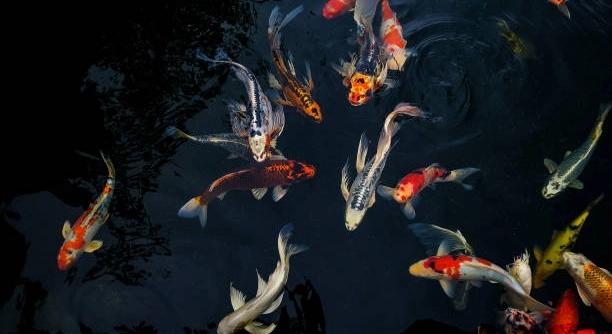
Have you ever noticed koi quietly observing other animals in your pond? Many koi owners find this behavior intriguing and wonder what it means. These fish often show unexpected awareness of their surroundings.
Koi watch other animals as part of their natural curiosity and environmental awareness. This behavior helps them stay alert to potential threats or changes in their habitat. Watching also reflects their social nature and interaction with other creatures.
These signs reveal much about koi behavior and their place in the ecosystem. Observing them closely can deepen your appreciation for these graceful fish.
How Koi React When Other Animals Approach
Koi are very aware of their environment, and they often react when other animals come near. This reaction can be sudden or slow, depending on the koi’s personality and past experiences. When birds, frogs, or even other fish come close, koi may stop what they are doing and watch carefully. Their movement may slow down, and their bodies may tense slightly as they focus on the newcomer. Sometimes, koi swim closer to investigate, while other times they keep their distance. This behavior shows that koi are cautious and alert, which helps them avoid danger in their natural habitat.
Koi observing other animals helps them stay safe and understand changes in their surroundings.
This reaction can also be a sign of curiosity. Koi are intelligent fish that notice when something new enters their space. Watching other animals might give them clues about food sources or threats. It’s part of how they communicate with their environment and stay connected to what’s happening around them. Paying attention to these signs can tell you a lot about your koi’s mood and health.
Recognizing the Signs That Koi Are Watching
When koi are watching other animals, you might notice their eyes fixed and their bodies still. They may stop swimming and hover near the surface or by the pond’s edge. Their fins might twitch or move slightly, signaling alertness. Some koi may even follow the animal’s movements, slowly turning their heads or adjusting their position in the water. These behaviors are subtle but clear if you watch closely.
These watching signs can indicate curiosity, caution, or even recognition of familiar animals.
Understanding these signs helps you know when your koi feel comfortable or threatened. For example, koi watching birds flying overhead might be assessing if the bird is a threat. Watching frogs or turtles might mean they are curious about other pond inhabitants. Noticing this behavior lets you see the pond’s activity from your koi’s perspective, deepening the connection you have with these gentle fish. It also helps ensure your koi’s environment remains peaceful and safe. Recognizing these small details can improve how you care for your pond and its lively residents.
Why Koi Focus on Movement
Koi are naturally drawn to movement in their environment. This instinct helps them detect possible food or danger. When other animals move near the pond, koi watch carefully to decide how to respond.
Movement signals important information to koi. Quick or sudden motion might mean a predator is nearby, so koi become alert and ready to react. Slow, gentle movement could suggest a harmless presence, like a bird or frog, allowing koi to relax or investigate. This sensitivity to motion is part of how koi interpret their surroundings and protect themselves. It also shows their curiosity and intelligence, as they learn from what they observe.
This focus on movement helps koi stay safe and understand changes around them. It also shows their social nature, as they watch to interact with other creatures in their pond community. This behavior can be quite fascinating to observe over time.
Koi’s Body Language When Observing
Koi communicate their attention through body language. When watching other animals, they often position themselves where they have a clear view. Their fins may spread slightly to keep balance and prepare for quick movement if needed.
Their swimming may slow or stop, and they often face the source of interest directly. Sometimes their mouths open and close gently, which can indicate curiosity or anticipation. The tail might sway softly, showing relaxed focus rather than alarm. These signs help you understand how koi feel about what they see.
Observing koi body language gives insight into their mood and health. Calm, steady movements paired with focused watching usually mean koi feel safe but alert. If koi dart away or hide, they may feel threatened. Paying attention to these signals helps you create a peaceful pond environment where koi can thrive.
Koi React Differently to Various Animals
Koi respond differently depending on the type of animal nearby. They may watch birds quietly but become more alert around frogs or turtles.
Their reaction often depends on how familiar or threatening the animal seems.
How Koi Recognize Familiar Animals
Koi can remember animals they have seen before. Familiar creatures often cause less stress and more curiosity. Repeated exposure helps koi learn which animals are safe and which to avoid, making their watching behavior more relaxed over time.
The Role of Environment in Koi Watching
The pond’s surroundings influence how often koi watch other animals. A busy environment with many animals will keep koi alert more often.
Koi in quiet ponds might watch less but still respond quickly when something new appears.
How can I tell if my koi are really watching other animals or just swimming around?
Koi often slow down or stop swimming when they focus on other animals. Their eyes lock onto the movement, and their bodies stay still or move very gently. You might notice them facing the animal directly, with fins slightly spread for balance. If they seem relaxed but attentive, they are likely watching rather than just swimming. This behavior is different from normal, active swimming where koi move around quickly and without focus. Paying attention to their stillness and gaze helps you understand when they are observing something specific in their environment.
Do koi get stressed when they watch predators like birds or raccoons?
Yes, koi can become stressed when they spot potential predators. Watching a bird flying overhead or a raccoon near the pond triggers their alertness and caution. They may freeze, hide under plants, or swim away quickly to avoid danger. This stress response is natural and helps them survive in the wild. However, constant stress is not good for their health, so it’s important to provide hiding spots and cover in the pond. This way, koi feel safer and can calm down after spotting threats.
Why do some koi seem more interested in watching other animals than others?
Individual koi have different personalities. Some are naturally more curious and outgoing, so they watch other animals more often and with more interest. Others are shy or cautious and may avoid paying attention to new or unfamiliar creatures. Age and past experiences also play a role. Younger koi might be more playful and curious, while older koi may prefer to stay calm and avoid risks. Observing your koi’s behavior over time helps you understand their unique traits and how they react to their surroundings.
Can koi learn from watching other animals?
Yes, koi can learn by observing other animals. Watching movements and behavior helps them identify food sources, dangers, and safe spaces. For example, koi might notice where frogs feed or how birds hunt for insects. This learning helps koi adapt to changes in their environment. It also shows their intelligence and ability to process information from different creatures in the pond. This natural curiosity benefits their survival and helps them interact better with other animals.
Is it normal for koi to follow animals outside the pond, like people or cats?
It is normal for koi to show interest in animals or people outside the pond. Koi recognize movement and often follow it out of curiosity. They may swim near the surface or swim toward the edge when they see something moving nearby. This behavior can be a sign of their intelligence and social nature. Some koi even learn to associate humans with feeding time and watch closely to anticipate food. Watching outside animals is part of how koi stay connected with their environment.
How can I encourage my koi to watch and interact safely with other pond animals?
Creating a safe and comfortable pond environment helps koi feel confident when watching other animals. Providing plants, rocks, and shaded areas gives koi places to hide if they feel threatened. Avoid overcrowding the pond, as too many animals can stress koi and reduce their natural curiosity. Feeding koi regularly also helps them feel secure. When koi are relaxed, they are more likely to watch and interact calmly with other creatures around them.
Do koi ever get scared or aggressive when watching other animals?
Koi may become scared and swim away quickly if they feel threatened. Aggression is less common but can happen if koi feel cornered or if another fish invades their space. Watching other animals usually causes alertness rather than aggression. If koi show signs of stress or aggression, it may be due to overcrowding, poor water quality, or unfamiliar animals causing fear. Ensuring a balanced and clean environment reduces stress and keeps koi peaceful.
Can koi recognize individual animals outside the pond?
Koi have good memory and can recognize familiar animals, especially those they see often. Repeated encounters help koi learn which animals are safe or harmless. Recognizing familiar birds, turtles, or even humans helps koi reduce stress and increases their comfort in the pond. This recognition shows koi have a level of social awareness beyond just reacting to movement or sound.
Why do koi sometimes stop watching suddenly and swim away?
Koi may stop watching suddenly if they detect a threat or feel uncomfortable. Quick movements, loud noises, or unfamiliar smells can cause koi to react by swimming away fast. This sudden change protects them from danger. It is a natural survival instinct to move to safety. Watching koi’s sudden changes in behavior helps you notice potential problems or disturbances around the pond.
How important is watching behavior for koi health?
Watching other animals is important for koi health because it helps them stay alert and aware of their surroundings. This awareness protects them from predators and helps them find food. Stress-free watching shows koi are comfortable and healthy. Lack of watching or excessive hiding could indicate health issues or environmental problems. Paying attention to watching behavior is a simple way to monitor your koi’s well-being and keep their habitat safe and balanced.
Koi are fascinating creatures that show many interesting behaviors, including watching other animals around their pond. This watching is a natural part of how koi stay alert and connected to their environment. By paying attention to their surroundings, koi can detect potential food, avoid danger, and learn about the other animals sharing their habitat. Watching helps koi feel secure and calm because they know what is happening nearby. This simple behavior tells us a lot about how smart and aware koi really are.
When koi watch other animals, their body language changes. They slow down, stay still, and focus their eyes on the moving creature. Sometimes they swim closer, and other times they stay back, depending on how they feel about the animal. These actions show koi are cautious but curious. It is important for koi owners to notice these signs because they give clues about the koi’s mood and health. A calm and attentive koi is usually healthy and comfortable in its pond, while a koi that hides or swims away quickly might be stressed or scared.
Creating a safe and peaceful pond environment helps koi watch and interact with other animals in a healthy way. Providing plenty of plants, hiding spots, and clean water makes koi feel secure. When koi feel safe, they are more likely to show natural watching behaviors without stress. Watching koi closely and understanding their signals can improve how we care for them. It helps us make sure they stay happy and healthy while living in a balanced and lively pond.

Hello,
If you enjoy the content that we create, please consider saying a "Thank You!" by leaving a tip.
Every little bit helps us continue crafting quality advice that supports the health, happiness, and well-being of pets around the world, for pets of all shapes, sizes, and species.
We really appreciate the kindness and support that you show us!