
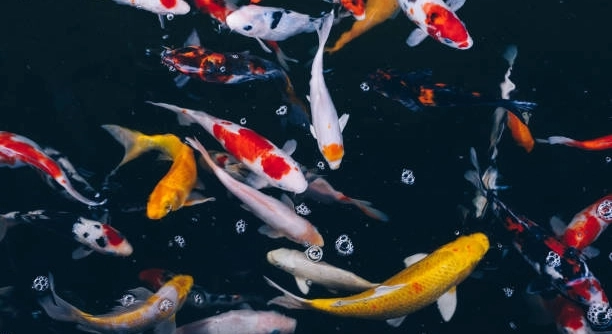
Are your koi acting differently after being moved into a new pond? It’s common for fish to need time to adjust.
Koi that are settling into a new pond often display specific habits such as reduced movement, increased hiding, and altered feeding patterns. These behaviors are typically part of their natural adjustment process and indicate environmental acclimation.
Understanding these habits can help you support your koi through the transition and ensure their long-term well-being in their new space.
Koi Often Hide More Than Usual
When koi are moved to a new pond, they usually spend a lot of time hiding. This is their natural response to change and unfamiliar surroundings. New ponds come with different water chemistry, temperature, and lighting, which can be stressful for the fish. Koi will often stay near the bottom or behind plants and decorations as they try to feel safe. This is completely normal and can last several days or even weeks. During this time, avoid sudden movements around the pond and limit disturbances like loud noises or splashing. Give them a peaceful environment so they can adjust at their own pace. If the pond has proper hiding spots and shaded areas, they are more likely to settle in comfortably. Watch for signs of illness, but generally, this behavior is not a reason for alarm. It is simply their way of getting used to the new space.
Give them time to get used to their surroundings without crowding them or trying to coax them out.
Koi hiding is not unusual during adjustment. It helps to offer places they can retreat to until they feel safe enough to swim openly. A mix of shade, plants, and quiet will support this process.
Appetite May Drop at First
Many koi stop eating or eat much less when first introduced to a new pond.
This sudden change in appetite is often linked to stress from relocation. Their bodies need time to process the differences in water, food availability, and temperature. Some koi might skip feeding altogether, while others nibble without much interest. This isn’t a sign of illness in most cases. Rather than pushing them to eat, try offering small amounts of food and watch if they show interest. Remove uneaten food quickly to keep the water clean. Gradually, as they feel secure, their appetite will return. You can support this by making sure the pond has stable water conditions. Testing for ammonia, nitrites, and pH can give you a better idea if the water is suitable for them. Also, use a consistent feeding schedule to build routine. Over time, koi recognize when it’s safe to come out and eat. This routine helps them feel secure and brings their appetite back.
Color May Look Duller Than Usual
Koi may appear less vibrant after moving. Their colors can fade due to stress, water differences, or reduced sunlight exposure. This is temporary and usually improves as they adapt to the new pond and conditions become more stable.
Color loss is often linked to stress responses. When koi feel uncertain or uncomfortable, their bodies react by dulling their natural pigments. Changes in water pH, hardness, and temperature can also affect how their scales reflect light. If the pond lacks proper lighting or has low-quality water, this can further impact their appearance. As their stress levels go down, and they feel more secure, their colors should return gradually. You don’t need to add anything special—just make sure water conditions are healthy, and the pond gets moderate sunlight. A calm and balanced environment allows koi to regain their bright, natural look over time without any extra effort.
Avoid adding color-enhancing foods or supplements right away. The focus should be on stability and comfort. Koi need time to settle before their bodies start showing signs of good health. A rich diet and clean water will support their colors in the long run, but too much too soon may overwhelm them. Let things improve slowly and naturally.
Swimming May Slow Down
Koi often swim less during the first few days in a new pond. They may stay still, hover near the bottom, or explore very slowly. This behavior is not unusual and doesn’t always mean something is wrong. They need time to feel safe before becoming more active.
Slower movement is one of the ways koi protect themselves in unfamiliar places. In the wild, stillness can help them avoid predators, and this instinct carries over into pond life. Sudden changes in water temperature or quality can also lower their energy levels. Check for stable water parameters and avoid making more changes while they adjust. Try not to overfeed or add new fish during this time. If your koi aren’t darting around but appear calm and uninjured, it’s usually a sign they are settling in. Give them time, and once they feel safe, their usual swimming patterns will return naturally.
Gills May Move Faster
Faster gill movement is a common response to stress or changes in water quality. It can look like the koi are breathing heavily, even if they aren’t gasping at the surface. Watch this closely but don’t panic right away.
This may also happen if oxygen levels are lower than what they’re used to. Adding aeration or checking your filtration system can help. Make sure ammonia and nitrite levels are not too high, as poor water quality will make it worse.
Scales Might Look a Bit Different
Changes in scale appearance can happen after a move. Koi might look slightly rougher, with scales that seem raised or uneven. This is usually due to stress or mild irritation from the water.
If it doesn’t get worse, and there’s no sign of infection, just keep an eye on them.
You Might Hear More Splashing
Some koi react to new environments by swimming up fast or jumping slightly. It’s not always a sign of illness. It can mean they’re adjusting or exploring boundaries. Just be sure your pond has a cover or enough depth to prevent injury.
FAQ
How long does it take for koi to fully adjust to a new pond?
It usually takes koi about 2 to 4 weeks to fully adjust to a new pond. During this time, they may act more cautious, hide often, eat less, or appear dull in color. Each fish is different, and some adjust quicker than others. Water quality, temperature, pond setup, and the overall stress of relocation all affect how fast koi settle in. If the environment is quiet, clean, and consistent, they often relax sooner. Watch for steady behavior changes—such as more swimming and regular eating—as signs that they’re starting to feel at home.
Why do my koi stay at the bottom of the pond?
Koi stay at the bottom when they feel unsure, stressed, or need time to get used to new water. It’s a way of protecting themselves. Cooler water often settles at the bottom, and fish may find it more comfortable there too. As long as they’re not gasping or clamped, it’s usually nothing serious. Give them some time and make sure the water is clean, with no high ammonia or nitrite levels. Avoid reaching in or trying to force them to swim around. They’ll come up on their own once they feel safe and curious again.
What should I feed koi during the adjustment period?
Keep feeding light and simple at first. Offer small amounts of easy-to-digest food like wheat germ pellets. Avoid overfeeding, especially if they seem uninterested. Uneaten food will just pollute the water and stress them more. Feed once a day, and only what they’ll eat in a few minutes. If they skip a meal, don’t worry—many koi take days to get their appetite back. Once they start eating regularly again, you can slowly return to their normal feeding routine. Make sure to remove any leftover food right away to keep the pond clean.
Are koi more likely to get sick after being moved?
Yes, koi are more vulnerable during this time. Stress weakens their immune system, making it easier for parasites or infections to take hold. That’s why clean water and low-stress conditions are so important. Keep an eye out for signs like clamped fins, sores, flashing, or white patches. You don’t need to medicate unless you see clear symptoms. Most healthy koi recover well just by resting in a stable environment. Test the water regularly, and avoid adding new fish until your current koi are fully settled. This lowers the risk of spreading illness.
Can I add plants or decorations right away?
Yes, but do it carefully. Plants and decorations can make koi feel more secure. They provide cover and help mimic a natural environment. However, try not to disturb the water too much during the early days. Add things gradually and avoid moving the koi around while placing them. Choose smooth-edged items that won’t scratch or injure your fish. Floating plants like water lettuce or lilies also offer shade, which koi appreciate while adjusting. Make sure the pond still has open space for swimming. A balanced setup helps koi feel comfortable without feeling crowded.
Is it okay to turn on the pond lights right away?
It’s better to ease into lighting slowly. Sudden, bright lights can stress koi that are already nervous. If you use pond lighting, start with dim settings or shorter periods of light during the day. Give them shaded areas where they can hide if needed. Over time, as they become more comfortable, they’ll be less reactive to light changes. Natural sunlight during the day is usually enough at first. Koi don’t need artificial lighting to adjust, so take your time. Focus more on keeping things stable and quiet than trying to make the pond look perfect right away.
Should I test the water even if it looks clear?
Absolutely. Clear water doesn’t always mean healthy water. Test for ammonia, nitrites, nitrates, pH, and temperature. Koi are sensitive to even small chemical shifts. A pond can look perfect but still have unstable conditions underneath. Use a reliable test kit once or twice a week during the first month after the move. This helps you catch any early problems before they get serious. Also, monitor oxygen levels—especially in warmer weather—since lower oxygen can cause stress or heavy breathing. Good water quality is the best support you can give koi as they settle in.
Final Thoughts
Moving koi into a new pond is a big change for them. Even if the pond looks peaceful and ready, koi need time to feel safe and adjust. Their behavior may seem unusual at first, but most of it is normal. Hiding, swimming slowly, or not eating much are all signs that they are processing the new environment. These habits should not be rushed or forced to change. Koi respond best when they are given space, calm surroundings, and consistent care. It’s important to observe them without overreacting. As long as the water is healthy and they are not showing signs of illness, most koi will settle in on their own.
Every pond is different, and each group of koi may respond in their own way. Some koi settle quickly and return to normal within a few days. Others may take several weeks. This difference does not always mean something is wrong. The best thing to do is support their natural habits by keeping their environment quiet and clean. Avoid adding new fish, changing the setup too often, or feeding heavily during the first few weeks. Testing the water regularly and making sure oxygen levels are good will make a big difference. Also, small details like having plants, shaded areas, and hiding spots help koi feel more at ease.
Watching koi settle into a new pond takes patience, but it can also be rewarding. You’ll start to notice small changes—their colors becoming brighter, their appetite returning, and their swimming becoming more confident. These are signs that they are adjusting well and beginning to feel comfortable in their new space. Over time, their true personalities will come out again. Some may become curious, while others stay calm and steady. Once they feel at home, koi become more interactive and enjoyable to watch. With the right care, a peaceful pond, and a little time, koi can adjust fully and live happily in their new environment.

Hello,
If you enjoy the content that we create, please consider saying a "Thank You!" by leaving a tip.
Every little bit helps us continue crafting quality advice that supports the health, happiness, and well-being of pets around the world, for pets of all shapes, sizes, and species.
We really appreciate the kindness and support that you show us!