
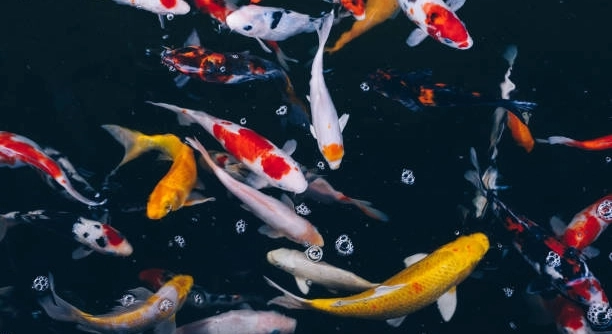
Koi are fascinating fish that react noticeably after a sudden rain. Their behavior often changes in subtle ways as they adapt to the new environment. Observing these changes can reveal interesting patterns about their nature and habitat.
After a sudden rain, koi typically increase their activity near the water surface, adjust their feeding behavior, and seek areas with higher oxygen levels. These responses help them cope with changes in water temperature, oxygen content, and water chemistry caused by rainfall.
Knowing how koi respond to rain helps maintain their well-being and supports better care for these beautiful creatures in ponds and gardens. This article highlights seven common behaviors to watch for after rain.
Increased Surface Activity
After rain, koi often swim closer to the water surface. This happens because rainwater can lower oxygen levels in the pond. Koi rise to the top where oxygen is more abundant. They may also become more active, moving around to adjust to the new water conditions. This change in behavior helps them breathe better. It also allows them to detect any new particles or debris brought in by the rain. Observing koi at the surface can give clues about the pond’s health. It is a natural response that shows how sensitive koi are to their environment. This behavior usually lasts until the water stabilizes after the rain stops.
Koi spending more time near the surface after rain is a sign they are adapting to oxygen changes. Monitoring this behavior helps maintain proper pond aeration.
Paying attention to these patterns can prevent stress in koi. It is important to ensure the pond has good circulation and oxygen supply after rainfall to support their well-being.
Feeding Behavior Changes
Koi tend to eat less immediately after rain. This is because rainwater can lower water temperature and alter the taste of the water. These changes make koi less interested in food. They may become cautious and wait until the water settles before feeding again. Rain also washes debris and chemicals into the pond, which koi might avoid eating around. Once conditions normalize, koi gradually return to their normal feeding habits. This pause helps them avoid ingesting anything harmful. It is best to feed koi lightly after rain and avoid overfeeding until their appetite returns.
Adjusting feeding routines after rain supports koi health and reduces waste buildup in the pond.
Reducing food intake after rain protects koi from stress and digestive issues. Offering small amounts and observing their response ensures they stay healthy. Consistent feeding practices help koi recover quickly from rain disturbances.
By understanding koi feeding behavior, pond owners can better care for them during weather changes. It is also helpful to clean the pond regularly to remove any rain-related debris or contaminants. Providing a balanced diet and maintaining clean water keeps koi thriving despite sudden environmental shifts. This approach promotes long-term health and enjoyment of koi in any pond setting.
Seeking Shelter
Koi often seek shelter after a sudden rain. They look for calm areas away from strong currents caused by rainwater runoff. This helps them conserve energy and avoid stress.
Sheltered spots such as under plants or near rocks provide koi a safe refuge. These areas reduce the impact of turbulent water and protect them from debris carried by rain. By staying in calmer zones, koi can recover more quickly from environmental changes. This behavior also reduces the risk of injury or illness from sudden water shifts. It is common to see koi grouping in these protected areas until the pond water returns to normal conditions.
Ensuring the pond has plenty of hiding places and calm zones supports koi during weather changes. Adding aquatic plants or creating structures in the pond can help. This makes it easier for koi to find shelter when rain disturbs the water. Maintaining these areas encourages koi to feel secure and lowers their stress levels after rainfall.
Changes in Color Intensity
After rain, koi sometimes show changes in their color intensity. The water temperature and clarity shifts can affect how their colors appear. Colors may look duller or more vibrant depending on the conditions.
Water temperature drops caused by rain slow koi metabolism, affecting pigment cells. When water becomes clearer from fresh rainwater, colors can appear sharper. Conversely, cloudy or muddy water might mute their hues. Koi also adjust their pigment for camouflage, which helps them stay less visible to predators in changing environments. These natural adaptations contribute to the color changes seen after rain.
Regular water testing and maintaining stable pond conditions reduce extreme color fluctuations. Good water quality supports koi health and consistent coloration. Observing color changes can provide insights into koi stress and overall pond conditions. Keeping the pond balanced helps koi maintain their natural beauty despite weather changes.
Increased Grouping Behavior
Koi tend to group together more after a sudden rain. This behavior helps them feel safer in uncertain conditions. Grouping reduces individual stress and offers protection from potential threats.
When water conditions change rapidly, koi instinctively form tighter schools. This reduces their vulnerability to predators and provides comfort through social interaction. Grouping also helps them share warmer or more oxygen-rich areas in the pond. This natural response supports their survival until the environment stabilizes. Watching koi cluster after rain can indicate how sensitive they are to changes in their habitat.
Water Temperature Adjustment
Rain often lowers the pond’s water temperature, affecting koi activity. Cooler water slows their metabolism, making them less active and more cautious. This temperature change influences their feeding habits and movement patterns. Koi need time to adjust to these shifts before returning to normal behavior. Sudden drops in temperature can cause stress, so monitoring water temperature after rain is important. Using pond heaters or aerators helps maintain a stable environment. Keeping temperature changes gradual supports koi health and reduces risks of illness or shock.
Increased Aeration Demand
Koi require more oxygen after rainfall because rainwater can lower oxygen levels. Aeration becomes crucial to maintain pond health.
How does sudden rain affect koi health?
Sudden rain can change water temperature, oxygen levels, and water chemistry, all of which affect koi health. Rapid drops in temperature may cause stress, weakening their immune system. Lower oxygen levels due to rainwater mixing with pond water can lead to breathing difficulties. Additionally, rain can introduce debris or contaminants, which might cause infections or discomfort. Monitoring these changes and maintaining good water quality helps protect koi from health issues after rain.
What signs show koi are stressed after rain?
Koi stress signs include erratic swimming, reduced appetite, hiding, or gasping at the water surface. They may group tightly or stay in sheltered areas more than usual. Color changes, such as dullness, can also indicate stress. Observing these behaviors closely after rain helps determine if koi need extra care. Early detection of stress allows for timely action, such as improving water aeration or adjusting feeding.
Should I feed koi right after it rains?
It is best to reduce feeding immediately after rain. Koi often eat less or stop feeding due to temperature drops and changes in water quality. Feeding less prevents uneaten food from polluting the water, which can worsen conditions. Wait until koi show normal feeding behavior before returning to regular amounts. Offering smaller, more frequent meals as they adjust helps support their recovery without overloading the pond.
How can I improve pond aeration after rain?
Improving aeration is crucial because rainwater can lower oxygen levels. Installing or running aerators, fountains, or waterfalls increases oxygen exchange. Adding aquatic plants that produce oxygen also helps, but mechanical aeration is often more effective right after heavy rain. Regularly checking oxygen levels with test kits ensures the pond remains healthy. Adequate aeration supports koi respiration and reduces stress caused by sudden environmental changes.
Is it necessary to clean the pond after rain?
Yes, cleaning debris such as leaves, dirt, or pollutants washed in by rain helps maintain water quality. Removing organic matter prevents decay, which can lower oxygen and increase harmful bacteria. Cleaning filters and checking water parameters after rain keep the environment stable. However, avoid drastic water changes immediately after rain; gradual adjustments are safer for koi.
How do koi adapt to changes in water temperature?
Koi adjust metabolism based on water temperature. Cooler water slows their activity, digestion, and immune function. Warmer water speeds these up. Sudden temperature changes cause stress, so koi seek shelter or reduce movement until conditions stabilize. Maintaining consistent pond temperature through insulation or controlled heating minimizes these effects and helps koi stay healthy throughout weather changes.
Can rain introduce harmful chemicals into my pond?
Rain can carry pollutants from nearby areas, such as pesticides, fertilizers, or road salts. These chemicals may harm koi or disrupt pond balance. Testing water quality after heavy rain is important to detect contaminants. Using natural filtration methods like plants and beneficial bacteria can reduce chemical impact. Preventing runoff by creating barriers or using clean water sources also protects the pond.
Why do koi change color after rain?
Color changes happen due to shifts in water clarity, temperature, and stress levels. Cooler or murkier water may make colors appear dull, while clearer water can brighten them. Stress from environmental changes may cause temporary pigment fading. These changes are natural and usually reversible. Maintaining stable pond conditions reduces dramatic color shifts and keeps koi looking vibrant.
How long do koi behaviors change after rain?
Behavioral changes can last from a few hours to several days, depending on rain intensity and pond conditions. Koi typically resume normal activity once water temperature and oxygen levels stabilize. Monitoring the pond during this period is essential to support koi recovery. Providing a calm environment with proper aeration and gentle feeding helps koi adjust smoothly.
What can I do to prepare my pond for rain?
Prepare by ensuring good filtration and aeration systems are in place and functioning well. Regular pond maintenance, such as cleaning and water testing, keeps conditions stable. Adding aquatic plants improves water quality and provides shelter. Creating shaded areas helps regulate temperature changes. Planning drainage to prevent overflow and debris buildup protects the pond structure. These steps reduce stress on koi and make the pond more resilient to sudden rain events.
The effects of sudden rain on koi are varied and significant. Rain changes the pond’s environment quickly, influencing water temperature, oxygen levels, and clarity. Koi respond to these changes through different behaviors, such as seeking shelter, grouping closely, and adjusting their activity. These natural responses help them manage stress and maintain health. It is important to understand how koi behave after rain to provide the right care and support during these times. Proper pond maintenance before and after rain helps create a stable habitat that minimizes negative effects on koi.
Maintaining good water quality is essential for koi well-being, especially after rain. Sudden shifts in water conditions can cause stress, which makes koi more vulnerable to illness. Regular cleaning, proper filtration, and ensuring adequate aeration support their health. Monitoring water parameters such as temperature, oxygen, and pH levels after rain can help detect potential problems early. Adjusting feeding schedules and providing places for koi to find shelter are simple but effective ways to ease their recovery. Preparing the pond in advance for rainy weather reduces the risks and helps koi adapt more smoothly.
Observing koi behavior after rainfall gives insight into their condition and the pond environment. Changes in swimming patterns, color intensity, and grouping behavior all signal how koi are coping. Being attentive to these signs allows for timely action to prevent health issues. Supporting koi with stable pond conditions encourages their natural resilience and enhances their overall well-being. Taking these steps ensures koi remain healthy and vibrant despite the challenges sudden rain may bring to their aquatic home.

Hello,
If you enjoy the content that we create, please consider saying a "Thank You!" by leaving a tip.
Every little bit helps us continue crafting quality advice that supports the health, happiness, and well-being of pets around the world, for pets of all shapes, sizes, and species.
We really appreciate the kindness and support that you show us!