
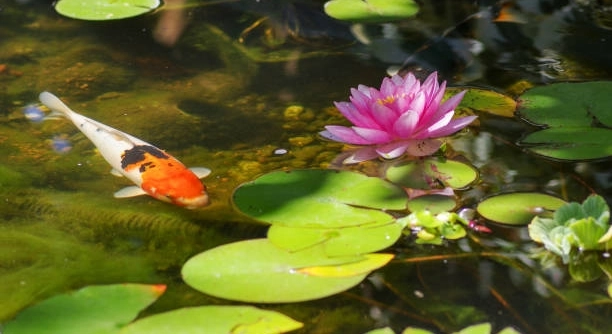
Koi fish are fascinating creatures that often explore their surroundings with great curiosity. Their behavior in ponds reveals subtle ways they test the limits of their environment. Observing these patterns can help pond owners understand koi better.
Koi test their pond boundaries through swimming patterns, water surface interaction, and reaction to physical obstacles. These behaviors help koi establish territory, assess safety, and navigate their aquatic environment effectively while adapting to changes within the pond.
Learning how koi behave around their pond edges provides useful insights into their well-being and habitat preferences. This understanding can improve pond management and enhance the koi’s overall health.
Swimming Along the Pond Edges
Koi often swim close to the edges of their pond as a way to test its boundaries. This behavior allows them to explore and understand their environment while staying safe. When koi swim along the edges, they can check for any changes or obstacles, such as plants or rocks. This cautious movement helps them establish their territory and identify where they can move freely. Swimming near the edges also gives koi a chance to observe what lies beyond their usual space without venturing too far. This behavior is common when koi are introduced to a new pond or after any changes have been made to their habitat. Watching koi glide carefully along the pond borders can be both calming and informative, revealing their natural instincts to protect themselves and adapt to their surroundings. This boundary testing supports their health by preventing stress and injury.
This edge swimming is a natural behavior that helps koi stay comfortable and secure in their pond.
Regular observation of this behavior can provide clues about koi’s comfort level and their reaction to new or changing pond environments.
Surface Interaction and Boundary Awareness
Koi interact with the water surface to assess their surroundings. They may nudge or circle near the surface, using this as a way to explore the limits of their space. This behavior can indicate their comfort and curiosity levels. Surface movement is often related to feeding times but also serves as a method for koi to familiarize themselves with the pond’s size. The koi’s gentle taps or glides at the surface let them test water quality and temperature, which are important factors in their habitat. This interaction can also signal how koi respond to external stimuli like shadows or movements above the pond. Monitoring these surface behaviors allows pond owners to detect changes in koi activity, which may reflect environmental shifts or health issues. It is important to keep the pond clean and stable to encourage positive surface interaction and overall well-being in koi.
By observing how koi use the surface, pond owners gain valuable information about their fish’s needs and comfort.
Understanding koi’s surface behavior helps in maintaining a balanced pond environment that supports their natural instincts and health.
Reaction to Physical Obstacles
Koi often test their pond boundaries by responding to physical obstacles like rocks, plants, or decorations. Their reactions help them learn where they can swim freely and where they should be cautious. This behavior is important for their safety and comfort.
When koi encounter obstacles, they may swim slowly around them, touch them gently with their mouths, or change direction to avoid collisions. This careful exploration helps koi map out their environment and reduce stress. It also prevents injuries by teaching them to navigate safely. Physical obstacles can act as markers for koi territory and influence how they move through the pond. Owners should observe how koi interact with these objects to ensure the pond layout is safe and suitable.
By providing varied but safe obstacles, pond owners encourage natural exploration while helping koi feel secure within their boundaries.
Swimming Speed and Boundary Testing
Koi use changes in swimming speed as a way to test pond limits. They may accelerate near the edges or slow down when approaching barriers. This behavior helps them gauge available space and avoid danger.
Swimming speed adjustments allow koi to assess the pond’s size and navigate with precision. When koi speed up near boundaries, they are testing how far they can go before encountering resistance. Slowing down signals caution, especially in new or unfamiliar environments. This dynamic movement helps koi stay aware of their surroundings and maintain control while swimming. Tracking these changes in speed can provide insights into koi comfort levels and any potential problems in the pond. Pond owners can use this knowledge to adjust the pond’s design or address issues that affect koi movement.
Speed variation is an essential part of koi behavior that supports their spatial awareness and safety.
Group Behavior Near Boundaries
Koi often swim in groups near pond edges, which helps them feel secure while testing boundaries. This behavior provides safety in numbers and allows them to explore collectively. Group movement can also indicate how comfortable they are with their environment.
Swimming together near borders helps koi establish social hierarchy and reduces stress. It encourages communication and signals when the pond feels safe or threatening. This group behavior often occurs when koi are introduced to new surroundings or when the pond conditions change.
Investigating Reflections and Shadows
Koi frequently investigate reflections and shadows on the water surface as part of their boundary testing. These visual cues help them understand their surroundings better and can influence how they move near the pond’s edges.
Repeated Boundary Circling
Koi sometimes swim in repetitive circles close to the pond’s edges. This pattern is a way to map out their territory and check for any changes or intrusions. It is a natural behavior that supports their spatial awareness.
Adjusting to Changes in Pond Size
Koi gradually adapt to changes in pond size by cautiously testing new boundaries over time.
How do koi recognize the boundaries of their pond?
Koi recognize pond boundaries mainly through physical contact and environmental cues. They use their bodies and mouths to feel obstacles like rocks, plants, or pond walls. Visual signals such as shadows, reflections, and water surface changes also help them understand the limits. Over time, koi learn the size and shape of their pond by swimming along edges and observing where obstacles begin and end. This awareness allows them to move confidently without getting trapped or injured. Owners can support this by providing a stable and clear environment, ensuring koi have consistent cues to rely on.
Why do koi swim along the edges of their pond?
Swimming near the edges is a natural behavior that helps koi explore their environment safely. The edges offer a defined area where koi can test limits without risking open water dangers. This cautious exploration lets koi check for changes in the pond layout or water conditions. Swimming along the borders also helps koi map their territory, reducing stress and increasing their sense of security. For koi introduced to new ponds, this behavior is more frequent as they adjust to unfamiliar surroundings. Watching koi along the edges provides insight into their comfort and habitat needs.
Do koi get stressed when pond boundaries change?
Yes, koi can become stressed if the pond boundaries change suddenly. They rely on familiar surroundings to feel safe. When new obstacles, decorations, or plants are added, or if the pond size changes, koi must relearn their space. This adjustment period may lead to increased hiding, slower swimming, or more frequent boundary testing. Stress can affect koi health, so gradual changes and careful monitoring are important. Providing consistent water quality and minimizing disturbances during transitions helps koi adapt more easily.
How does water quality affect koi boundary behavior?
Water quality directly influences koi activity and how they test boundaries. Poor water conditions can cause koi to avoid certain areas or reduce their movement altogether. Clean, well-oxygenated water encourages normal exploration, including boundary testing behaviors like edge swimming and obstacle investigation. If water becomes cloudy or polluted, koi may hide or stay in limited spots, making it harder to observe their natural behaviors. Regular water testing and maintenance are essential to keep koi comfortable and active within their pond.
Can koi damage pond features when testing boundaries?
Koi are generally gentle when testing boundaries, using soft nudges and slow swimming to explore. However, in some cases, especially if the pond is overcrowded or koi are stressed, they may cause minor damage to delicate plants or decorations. Providing sturdy features and enough space reduces this risk. Observing koi behavior can help identify if they are overly aggressive or anxious, allowing adjustments to the pond environment.
How do koi use swimming speed to test boundaries?
Koi vary their swimming speed near pond edges as a way to understand their limits. They may speed up to see how far they can go before an obstacle or slow down when approaching unfamiliar areas. These changes help koi avoid collisions and assess their space carefully. Watching swimming speed patterns offers clues about koi comfort and pond layout effectiveness.
Is it normal for koi to circle the pond repeatedly?
Yes, koi sometimes swim in repeated circles close to the edges. This behavior helps them memorize their territory and detect any changes. Circling also allows koi to maintain social structure within groups and keep track of safe zones. It is a natural pattern that supports their spatial awareness and well-being.
What should I do if my koi seem confused by pond boundaries?
If koi appear confused or stressed near pond edges, review the pond setup for sudden changes or hazards. Ensure water quality is stable and the environment is clear of sharp objects or tight spaces. Gradually introduce any new features and avoid overcrowding. Providing hiding spots and varied terrain helps koi feel secure while they adjust.
How can I encourage healthy boundary testing in koi?
Encourage healthy boundary testing by keeping the pond clean and providing natural features like rocks and plants for exploration. Avoid sudden changes in pond design and maintain consistent water quality. Regular observation of koi behavior allows early detection of stress or discomfort. This approach supports natural instincts and helps koi adapt confidently.
Do koi boundary behaviors change with seasons?
Koi behavior, including boundary testing, can vary with the seasons. In warmer months, koi are more active and explore pond limits frequently. During colder months, koi reduce activity and may stay in deeper areas, testing boundaries less often. Seasonal changes in water temperature and light affect koi movement, so adjusting care routines accordingly is important to support their natural behavior year-round.
Final Thoughts
Understanding how koi test their pond boundaries is important for anyone who cares for these fish. Their behavior reveals how they interact with their environment and adjust to changes. By observing koi carefully, owners can learn about their comfort levels and overall health. Koi use various methods to explore their pond, such as swimming along edges, reacting to obstacles, and changing speed. These actions help koi map their territory and stay safe. Providing a stable and secure environment supports their natural instincts and promotes well-being.
Proper pond design plays a key role in koi boundary testing. When ponds have clear borders and gentle obstacles, koi can explore without stress or injury. It is important to avoid sudden changes or overcrowding, which can confuse koi and cause stress. Water quality also affects koi behavior. Clean, well-oxygenated water encourages healthy activity and boundary testing. Regular maintenance ensures the pond remains a safe space for koi to explore and live comfortably. Observing koi responses to their surroundings can guide necessary adjustments to the pond.
Koi boundary testing is a natural and necessary behavior that helps fish feel secure in their environment. Supporting this behavior requires attention to pond layout, water conditions, and koi social interactions. Providing a variety of safe obstacles and enough space allows koi to engage in their exploratory behavior. Understanding these aspects helps create a better habitat that meets koi needs. This care ultimately leads to healthier, more content koi that thrive within their pond boundaries.

Hello,
If you enjoy the content that we create, please consider saying a "Thank You!" by leaving a tip.
Every little bit helps us continue crafting quality advice that supports the health, happiness, and well-being of pets around the world, for pets of all shapes, sizes, and species.
We really appreciate the kindness and support that you show us!