
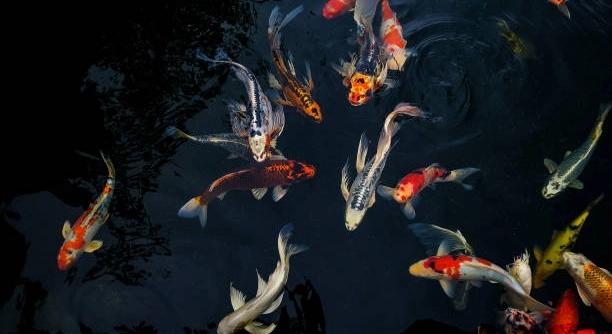
Koi fish are popular pets known for their beauty and grace. Many koi owners want to create the best environment for their fish. Small changes in care can improve koi well-being and overall happiness.
Koi happiness depends on proper water quality, adequate space, balanced nutrition, and environmental enrichment. Adjusting these factors helps reduce stress and promotes healthier, more active fish. Consistent monitoring and care support koi longevity and contentment.
These simple adjustments can make a noticeable difference for your koi. Learning how to implement them can enhance your fish’s quality of life and strengthen your bond.
Improve Water Quality for Healthier Koi
Maintaining clean and balanced water is essential for koi health. Regularly test the water for pH, ammonia, nitrites, and nitrates. These chemicals impact your koi’s comfort and immune system. Using a good filtration system helps remove waste and toxins. Change about 10-20% of the water weekly to keep it fresh without shocking the fish. Avoid using harsh chemicals or soap near the pond. Proper aeration is also important, as koi need plenty of oxygen to thrive. Installing an air pump or waterfall can improve oxygen levels. Watching for cloudy water, algae growth, or strong odors can signal water problems. Keeping these factors in check reduces stress and disease risks in your koi.
Regular water checks create a stable environment that koi prefer. This consistency prevents health issues before they start.
Water quality affects koi behavior and appetite. When water is clean and balanced, koi swim actively and eat well. Poor water can cause lethargy, spots, or even death. Regular maintenance and testing give you confidence that your pond stays safe. It also allows you to spot problems early, making fixes easier. In addition, maintaining water temperature between 65-75°F supports koi metabolism and immunity. If the pond is too warm or cold, koi become stressed and vulnerable. Aeration and filtration work together to keep water clear and oxygen-rich. Proper water care not only protects koi but also improves the overall beauty of the pond environment.
Provide Adequate Space and Shelter
Koi need enough space to swim freely and grow. Overcrowded ponds cause stress and poor water quality. A pond size of at least 1,000 gallons is recommended for a few koi. Adding plants or rocks creates shelter and hiding spots, helping koi feel safe.
Offering shade and shelter protects koi from extreme sun and predators. It also reduces algae growth by limiting sunlight. Plants like water lilies or floating vegetation provide natural cover. Adding a pond net keeps birds and other predators away, keeping koi safe. Giving koi room to move and places to hide supports their natural behavior. This leads to calmer and healthier fish that show their colors better. Space and shelter also encourage koi to explore and interact more, adding life to your pond. Adjusting pond layout with thoughtful additions improves koi comfort daily.
Balanced Nutrition Matters
Koi require a balanced diet to stay healthy and vibrant. Feeding them high-quality pellets designed for koi ensures they get essential nutrients. Avoid overfeeding, which can lead to poor water quality and health problems.
Feeding koi the right amount and type of food supports their growth and immune system. Pellets rich in protein, vitamins, and minerals help maintain bright colors and strong bodies. It’s best to feed small portions two or three times a day. Avoid giving koi bread or human snacks, as these can cause digestive issues. Seasonal changes also affect koi diet. In colder months, they eat less and need food lower in protein. Paying attention to these details helps koi thrive year-round.
Adding occasional treats like peas or shrimp provides variety and extra nutrients. Fresh vegetables can be offered but should be cut into small pieces. Proper feeding routines reduce waste and keep your pond cleaner. Consistency in diet supports koi health, making them more active and less prone to disease.
Create an Enriching Environment
Koi benefit from a stimulating environment that mimics their natural habitat. Including plants, rocks, and varied pond features encourages natural behavior and reduces boredom.
Adding different textures and hiding spots gives koi opportunities to explore and rest safely. Plants like submerged grasses and floating lilies provide cover and shade, making koi feel secure. Structures such as caves or ledges create safe areas where koi can retreat from bright light or other fish. Moving water features like waterfalls not only oxygenate the pond but also add gentle currents koi enjoy. Enriching the pond environment supports koi mental and physical health by encouraging natural swimming patterns and social interactions. This kind of setting helps koi stay active and reduces stress, leading to longer, happier lives.
Regular Health Checks
Watching koi daily helps catch health issues early. Look for changes in behavior, appetite, or appearance.
Common signs of illness include spots, torn fins, or sluggishness. Early detection allows prompt treatment, preventing serious problems.
Maintain Stable Water Temperature
Koi prefer consistent water temperatures between 65-75°F. Sudden changes cause stress and weaken their immune systems.
Using heaters or shade helps regulate temperature, especially in extreme weather. Stability supports koi health and activity levels.
Keep the Pond Clean
Removing debris and fallen leaves from the pond prevents water quality issues. A clean pond reduces harmful bacteria and algae growth.
Regularly cleaning the filter and pond bottom keeps the environment safe for koi. This simple habit supports their long-term well-being.
FAQ
How often should I test my koi pond water?
Testing water once a week is ideal to keep track of pH, ammonia, nitrite, and nitrate levels. Regular checks help catch any imbalances early and protect your koi from harmful conditions.
What is the best diet for koi fish?
A balanced diet with high-quality koi pellets provides essential nutrients. Supplement occasionally with peas, shrimp, or vegetables for variety. Adjust feeding amounts and types based on the season to avoid overfeeding or malnutrition.
How much space do koi need?
Each koi should have at least 250 gallons of water to swim comfortably. Overcrowding stresses fish and worsens water quality. Bigger ponds with natural hiding places keep koi calmer and healthier.
Can koi survive in cold weather?
Yes, koi can survive cold winters if the pond is deep enough (at least 3 feet). During cold months, koi eat less and their metabolism slows. Using pond heaters or aerators helps maintain oxygen levels.
How do I prevent algae growth in my pond?
Algae thrive in warm, sunny water with excess nutrients. Adding plants that provide shade, limiting feeding amounts, and regular water changes reduce algae. Using a UV clarifier can also help control algae blooms.
What are common koi diseases I should watch for?
Look for white spots, ulcers, ragged fins, or unusual swimming behavior. These can indicate infections, parasites, or poor water quality. Early treatment with proper medication and water care is essential.
How often should I clean my koi pond?
Remove debris and clean filters weekly to maintain water clarity and health. Full pond cleanings depend on pond size but typically happen once or twice a year to remove sludge and buildup.
Is it necessary to aerate my koi pond?
Aeration is very important, especially in warm weather or crowded ponds. It increases oxygen levels, which koi need to stay healthy and active. Air pumps, waterfalls, or fountains all help with aeration.
Can koi live with other fish?
Koi can live peacefully with some other fish species, like goldfish, if the pond is large enough. Avoid aggressive or very small fish that koi might see as food or competition.
How do I know if my koi are stressed?
Signs of stress include clamped fins, hiding often, loss of appetite, and erratic swimming. Stress often results from poor water quality, overcrowding, or sudden changes in environment. Addressing these issues quickly helps koi recover.
Final Thoughts
Taking care of koi requires attention to several important details. Small adjustments like maintaining water quality, providing enough space, and feeding the right diet can make a big difference in your fish’s health and happiness. These steps help create an environment where koi can thrive, swim actively, and show their natural colors. Keeping a clean pond and stable water temperature also supports their well-being by reducing stress and illness. Regular health checks let you notice any changes early, allowing for quick action before problems grow.
Consistency in care is key when raising koi. Each element of their environment, from water conditions to diet and shelter, works together to keep them comfortable and safe. It is important to avoid sudden changes that can upset koi and cause stress. Instead, gradual improvements and steady maintenance will build a healthy habitat. Observing your koi daily helps you understand their normal behavior, so you can spot anything unusual quickly. This attentiveness not only protects your koi but also strengthens your connection with them over time.
Investing time in these small but effective adjustments brings rewarding results. Your koi will live longer, look healthier, and behave more naturally in a well-maintained pond. Creating a balanced and enriching environment gives your fish the best chance to flourish. While koi care may seem complex at first, focusing on these basic principles makes the process manageable. A happy koi pond benefits both the fish and those who care for them, providing beauty and relaxation for years to come.

Hello,
If you enjoy the content that we create, please consider saying a "Thank You!" by leaving a tip.
Every little bit helps us continue crafting quality advice that supports the health, happiness, and well-being of pets around the world, for pets of all shapes, sizes, and species.
We really appreciate the kindness and support that you show us!