
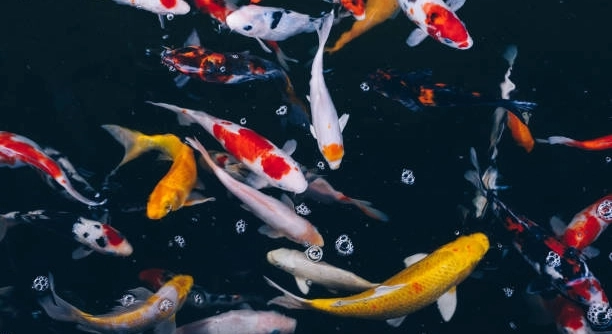
Koi fish communicate more than just with colors and movements; they also express displeasure through subtle body language. Understanding these signals can help owners better care for their aquatic pets and maintain a healthy environment.
Koi show displeasure through specific nonverbal behaviors such as rapid fin movements, changes in swimming patterns, hiding, or abrupt stops. These signs indicate stress, discomfort, or unhappiness, which are important for owners to recognize and address promptly.
Knowing how to read these cues will improve your ability to respond appropriately and support your koi’s well-being over time.
Rapid Fin Movements and Flared Gills
When koi feel annoyed or threatened, they often move their fins quickly and sometimes flare their gills. This behavior is a way to show discomfort or stress without making loud noises. You might notice their fins twitching or fluttering rapidly, which is different from their normal gentle swimming motions. Flared gills mean the fish is trying to get more oxygen, often because it is stressed or in poor water conditions. These signs should not be ignored, as they indicate that the koi is experiencing some form of distress.
Rapid fin movements and flared gills are common nonverbal signals that koi use to express displeasure and anxiety.
Watching for these fin and gill changes is essential. It can alert you to water quality issues or aggressive tank mates causing stress. Promptly addressing these concerns can help your koi return to calm, healthy behavior.
Changes in Swimming Patterns
Koi often change their swimming style when they are upset. Instead of gliding smoothly, they might dart suddenly, swim in circles, or stay near the bottom. These unusual patterns show the fish is uneasy or stressed. For example, erratic swimming can indicate irritation caused by parasites or poor water conditions. Sometimes koi hide more than usual or avoid other fish, signaling discomfort in their environment. These changes in behavior can also mean the fish is sick or feeling threatened. It is important to watch your koi closely and notice if their swimming habits change, as early detection helps prevent more serious problems.
Observing swimming patterns is a useful way to monitor koi health and mood.
If your koi starts swimming oddly, it is a sign to check water quality and tank mates. Ensure the environment is clean and peaceful, free from sharp objects or bullying fish. Sometimes stress comes from overcrowding or lack of hiding spots. Adding plants or decorations can make your koi feel more secure. Feeding routines and water temperature should also be consistent to reduce stress. Addressing these factors helps koi feel safe, improving their swimming behavior and overall well-being. Regular observation lets you catch issues early, keeping your koi happy and healthy.
Hiding More Than Usual
Koi that hide frequently are often showing signs of discomfort or stress. Hiding can indicate fear, illness, or dissatisfaction with their environment.
When koi start spending more time hiding under rocks, plants, or tank corners, it is usually because something is bothering them. This behavior might mean they feel threatened by other fish, or that water conditions are not ideal. Poor water quality, sudden temperature changes, or overcrowding can all cause koi to seek shelter more often. Hiding can also signal illness, so it’s important to check for physical signs like spots, discoloration, or changes in appetite. By paying attention to their hiding habits, you can better understand their needs and adjust their environment to help them feel safe and comfortable.
Regular observation of hiding patterns can alert you to problems before they worsen. Try improving water quality and reducing tank stress to encourage your koi to come out and swim freely again.
Abrupt Stops and Freezing
Koi sometimes stop swimming suddenly and remain still for moments at a time. This behavior often signals discomfort or stress in their surroundings.
When koi freeze or abruptly stop moving, it can mean they are feeling threatened or confused by something in the environment. This behavior is a warning sign that the fish is not relaxed and may be reacting to poor water quality, an aggressive tank mate, or sudden noises. Sometimes, freezing can also be linked to illness or low oxygen levels. Watching for these moments helps catch issues early. Ensuring proper water conditions and reducing disturbances allows koi to feel secure and reduces this freezing behavior. Adjustments to lighting and noise levels can also help koi stay calm and comfortable in their habitat.
Tail Clamping
Tail clamping is when a koi keeps its tail fin close to its body instead of spreading it out. This is a clear sign of stress or discomfort.
Often, tail clamping happens because of poor water quality, illness, or injury. It means the fish is trying to protect itself or is feeling unwell.
Reduced Appetite
Koi that show displeasure may stop eating or eat less than usual. This behavior signals stress or health problems.
A lack of appetite can quickly affect a koi’s energy and overall condition. Monitoring feeding habits helps catch early signs of trouble before they become serious.
Aggressive Behavior
When koi are unhappy, they might show aggression toward other fish. Nipping fins or chasing others often means they feel threatened or stressed.
Aggression can result from overcrowding, poor water conditions, or competition for food. Providing enough space and maintaining clean water reduces these conflicts. Observing koi interactions regularly helps keep the tank peaceful and the fish comfortable.
FAQ
How can I tell if my koi is stressed or just resting?
Koi resting usually stay still but appear calm, with smooth breathing and relaxed fins. Stressed koi often show rapid fin movement, clamped tails, or erratic swimming. Watch for signs like hiding, flared gills, or lack of appetite to identify stress. If you notice unusual behavior lasting more than a day, it’s likely stress.
What water conditions cause koi to show displeasure?
Poor water quality, including high ammonia, nitrites, or low oxygen, often causes koi stress. Sudden temperature changes and improper pH levels also impact their comfort. Regular water testing and maintaining clean, balanced water helps prevent these issues and keeps koi healthy.
Can aggressive tank mates cause koi stress?
Yes, aggressive fish or overcrowding can make koi feel threatened and lead to hiding, tail clamping, or freezing behaviors. Koi need enough space and peaceful companions to thrive. Avoid mixing aggressive species with koi and provide hiding places to reduce stress.
How often should I check my koi for signs of displeasure?
Daily observation is best. Spend a few minutes watching how your koi swim, eat, and interact. Early detection of stress behaviors helps you take action before problems worsen. Routine checks keep your koi safe and comfortable.
What should I do if I notice my koi hiding more than usual?
Check water quality and tank conditions immediately. Look for signs of illness, parasites, or bullying by other fish. Improve the environment by cleaning the tank, adjusting temperature, or adding plants for cover. If hiding continues, consider consulting a vet.
Is tail clamping always a sign of illness?
Not always. Tail clamping can indicate temporary stress, such as after water changes or sudden noise. However, if it persists, it may signal health problems like fin rot or parasites. Monitor your koi closely and test water quality to rule out causes.
Why does my koi stop eating suddenly?
Loss of appetite often signals stress, illness, or poor water quality. Seasonal changes can also affect feeding behavior. Check water parameters and look for physical symptoms. Providing a varied diet and a stable environment helps encourage eating.
Can koi communicate displeasure in ways other than body language?
Koi mainly rely on body language and swimming patterns to express feelings. They do not make sounds but use movements, fin displays, and hiding to communicate discomfort. Being attentive to these subtle signals is key to understanding their needs.
How do I reduce stress in my koi’s environment?
Maintain clean, stable water conditions with proper filtration and aeration. Avoid overcrowding and aggressive fish. Provide hiding spots like plants and decorations. Feed high-quality food regularly and keep noise and sudden changes to a minimum.
When should I seek professional help for my koi?
If you notice prolonged stress behaviors, physical signs of illness like sores, discoloration, or unusual swimming, consult a vet experienced with fish. Early intervention can save your koi from serious health issues. Regular care reduces the chances of needing urgent help.
Understanding the ways koi show displeasure helps improve how we care for them. Koi use many subtle signals to express when they feel stressed, uncomfortable, or sick. These signals can include rapid fin movements, hiding, abrupt stops, or changes in swimming patterns. Paying close attention to these behaviors can tell you a lot about your koi’s health and happiness. When you notice these signs early, it becomes easier to fix problems before they get worse. This helps your koi live a healthier and longer life.
It is important to maintain a stable and clean environment for koi to thrive. Water quality, temperature, and space all play big roles in their comfort. Keeping the water clean with proper filtration and regular checks will reduce stress and prevent many health issues. Giving your koi enough space and peaceful companions also makes a big difference. When koi are not crowded or threatened, they are less likely to show signs of displeasure. Simple things like adding plants or decorations give koi places to hide and feel safe.
Recognizing koi’s nonverbal signs of displeasure can be very helpful for any koi keeper. By watching their behavior closely and understanding what it means, you can respond quickly to their needs. This might include adjusting water conditions, feeding better food, or separating aggressive fish. Taking these steps shows care and respect for your koi, ensuring they stay calm and healthy. Observing and responding to your koi’s signals builds a better relationship and a more enjoyable experience in caring for these beautiful fish.

Hello,
If you enjoy the content that we create, please consider saying a "Thank You!" by leaving a tip.
Every little bit helps us continue crafting quality advice that supports the health, happiness, and well-being of pets around the world, for pets of all shapes, sizes, and species.
We really appreciate the kindness and support that you show us!