
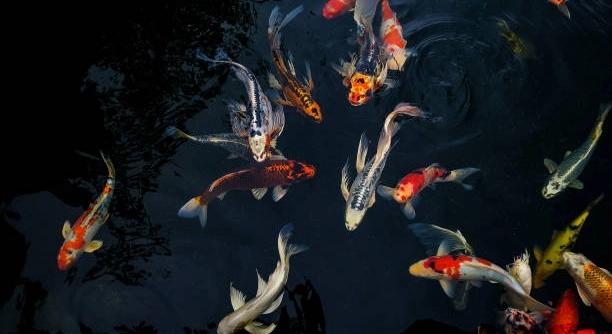
Rare koi exhibit unique features that set them apart from common varieties. These unusual traits often attract collectors and enthusiasts who appreciate the diversity and beauty of koi fish. Exploring these characteristics reveals fascinating aspects of koi genetics and care.
Seven unusual traits found in rare koi include distinctive color patterns, unique scale formations, uncommon fin shapes, rare skin textures, specific growth anomalies, unusual swimming behaviors, and atypical responses to environmental changes. These traits contribute to their rarity and appeal in koi breeding and collection.
These unusual traits highlight the complexity and wonder of rare koi, offering insight into their care and significance among fish enthusiasts. Understanding them enhances appreciation and knowledge for both hobbyists and breeders.
Distinctive Color Patterns
Rare koi often display color patterns that are not commonly seen in typical koi varieties. These patterns can include unusual combinations of red, white, black, and even metallic hues. Some koi have irregular patches of color that break the usual symmetry, making them stand out. These unique colorations are the result of specific genetic variations that occur less frequently in breeding. It is these patterns that make some koi highly prized by collectors and breeders. The presence of colors like deep blue or rare metallic shades can also indicate a koi’s rarity. These traits require careful selection in breeding programs to maintain and propagate. Such koi can demand higher prices due to their uniqueness and aesthetic appeal.
These distinctive patterns are more than just attractive colors; they signal genetic diversity. They can also impact how koi respond to light and water conditions.
Color plays a significant role in how koi are judged in competitions. The clarity, brightness, and placement of colors affect the koi’s overall appeal. Maintaining vibrant colors requires a clean environment and proper diet. Breeders often focus on these traits to enhance their koi’s market value. Observing color patterns helps owners understand the health and lineage of their koi, guiding care decisions.
Unique Scale Formations
Rare koi may exhibit scale patterns that differ from the typical uniform arrangement. These scales can be larger, smaller, or arranged in unusual ways. Some koi have scaleless patches or scales with metallic shine, which are sought-after traits. Such scale variations are genetic and are preserved through selective breeding.
Scale formations contribute to the fish’s texture and appearance. They also affect how koi move through water and reflect light.
The variety in scale patterns adds to the koi’s individuality. Koi with rare scale types often become centerpieces in ponds due to their striking appearance. Scale health is critical; damaged or missing scales can indicate disease or injury. Proper care ensures the scales maintain their unique look and do not deteriorate over time. Observing scales regularly helps in early detection of health issues. This trait offers both aesthetic and practical value in koi keeping.
Uncommon Fin Shapes
Unusual fin shapes in rare koi include elongated, rounded, or even frilled edges. These variations affect their swimming style and overall look, making the fish stand out among others. Such fin traits are often a result of genetic mutations.
Uncommon fin shapes can influence a koi’s movement and balance. For instance, longer fins may cause slower, more graceful swimming, while shorter fins promote agility. Some koi display fins that resemble delicate fans or lace, adding to their ornamental value. These traits require attentive care, as delicate fins can be prone to injury or infection if the environment is not properly maintained. Proper water quality and gentle handling help preserve the unique fin structures and keep the fish healthy.
Breeders aim to maintain these fin characteristics through selective breeding, as they contribute significantly to the koi’s appeal. In competitions, koi with rare fin shapes often attract attention due to their distinctiveness. Observing fin health regularly is important for early detection of any problems that could affect swimming ability or appearance.
Rare Skin Textures
Rare koi may have skin textures that differ from the usual smooth scales. Some exhibit a velvety or even rough surface, which gives them a distinctive feel and look. These textures are often genetic and prized by collectors.
Skin texture can affect how light reflects off the koi, enhancing or muting its colors. It also influences how the fish interacts with its environment. Textured skin might provide extra protection or require more careful maintenance to prevent infections. Maintaining optimal water conditions and diet is essential for preserving these rare skin types. Owners should regularly check for signs of irritation or damage.
This trait adds depth to koi diversity. Fish with unique textures often become conversation pieces due to their unusual appearance. Proper care and habitat management are critical to keep their skin healthy and vibrant. Understanding these textures helps in identifying rare koi and appreciating their distinct qualities.
Specific Growth Anomalies
Some rare koi show unusual growth patterns, such as asymmetrical bodies or uneven fins. These anomalies can result from genetic factors or environmental influences during development. They make each koi visually unique.
These growth differences may affect swimming but often do not harm the koi’s overall health. Owners should monitor their koi’s movement to ensure no difficulties arise.
Unusual Swimming Behaviors
Rare koi sometimes display atypical swimming habits. This includes slower movements, hovering in one spot, or swimming near the surface more often. These behaviors can be linked to their genetic traits or adaptation to their environment.
Understanding these behaviors helps in providing proper care and ensuring the koi’s well-being. It is important to observe their activity to detect any potential health issues early.
Atypical Environmental Responses
Rare koi may react differently to changes in water temperature, pH, or light compared to common varieties. These responses are part of their unique traits and require specific attention to maintain their health.
Adjusting care routines based on these responses ensures that rare koi thrive in their environment.
What makes rare koi different from common koi?
Rare koi stand out due to their unique genetic traits, such as unusual color patterns, scale formations, and fin shapes. These traits are less common in typical koi and often result from selective breeding or natural mutations. Their rarity increases their value and appeal among collectors.
How do unusual color patterns develop in koi?
Color patterns in koi are controlled by genetics. Rare combinations arise when specific genes are passed down or when mutations occur. Breeders focus on maintaining these rare patterns by selecting parent fish with desired colors. Environmental factors like water quality and diet also influence color vibrancy.
Are unusual fins more fragile than regular fins?
Uncommon fin shapes can be more delicate, especially if they are elongated or frilled. These fins require careful handling and clean water to prevent damage or infections. Regular observation helps ensure fins remain healthy and intact, minimizing risks related to their unique structure.
Do rare koi require special care?
While rare koi do not need drastically different care, their unusual traits may make them more sensitive to environmental changes. Maintaining stable water conditions, a balanced diet, and proper filtration is essential. Monitoring health closely helps catch any issues linked to their specific traits early.
Can unusual scale formations cause health problems?
Rare scale types usually do not cause health issues directly. However, damaged or missing scales may expose koi to infections. Good pond hygiene and careful handling reduce risks. Regular health checks are important for koi with unusual scale formations to ensure their wellbeing.
How do rare skin textures affect koi health?
Different skin textures can impact how koi interact with their environment. Rough or velvety textures may require more attention to water quality, as damaged skin can become a site for infections. Providing optimal conditions helps maintain healthy skin and vibrant appearance.
Do rare koi behave differently than common koi?
Some rare koi display unique swimming behaviors or activity patterns. These can be genetic or adaptations to their environment. Observing these behaviors helps in understanding their needs. Behavior differences generally do not indicate poor health unless accompanied by other symptoms.
Are rare koi more expensive to keep?
Costs can be higher due to their value and specific needs. Owners may invest more in water quality management, diet, and healthcare. Insurance or replacement costs can also be higher if the koi are prized specimens. However, basic care principles remain the same as for regular koi.
Can unusual traits be passed to offspring?
Yes, many rare traits are hereditary. Breeders select koi displaying these characteristics to produce offspring with similar features. However, genetics can be unpredictable, and not all offspring will inherit the rare traits. Maintaining lineage records supports consistent breeding outcomes.
How can I identify a rare koi?
Identification involves looking at unique color patterns, scale formations, fin shapes, and skin textures. Knowledge of common koi varieties helps highlight what makes a koi rare. Consulting with experienced breeders or specialists can provide confirmation and additional insights.
Rare koi display a variety of unusual traits that set them apart from more common varieties. These traits include distinctive color patterns, unique scale formations, uncommon fin shapes, and different skin textures. Each of these characteristics results from genetic differences or selective breeding efforts. Because of their rarity, these koi attract attention from collectors and breeders who value their uniqueness. However, owning rare koi also means being aware of their special needs. Proper care is essential to maintain their health and enhance their appearance. Understanding these traits helps koi owners provide the right environment and support for these fish.
Maintaining rare koi requires attention to water quality, diet, and overall health. Because some of their unusual traits may make them more sensitive to environmental changes or prone to certain issues, it is important to monitor them regularly. For example, delicate fins need gentle handling and clean water to prevent injury or infection. Unique scale formations or skin textures may require closer observation to avoid damage or disease. Observing swimming behavior and activity levels also helps detect any early signs of distress. Providing stable conditions with proper filtration and nutrition supports the koi’s well-being and preserves their rare qualities.
Rare koi are not just visually striking but also represent a part of koi breeding history and genetic diversity. These fish require both appreciation and responsibility from their owners. By recognizing their unusual traits and adapting care accordingly, owners can enjoy the beauty and character of rare koi for many years. Whether kept in private ponds or displayed in collections, these koi offer more than just aesthetics—they provide a connection to careful breeding practices and natural variation. Taking the time to learn about these traits helps ensure that rare koi remain healthy and vibrant in their environments.

Hello,
If you enjoy the content that we create, please consider saying a "Thank You!" by leaving a tip.
Every little bit helps us continue crafting quality advice that supports the health, happiness, and well-being of pets around the world, for pets of all shapes, sizes, and species.
We really appreciate the kindness and support that you show us!