
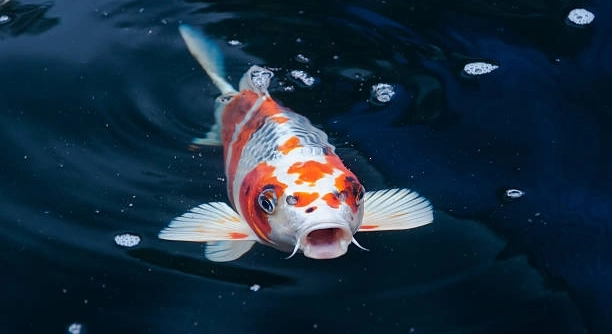
Koi fish live in environments filled with various sights, sounds, and textures they encounter every day. These elements play a key role in how koi behave and interact within their ponds. Understanding what koi recognize helps in caring for them properly.
Koi recognize specific features such as familiar plants, water movement, feeding routines, pond inhabitants, sounds, light patterns, and their human caretakers. These consistent elements shape their daily experiences and influence their comfort and responses.
Knowing these familiar cues can improve your koi’s well-being and strengthen your connection with these beautiful fish.
Familiar Plants and Pond Surroundings
Koi often recognize the plants and decorations inside their pond. These elements create a familiar setting that koi use to feel safe and calm. When plants like water lilies or reeds are part of the environment, koi tend to swim near or hide around them. This natural cover makes them feel protected from any threats. Pond owners who add consistent plants or rocks help koi feel more secure. Changing these too often can stress the fish because they rely on these landmarks. Also, the texture and shape of plants help koi identify different parts of their space. This recognition helps them navigate the pond with ease, especially when looking for food or a place to rest. Maintaining a stable environment with plants can encourage koi to explore more and show their natural behavior.
These plants and surroundings act as anchors in the koi’s daily routine, giving them a sense of place and comfort.
Understanding how plants impact koi behavior can improve pond design and fish health by reducing stress and encouraging natural activity.
Water Movement and Flow
Koi quickly notice the flow and movement of water in their pond. Water currents, bubbles from filters, and changes in water temperature create sensations koi can detect easily. These movements help koi find oxygen-rich areas and avoid stagnant spots. Consistent water flow also keeps koi active and healthy by stimulating their swimming behavior. When water flow changes suddenly, koi may become cautious or hide. The sound of running water can be soothing to koi, making them more relaxed. Owners who maintain steady water circulation help koi thrive by creating an environment similar to their natural habitats. Proper water movement also helps keep the pond clean and balanced, which benefits koi’s overall well-being.
Water flow is a simple but powerful factor that koi rely on daily for comfort and survival.
Feeding Routines
Koi quickly learn when it’s feeding time. They start to recognize the sounds or sights linked to their meals, like footsteps or the rustling of food bags. This makes them more alert and eager during feeding.
Regular feeding schedules help koi feel secure and reduce stress. They begin to associate specific times with food availability, which can improve their appetite and overall health. Changes in feeding routines may confuse or upset koi, so keeping a consistent schedule is important. Koi also recognize the type of food offered and may show preferences for certain flakes or pellets.
Over time, koi can even recognize the person who feeds them, responding eagerly when they approach the pond. This behavior shows how feeding routines build trust and familiarity between koi and their caretakers.
Interaction with Other Pond Inhabitants
Koi notice the other creatures living in their pond, such as snails, turtles, or other fish. These neighbors can affect koi behavior, either through competition or companionship. Over time, koi learn to coexist and recognize the movements and habits of other pond animals. This recognition helps koi avoid conflicts and maintain a peaceful environment. When new animals are introduced, koi may become cautious or curious, adjusting their behavior based on interactions. Watching these social patterns helps owners understand koi’s comfort level and social needs. Understanding these relationships is key to keeping a balanced pond ecosystem that benefits all inhabitants.
Sounds in the Environment
Koi become familiar with everyday sounds around their pond. They recognize noises like splashing water, footsteps nearby, and birds singing. These sounds help koi stay alert and aware of changes in their environment.
Sudden or loud noises can startle koi, but regular, gentle sounds often make them feel secure. Over time, koi learn to distinguish harmless sounds from potential threats.
Light and Shadow Patterns
Koi notice how light changes throughout the day in their pond. The shifting shadows and sunlight affect where they choose to swim or rest. Bright light can encourage activity, while shaded areas offer cool spots to relax.
Understanding how light influences koi behavior helps create a balanced pond environment where they can thrive.
Recognition of Caretakers
Koi learn to recognize their human caretakers by sight and routine. They often respond by swimming up eagerly during feeding times or when familiar people approach the pond. This recognition builds trust and makes daily interactions smoother.
How do koi recognize their feeding times?
Koi are very good at noticing routines. When feeding happens at the same time each day, koi begin to link certain signals—like footsteps near the pond, the sound of a food bag, or even shadows moving over the water—with the arrival of food. Over time, they get excited and swim toward the surface, waiting to be fed. This recognition helps koi feel secure and reduces stress because they know what to expect. If feeding times change often, koi can get confused or anxious, which might affect their appetite. Keeping a consistent schedule is the best way to help koi learn and enjoy their meals.
Why do koi respond differently to sounds?
Koi rely on sounds to understand what’s happening around them. Regular, gentle noises like water flowing or birds chirping become familiar and comforting. These sounds signal a peaceful environment, so koi remain calm and relaxed. On the other hand, sudden loud noises or vibrations can startle koi, making them swim quickly away or hide. Since koi are prey fish, they are naturally alert to any unexpected sounds that might mean danger. Over time, koi learn which sounds are safe and which need caution. This sound recognition helps koi protect themselves and adjust their behavior.
Can koi remember their caretakers?
Yes, koi can remember people who take care of them. They often associate a person’s presence with food and safety. When their caretaker approaches the pond, koi may swim eagerly to the surface, following familiar movements or sounds. This shows a level of trust and recognition. Regular interaction builds this connection, and koi may become calmer and more social around those who feed or maintain their pond. This memory is not just about food—it reflects koi’s ability to learn from experience and feel secure in their environment.
How do plants influence koi behavior?
Plants provide koi with familiar landmarks and hiding spots. Koi swim among plants like water lilies or reeds to feel protected. These natural structures break up the pond space and create areas where koi can rest or escape if they feel threatened. When plants stay the same, koi use them to navigate and explore comfortably. Removing or changing plants too often can stress koi because their familiar environment feels different. Plants also help improve water quality, making the pond healthier for koi. Overall, plants play a big role in koi’s sense of safety and daily activity.
What role does water movement play in koi’s daily life?
Water flow is very important for koi. They recognize currents and bubbles created by filters or fountains. These water movements bring oxygen and keep the pond clean, which is essential for koi health. Koi often swim toward areas with good flow because they provide fresh, oxygen-rich water. If the water flow changes suddenly or stops, koi might become cautious or hide. Consistent water movement also encourages koi to swim more, which helps keep them active and healthy. Maintaining steady water circulation creates a comfortable environment for koi.
Do koi recognize light and shadow changes?
Yes, koi notice how light and shadows shift during the day. Sunlight warms parts of the pond, encouraging koi to swim in those areas. Shadows create cooler spots where koi can rest. These patterns affect koi’s behavior, as they move to balance comfort and temperature. Bright light often increases koi activity, while shaded areas offer shelter from heat or strong sun. Pond owners who understand this can arrange plants and decorations to create a mix of light and shade, helping koi regulate their body temperature naturally.
How do koi interact with other pond animals?
Koi recognize the other creatures in their pond, like snails, turtles, or different fish species. Over time, koi learn to coexist peacefully, understanding each animal’s behavior and space. Some pond mates may compete for food, so koi watch carefully to avoid conflict. Others offer companionship, helping koi feel less alone. When new animals are introduced, koi may act cautiously or curious until they become familiar. These interactions shape koi’s daily environment, making it important for owners to maintain a balanced and peaceful community in the pond.
Why is consistency important in a koi’s environment?
Koi depend on consistency to feel safe and comfortable. Familiar plants, steady water flow, regular feeding times, and known caretakers help koi recognize their surroundings and reduce stress. Sudden changes can confuse koi, leading to hiding, reduced appetite, or stress-related health issues. Keeping the pond stable supports koi’s natural behavior and well-being. This steady environment allows koi to thrive, showing more vibrant colors and active swimming. Small details, like familiar sounds or light patterns, all add up to create a comfortable habitat that koi can trust every day.
Koi fish are more aware of their surroundings than many people realize. They notice many details in their daily environment that help them feel safe and comfortable. From the plants in their pond to the routine feeding times, koi use these familiar things to understand where they are and what to expect. This recognition helps reduce their stress and keeps them healthy. When koi recognize their caretaker, they show trust and can become more interactive, which is rewarding for those who care for them. Small things like water movement and sounds also play a big role in their daily life, guiding their behavior and helping them adapt to their environment.
Keeping a stable and consistent environment is important for koi well-being. Sudden changes can confuse or stress them, so it’s best to maintain familiar plants, steady water flow, and regular feeding schedules. These factors help koi navigate their pond easily and feel secure. When koi are comfortable, they swim actively, explore their surroundings, and show their true colors. Understanding these behaviors makes it easier to create a pond environment that supports their natural habits and long-term health. Attention to detail in caring for koi leads to happier fish and a more peaceful pond.
Recognizing what koi are aware of in their daily lives can improve how we care for them. Paying attention to their needs and environment not only benefits the fish but also enhances the overall pond experience. A balanced pond with familiar features, clear water, and gentle interaction encourages koi to thrive. This knowledge helps caretakers make thoughtful decisions about pond design, feeding, and maintenance. By respecting koi’s natural recognition and preferences, it is possible to build a harmonious space where koi can live comfortably and beautifully for many years.

Hello,
If you enjoy the content that we create, please consider saying a "Thank You!" by leaving a tip.
Every little bit helps us continue crafting quality advice that supports the health, happiness, and well-being of pets around the world, for pets of all shapes, sizes, and species.
We really appreciate the kindness and support that you show us!