
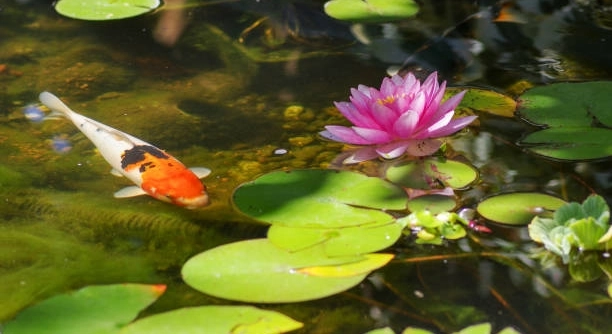
Koi are beautiful fish that change as they grow older. Many koi owners notice differences in their fish’s appearance and behavior over time. These changes can be subtle or quite noticeable as the koi age.
As koi age, they undergo several physical and behavioral changes including growth in size, color shifts, scale texture alterations, and changes in activity levels. These developments reflect natural aging processes and environmental influences on the fish.
Knowing what happens as koi age can help owners care for them better and appreciate their life stages more fully.
Size Growth and Body Changes
Koi grow steadily as they age, often reaching impressive sizes compared to their younger selves. This growth is most rapid in the first few years but can continue slowly for many years afterward. Older koi tend to have thicker bodies and more developed fins. Their muscle tone changes, which helps them swim more steadily but less quickly than when they were young. Along with size, their body shape can become rounder or more elongated, depending on their environment and genetics. Watching your koi grow can be satisfying, as it shows they are healthy and adapting well to their pond. Growth also means koi need more space and food, so adjusting care routines is important as they get larger.
The increased size affects how koi interact in the pond. Larger koi might be less active or choose calmer areas, often resting more than younger fish.
Understanding these changes helps maintain a balanced pond where koi feel comfortable throughout their life stages.
Color Changes Over Time
Koi colors often shift as the fish get older. Young koi usually have bright, vivid colors that may fade or deepen with age. Some koi lose their original patterns, while others develop new markings. These changes can be influenced by genetics, water quality, and sunlight exposure. For example, koi kept in shaded areas might have duller colors, while those in clear, sunny ponds often maintain stronger hues. Aging koi can also develop spots or blotches that were not present when they were young. This natural process is normal and does not necessarily indicate health problems. Many koi owners find these color changes fascinating because they make each fish unique as it matures.
It is important to continue proper care during these changes to keep koi healthy and vibrant.
Taking good care of water conditions and feeding a balanced diet can help koi maintain their color longer. Regular pond cleaning and avoiding stress improve the fish’s overall appearance. Sometimes, koi breeders select older fish with desirable color traits for breeding, appreciating how age affects beauty. Watching color transformation adds to the experience of keeping koi, showing how dynamic these fish are as they age.
Scale Texture and Pattern Changes
Koi scales change texture as they grow older. They may become thicker or develop a rougher feel. This change is natural and often linked to aging.
These scale changes can affect how light reflects off the fish, altering their shine and overall look. Older koi might lose some of the smoothness seen in younger fish, with scales appearing more pronounced or slightly raised. Environmental factors like water quality and diet also influence scale condition. Healthy water and good nutrition help keep scales in better shape, reducing damage or disease risks. Sometimes, older koi develop scale patterns that differ from their youth, making them unique in appearance.
It’s important to observe scale texture regularly. Changes can indicate health issues or simply the natural aging process. Taking care of water cleanliness supports healthier skin and scales over time.
Activity and Behavior Shifts
Koi tend to become less active as they age. Their swimming slows down, and they rest more often.
This behavioral change happens because older koi use energy differently. Younger fish are usually curious and energetic, exploring the pond actively. Aging koi focus more on conserving energy and may stay near shelter or favorite spots. This slower movement helps them avoid stress and injury. Changes in activity can also relate to health conditions common in older fish, such as weaker fins or mild illnesses. Paying attention to these behavior shifts can help owners adjust feeding times and pond environments to better suit older koi’s needs.
Providing calm areas and gentle water flow benefits aging koi by matching their activity level. Observing how koi move and interact ensures they remain comfortable and healthy throughout their life.
Health and Immune System Changes
As koi age, their immune system weakens, making them more vulnerable to diseases. Older fish may take longer to recover from infections or injuries.
Maintaining a clean pond and providing a nutritious diet supports their health. Regular monitoring helps catch issues early before they become serious problems.
Social Behavior Adjustments
Older koi often become less social and more independent. They may prefer solitude or smaller groups rather than mixing with younger fish. This change helps reduce stress and competition for resources, allowing aging koi to maintain their well-being in a busy pond environment.
Feeding Habits Shift
Aging koi usually eat less and may become pickier. Their metabolism slows, so they need smaller portions and softer foods that are easier to digest. Adjusting feeding routines helps keep them healthy and comfortable.
FAQ
How long do koi typically live?
Koi can live for many years, often 20 to 30 years, with some living beyond 50 years in ideal conditions. Their lifespan depends on genetics, water quality, diet, and overall care. Older koi show signs of aging but can still thrive with proper attention.
What causes color fading in older koi?
Color fading is usually a natural part of aging. Exposure to sunlight, water quality, and diet also affect how vibrant a koi’s colors stay. Some koi lose brightness while others develop new color patterns as they grow older.
Do koi stop growing at a certain age?
Koi growth slows down as they age but usually doesn’t completely stop. They grow quickly in the first few years, then more slowly. Growth depends on pond size, food availability, and genetics.
Why do older koi swim slower?
Older koi swim slower because their muscles and energy levels change with age. Slower swimming conserves energy and helps prevent injuries. This is a normal part of aging and doesn’t always mean the fish is unhealthy.
How can I help an older koi with health issues?
Maintaining clean water and feeding high-quality food helps support an older koi’s health. If you notice unusual behavior or signs of illness, consult a vet who specializes in fish. Early treatment improves chances of recovery.
Will koi always change color as they age?
Not all koi change color dramatically, but many do show some variation over time. Color changes depend on species, genetics, and environment. Some koi maintain their youthful patterns, while others develop new markings.
Are there special feeding needs for aging koi?
Yes, older koi benefit from smaller, easier-to-digest meals. Their metabolism slows, so overfeeding can cause health problems. Soft, nutritious food helps maintain their strength and supports their aging bodies.
Do koi need more space as they grow older?
Larger koi require more space to swim comfortably. Overcrowding stresses them and may worsen health. Providing enough pond space and hiding spots helps keep aging koi comfortable and less stressed.
How often should I check on older koi?
Frequent observation is important. Daily checks let you spot any changes in behavior, appetite, or appearance early. This helps catch problems before they become serious and ensures your koi remain healthy.
Can aging koi live with younger fish?
Yes, but older koi may prefer less interaction and quieter areas. Providing different zones in the pond helps both older and younger fish coexist peacefully, reducing stress and competition.
What signs show a koi is aging well?
Signs include steady, calm swimming, healthy appetite, clear eyes, and intact fins. Changes in color or size are normal, but koi should remain active and alert. Healthy skin and smooth scales also indicate good aging.
Is pond maintenance more important for older koi?
Definitely. Older koi have weaker immune systems and need clean, stable water to avoid infections. Regular pond cleaning and good filtration reduce risks and promote longevity.
Do koi need any special supplements as they age?
Some koi owners add vitamins or minerals to support aging fish. However, it’s best to consult a vet before using supplements, as balanced nutrition from food and clean water is usually enough.
How do I know if an aging koi is sick?
Watch for signs like loss of appetite, unusual swimming, clamped fins, sores, or discoloration. These symptoms indicate illness and require prompt attention to prevent worsening.
Can koi live in cold climates as they age?
Koi can survive cold weather if the pond is deep enough to prevent freezing solid. Older koi may be more sensitive to temperature changes, so maintaining stable conditions and proper pond care is crucial.
What changes in koi scale patterns mean?
Changes in scale patterns usually happen naturally as koi age. However, sudden or patchy scale loss may indicate injury or disease. Monitoring these changes helps detect health problems early.
Is it normal for older koi to be less interested in food?
Yes, aging koi often have a reduced appetite. Offering smaller portions and more frequent feedings can help. Adjusting the diet to softer, more digestible food supports their needs.
Can koi get arthritis or joint problems?
While koi don’t have joints like mammals, they can develop stiffness or mobility issues from injury or aging. Providing gentle water flow and avoiding overcrowding helps reduce strain.
How do I prepare my pond for aging koi?
Ensure water quality is stable, provide shaded areas, and create quiet spots. Regular cleaning and gentle filtration keep conditions optimal. Adapting the pond environment supports the health of aging koi.
Are there signs that koi are in pain or distress?
Signs include erratic swimming, rubbing against surfaces, lethargy, or hiding more than usual. If you notice these, check water quality and consult a specialist if needed. Early care helps improve comfort and health.
When koi age, they go through many natural changes in their size, color, behavior, and health. These changes are normal and show that your koi are growing and living their lives. Understanding what to expect as koi get older helps you take better care of them. It also allows you to appreciate their unique beauty at every stage. Older koi often look different from young fish, but that does not mean they are unhealthy. Their slower swimming, softer eating habits, and shifting colors are part of how they adapt over time. Being aware of these changes lets you provide the right environment and care that suits their needs as they grow.
Taking care of aging koi means paying close attention to their pond conditions, diet, and general behavior. Clean water and proper nutrition are very important to keep older koi healthy. As their immune systems weaken, they need extra support to avoid illness. Keeping the pond clean, maintaining good filtration, and giving balanced food can make a big difference in how well your koi age. You may also need to adjust feeding amounts and types of food to match their slower metabolism. Watching for any signs of sickness or discomfort helps catch problems early. Regular observation is a key part of koi care, especially as they get older and more vulnerable.
Koi provide years of enjoyment with their graceful swimming and beautiful colors. The changes that come with age add character to these fish and make them even more special. By learning how koi age and what to expect, you can create a peaceful, healthy environment that supports them throughout their lives. Every koi is unique, and caring for them properly means respecting their natural growth and aging process. With patience and attention, your koi can live long, healthy lives, bringing calm and beauty to your pond for many years to come.

Hello,
If you enjoy the content that we create, please consider saying a "Thank You!" by leaving a tip.
Every little bit helps us continue crafting quality advice that supports the health, happiness, and well-being of pets around the world, for pets of all shapes, sizes, and species.
We really appreciate the kindness and support that you show us!