
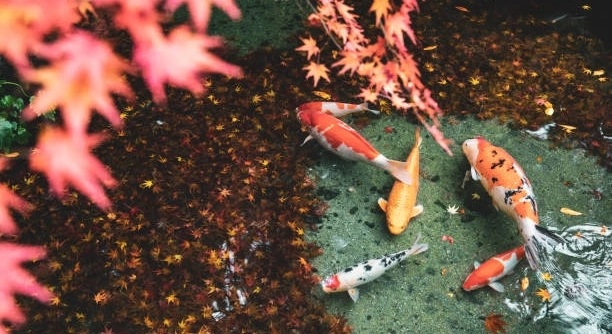
Do you ever find yourself watching your koi fish swim and wonder if there’s a reason they always seem to move together?
Koi fish often follow the same path due to social behaviors, environmental conditioning, and feeding routines. These factors create patterns in their movements that appear coordinated, reflecting both instinct and learned responses in a shared space.
Understanding these habits can give you insight into their behavior and help you create a healthier, more enriching environment for them.
What Makes Koi Fish Swim Together
Koi fish often swim in groups because it helps them feel secure. In their natural habitats, sticking together can protect them from predators. Even in a backyard pond, koi will continue this behavior. It’s how they stay calm and connected. Over time, they also learn patterns from their environment. If they’re fed in the same spot each day, they’ll return to that area regularly. When one koi begins to move in that direction, the others often follow. They respond to visual cues and subtle shifts in the water. Their behavior is not random—it’s a mix of instinct and habit. The more structured their space, the more consistent their paths will be. Social behaviors like following a leader also play a part. These behaviors don’t mean one koi is in charge, but rather that they feel more comfortable moving as a group. It’s a peaceful, coordinated way to explore their space.
This kind of movement pattern helps lower stress and supports healthy interactions between the koi.
In smaller ponds, repeated routines and limited space can also cause koi to follow familiar paths. They know where they feel safe and where food is likely to appear. Their memory is stronger than many people assume.
How to Support Their Natural Behavior
Avoid overcrowding your pond, as this can increase stress and reduce healthy movement among koi fish.
To encourage natural movement, keep your pond clean and add structure like plants or stones. These features allow koi to navigate with purpose. Feed them at the same time and place each day so they form positive routines. Make sure they have enough room to swim without bumping into one another. When koi feel relaxed, they’ll display more of their social behaviors, like moving together or gliding peacefully side by side. The water temperature and quality also matter. Poor water conditions can cause koi to act differently, often making them sluggish or restless. Keep an eye on how they respond to their surroundings. If their paths suddenly change, it may be a sign something’s off in the pond. Even subtle changes can affect their behavior. Understanding what makes them feel safe helps them stay active and content in their environment.
Why Environment Shapes Movement
The setup of your pond plays a big role in how your koi move. If the layout is open and calm, koi will swim more freely and stick to gentle patterns.
Koi fish are sensitive to their surroundings. When ponds have wide open areas with steady water flow, koi tend to swim in slow, repeated paths. If there are objects like plants, rocks, or waterfalls, koi may circle or weave around them. These objects help break up their space and keep them mentally engaged. Too many features, though, can make them feel boxed in. The lighting also affects their activity—koi usually move more when the lighting is consistent and not too harsh. Soft shadows and natural light create a relaxed environment. Watching their patterns over time can give you clues about what they prefer and what might be stressing them out in the space.
Changing even small things in the pond can shift how koi behave. Adding or removing a plant or moving a rock changes how water flows, which can affect their paths. If you place their feeding spot near a plant or stone, they may start circling that area often. Koi are quick to adapt to changes, especially when the change becomes part of a daily routine. This shows how closely tied their movement is to the structure around them.
The Role of Feeding Habits
Feeding has a strong influence on how koi swim. They learn when and where food appears, which shapes their movement every day.
Once koi associate a specific spot with feeding, they will gather there around the same time daily. Even slight shifts in feeding time can lead to visible changes in their routine. Some koi may arrive early and linger, while others follow shortly after. This creates a chain reaction where the group follows the lead of a few early movers. If you skip a feeding or feed in a new location, it can confuse them for a while. Their strong memory plays a big part in this behavior. Repetition helps form habits. Over time, koi may follow each other simply because that’s what they’ve learned to expect around food. You’ll notice this most when food is present, but it can also affect their paths even when they’re not being fed.
Learned Behavior Over Time
Koi fish begin to form movement habits by observing each other. When one starts a path, others often follow without hesitation. This repetition leads to patterns that stick over time.
They rely on memory to repeat certain routes. When something feels safe or rewarding, they’ll keep returning to it.
How Pond Mates Influence Each Other
Koi are social animals and take cues from those around them. When a few koi explore a corner or rush to a spot, the rest tend to follow. This kind of group behavior helps them feel more secure. If one fish becomes especially active or curious, others often mimic its movement. Over time, the koi begin to match each other’s patterns more closely. They start to swim together not just during feeding, but during regular movement too. When you add new koi, they may take a while to adjust before following the group’s path. Observing how koi respond to each other can help you better understand their group dynamic and the rhythm of your pond.
When Movement Suddenly Changes
Sudden changes in movement could signal stress, illness, or water quality issues. Noticing shifts early helps keep koi safe and healthy.
FAQ
Why do koi fish follow each other?
Koi fish follow each other mostly out of habit and social comfort. When one koi starts moving, others often follow because they feel safer in a group. This is a natural behavior that comes from their instincts in the wild. Over time, they also get used to patterns, such as where food appears or where they feel most calm. They begin to expect certain things at certain times, and moving as a group becomes part of their daily rhythm. Even if there’s no food or obvious reason, they may still follow each other simply because that’s what they’ve learned.
Do koi fish have a leader?
Koi don’t have one clear leader, like some animals do. Instead, leadership often shifts depending on the situation. One koi might take the lead during feeding, while another might lead when exploring a new part of the pond. These roles aren’t fixed. They often follow the first fish that moves confidently. Other koi feel safer following behind. This shifting dynamic helps reduce stress and keeps the group moving together smoothly. It’s not about dominance—just comfort and learned behavior from spending time together.
Can koi fish recognize each other?
Yes, koi fish can recognize other koi over time. They have good memories and can tell the difference between familiar and unfamiliar fish. They might not recognize each other in the same way humans do, but they can tell when a new fish enters their space. You may notice that they act differently around new additions—either more curious or more cautious. Once they’ve spent enough time together, the new fish becomes part of the group and often starts swimming in the same patterns. This familiarity can help reduce tension in the pond.
What does it mean if my koi fish suddenly stop following each other?
If koi fish stop following each other all of a sudden, it could mean something is wrong. This behavior might point to stress, illness, or changes in water quality. Check for signs like slow movement, hiding, or a lack of interest in food. Poor water conditions can affect how they act, as can temperature changes or new objects in the pond. If just one koi is acting differently, it may be sick or injured. When all your koi are changing behavior, it’s best to test the water, check your filter, and monitor their feeding and energy levels closely.
Do koi follow each other only during feeding?
No, koi don’t follow each other just because of food. While feeding routines do create strong movement patterns, koi also move together outside of mealtime. They swim in groups when they’re relaxed or exploring. It’s part of how they bond and feel secure. You might even notice them gliding around the pond together in the evening or staying close to one another in shaded areas during the day. This movement helps them stay calm and connected. If food was the only reason, their grouping would stop after meals—but it doesn’t.
Can koi be trained to follow certain paths?
Yes, koi can be gently trained to follow certain patterns. Feeding is the easiest way to do this. If you always feed them in the same spot at the same time, they’ll start heading that way on their own, even before food appears. You can also shape their environment to encourage paths—placing plants or stones in certain areas will naturally guide their movement. Koi learn from repetition. The more consistent you are, the more likely they’ll stick to the path you’ve helped create. Just keep in mind that sudden changes can confuse them at first.
Will new koi learn the same habits as the others?
Most new koi will slowly adapt to the group’s habits. At first, they might seem out of sync or hesitant. They’ll take time to learn where the group feeds and where the others like to swim. Once they’ve spent enough time in the pond, they usually begin copying the behaviors of the more established koi. If your current group has a steady routine, the new koi will likely fall into that same rhythm. Just give them time and make sure the pond setup makes it easy for them to feel safe and comfortable.
Final Thoughts
Watching koi fish move together can feel calming and even a little mysterious. But their behavior isn’t random. It’s shaped by their instincts, memory, and daily habits. Koi follow each other because it makes them feel safe. In the wild, swimming in a group helps protect them. In a pond, they keep doing this because they’ve learned it brings comfort and food. Over time, they get used to their environment and begin to repeat the same paths. If one fish starts moving, the others usually follow. This kind of behavior is normal and shows that your koi feel secure in their space.
Their environment plays a big part in how they move. The shape of the pond, the placement of rocks or plants, and even the lighting can guide their patterns. Feeding routines also matter. If they’re fed at the same place every day, they’ll start to gather there even before food appears. This kind of learned behavior shows that koi have strong memories and are quick to adjust to routines. When new koi are added, they might act differently at first. But over time, they usually begin to follow the group and learn the same habits. It’s a slow process, but one that happens naturally with patience.
If your koi suddenly stop moving together or change their behavior, it may be a sign that something is off. This could mean poor water quality, illness, or stress. Watching how they swim each day can help you spot problems early. But in most cases, group movement is a good sign. It means your koi feel safe and relaxed. Helping them maintain these patterns is simple—keep their pond clean, feed them regularly, and avoid sudden changes. When koi feel comfortable in their environment, they thrive. Their movement becomes steady, their colors stay bright, and they stay active. So, even though following the same path might seem like a small thing, it says a lot about their health and comfort. Keeping an eye on these patterns can help you care for your koi in a calm and thoughtful way.

Hello,
If you enjoy the content that we create, please consider saying a "Thank You!" by leaving a tip.
Every little bit helps us continue crafting quality advice that supports the health, happiness, and well-being of pets around the world, for pets of all shapes, sizes, and species.
We really appreciate the kindness and support that you show us!