
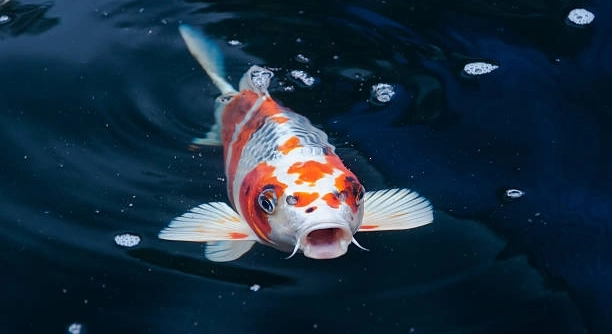
Koi fish are known for their calm and graceful presence in ponds. However, they can become easily startled by sudden changes or unexpected stimuli in their environment. Understanding these triggers helps keep koi peaceful and healthy.
Several factors can startle koi unexpectedly, including sudden movements, loud noises, shadows, water disturbances, unfamiliar objects, abrupt changes in light, and nearby predators. Each of these can trigger a stress response, affecting koi behavior and overall wellbeing.
Recognizing what may startle koi allows for better care and a more serene pond environment. This article will help identify common causes and ways to minimize stress for your koi.
Sudden Movements Around the Pond
Koi are very sensitive to quick movements near their habitat. When someone suddenly walks by or waves a hand, koi may dart away quickly. This reaction comes from their natural instinct to avoid predators. Even small animals or birds flying nearby can cause koi to panic and hide. Frequent disturbances like this can stress the fish, affecting their appetite and immune system. It is best to move slowly and calmly when near the pond. Observing koi quietly helps them stay relaxed and comfortable. Creating some buffer space around the pond also reduces sudden movement exposure.
Sudden movements often cause koi to hide behind plants or decorations to feel safe.
Keeping the area around the pond calm helps koi maintain a peaceful environment. Minimizing quick motions reduces their stress levels and supports their health over time.
Loud Noises and Vibrations
Loud sounds such as barking dogs, lawnmowers, or construction noise can startle koi. The vibrations caused by these noises travel through the water and disturb them. Koi rely on calm conditions, and noise pollution interferes with their sense of safety. Prolonged exposure to loud sounds can cause koi to become more skittish and less willing to feed. Providing natural sound barriers like shrubs or installing a water feature with gentle flowing water can mask sudden loud noises.
Noise affects koi behavior and their overall wellbeing.
Reducing noise near the pond is crucial for koi health. Loud disturbances create an unsafe environment and increase stress, which may lead to illness. It is important to place the pond away from noisy areas or use landscaping to soften sound. A quiet space helps koi feel secure and remain calm throughout the day. By controlling noise levels, koi are less likely to be startled and more likely to thrive in their habitat.
Shadows and Reflections
Koi can be easily startled by sudden shadows or reflections on the water’s surface. These changes often make them think a predator is nearby.
Shadows from passing birds, trees, or people can create quick shifts in light that unsettle koi. Reflections from shiny surfaces or moving objects nearby can confuse them as well. Since koi rely on clear water and predictable surroundings, unexpected shadows make them wary. Keeping the pond area free from reflective materials and limiting overhead movements can help reduce this stress. Adding plants around the pond’s edges also softens harsh light and minimizes sudden shadow changes.
Managing light and shadow around the pond contributes to koi comfort. Simple adjustments in landscaping and careful placement of decorations reduce surprises that cause koi to dart or hide.
Water Disturbances
Unexpected ripples or splashes can alarm koi quickly. Water disturbances from wind, rain, or falling leaves can cause sudden changes in their environment. Koi are adapted to calm water, so sharp disturbances disrupt their sense of safety. Mechanical devices like pumps or filters may also create noise and movement that startle koi if not placed properly. Positioning water features away from koi resting areas helps reduce these effects.
Water disturbances create an unstable environment that increases koi stress levels.
To minimize disturbances, it is important to keep the water surface as smooth as possible. Using protective plants and sheltering pumps can soften the impact of wind and equipment noise. Maintaining a balanced water flow supports koi comfort and prevents frequent startle responses. With careful management of water movement, koi are more likely to remain calm and healthy.
Unfamiliar Objects in the Pond
Koi may become startled when new objects appear suddenly in their environment. Items like decorations, toys, or even fallen branches can make them nervous.
Introducing new objects slowly helps koi adjust. Sudden changes can disrupt their sense of safety, so gradual exposure is best.
Abrupt Changes in Light
Koi respond strongly to sudden shifts in lighting, such as lights turning on or off quickly. This can cause them to scatter or hide. Maintaining consistent lighting or gradual changes reduces stress and keeps koi calm throughout the day.
Presence of Predators
Predators nearby, such as herons or cats, cause koi to panic quickly. These animals trigger an instinctive fear response, making koi dart for cover or stay hidden for long periods.
FAQ
What should I do if my koi get startled often?
If your koi are frequently startled, first check their environment for sudden movements, loud noises, or new objects. Try to limit disturbances by creating a calm, quiet area around the pond. Move slowly when near the pond to avoid sudden shadows or quick motions that scare them. Providing plenty of plants and hiding spots helps koi feel secure. Also, maintain steady water flow and avoid abrupt changes in light or water conditions. Over time, koi will adjust better if their surroundings remain predictable and calm.
Can startled koi get sick?
Yes, frequent stress from being startled can weaken koi’s immune systems, making them more vulnerable to illnesses. Stress increases the production of stress hormones, which reduce their ability to fight infections. Prolonged stress can also cause poor appetite and slower healing. Keeping koi in a peaceful environment with minimal disturbances helps protect their health and supports a stronger immune system.
Are some koi more sensitive than others?
Yes, individual koi vary in temperament and sensitivity. Younger koi or newly introduced fish tend to be more easily startled than older, well-established ones. Some koi breeds may also have different temperaments. Observing your koi’s behavior helps you understand their unique needs and how much disturbance they can tolerate.
How can I reduce noise around my koi pond?
To reduce noise, consider adding natural barriers like shrubs, fences, or trees to block sounds from traffic or loud machines. Using a gentle water feature, like a small waterfall or fountain, can mask sudden noises with consistent, soothing water sounds. Positioning the pond away from noisy areas, such as roads or playgrounds, also helps. Regular maintenance of pumps and filters reduces mechanical noise that can startle koi.
Will koi get used to shadows and reflections?
Koi can adapt to shadows and reflections if these changes happen gradually and consistently. Sudden or irregular shadows may cause panic, but slow exposure helps them learn what is normal. Using plants and natural shading can reduce harsh light and minimize sharp contrasts on the water surface, allowing koi to feel more comfortable.
What are the signs that koi are stressed from being startled?
Stressed koi may swim erratically, hide more often, or refuse to eat. They might also show changes in color, develop clamped fins, or become lethargic. Frequent darting or jumping out of the water are other signs of anxiety. Monitoring koi behavior regularly helps detect stress early and prevent health problems.
How often should I check my pond for things that might startle koi?
Regular checks, at least once a week, help identify new disturbances such as fallen leaves, debris, or changes in surroundings. After storms or windy days, inspect the pond for sudden water disturbances or added objects. Keeping the pond clean and stable ensures a safe environment and reduces unexpected stressors for koi.
Can predators be prevented from disturbing koi?
Yes, installing pond netting or protective covers can keep birds and other predators away. Creating hiding spots with plants, rocks, or underwater shelters gives koi places to escape if predators approach. Motion-activated lights or deterrents can also discourage animals from coming close. Maintaining these protections reduces sudden fear responses and helps koi stay calm.
Is it normal for koi to hide after being startled?
Yes, hiding is a natural coping mechanism for koi after they feel threatened. They seek cover to feel safe until the danger passes. Providing plenty of shelter in the pond supports this behavior and helps koi recover from stress faster. Over time, koi will feel more secure if hiding spots are available.
Does water temperature affect how easily koi get startled?
Water temperature can influence koi activity and sensitivity. In colder water, koi are generally slower and less reactive. In warmer water, they tend to be more active and may react more quickly to disturbances. Keeping water temperature stable within the ideal range for koi reduces sudden reactions and supports overall wellbeing.
Final thoughts on understanding what can startle koi are important for maintaining a healthy pond environment. Koi are sensitive creatures that react quickly to changes around them. Whether it is sudden movement, loud noise, or changes in light and water, these factors can cause stress. Recognizing these triggers helps in creating a calm space where koi feel safe and secure. A peaceful environment supports their health, encourages natural behavior, and reduces the risk of illness.
It is essential to pay attention to the pond’s surroundings. Small details like shadows, reflections, and new objects can make a big difference to koi comfort. Providing hiding spots with plants and decorations allows koi to retreat when they feel threatened. This simple step reduces stress and promotes a sense of safety. Keeping the water clean and calm also prevents unnecessary disturbances. Controlling noise levels and avoiding abrupt changes in the pond’s environment further supports koi wellbeing. These efforts contribute to a balanced habitat where koi can thrive without constant fear or alarm.
Lastly, understanding koi behavior is key to caring for them properly. Watching how koi respond to different situations offers clues about their stress levels and comfort. Taking steps to reduce common stressors improves their quality of life. This also makes caring for koi more rewarding, as healthy, relaxed fish are more active and vibrant. Maintaining a steady routine, ensuring the pond is quiet, and making gradual changes when needed will help koi adjust and feel secure. Thoughtful care and attention lead to a peaceful pond where koi can live long, healthy lives.

Hello,
If you enjoy the content that we create, please consider saying a "Thank You!" by leaving a tip.
Every little bit helps us continue crafting quality advice that supports the health, happiness, and well-being of pets around the world, for pets of all shapes, sizes, and species.
We really appreciate the kindness and support that you show us!