
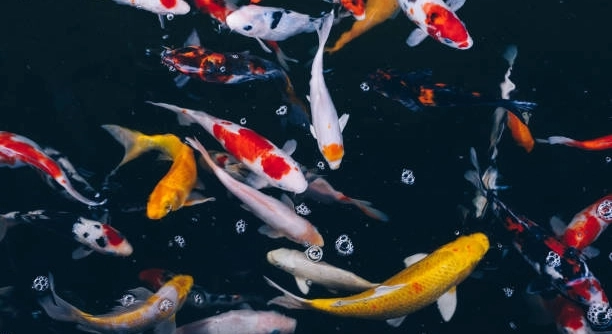
Have you ever noticed your koi acting differently and wondered what it might mean for their overall well-being and comfort? Understanding koi mood can help you support their health and create a better pond environment.
Koi behavior offers important clues about their mood and overall health. By observing body posture, swimming patterns, social interaction, and appetite, you can gauge how your koi are feeling and respond to their needs appropriately.
These seven simple observations can give you insight into your koi’s emotional state and help ensure they thrive in your care.
Changes in Swimming Patterns
Koi often express their mood through how they swim. Erratic movements, sluggishness, or isolating themselves can signal stress or discomfort. Healthy koi swim smoothly and confidently, either alone or with others. Watch for unusual pacing or sudden darting, which may indicate irritation or fear. Koi that hover near the surface or bottom for long periods might be tired, overwhelmed, or unwell. These behavioral shifts can stem from environmental changes such as poor water quality, a sudden drop in temperature, or loud disturbances. Even small adjustments in their surroundings can impact their comfort and behavior significantly. Maintaining consistent conditions helps prevent these changes.
If your koi begin swimming differently, do not ignore it. Quick action can help restore their comfort and prevent further issues.
Observing your koi consistently helps you spot patterns early. It gives you the chance to correct imbalances and ensure they remain active, alert, and content in their pond.
Appetite and Feeding Response
Koi that suddenly stop eating may be stressed or unwell. A healthy koi shows interest in food and eats regularly. Sudden disinterest in meals can be one of the first signs something is wrong.
Feeding response is one of the easiest ways to assess koi mood. When koi are relaxed and healthy, they approach feeding time with noticeable energy. They swim to the surface eagerly, sometimes even competing for food. If you notice your koi hiding or eating much less than usual, it may signal an environmental issue, health concern, or even changes in social behavior within the pond. Seasonal changes can also impact appetite, especially when water temperatures drop. Always check the water parameters, as poor quality can cause discomfort and reduce feeding activity. When water quality is ideal and the koi are still not feeding, a closer look at potential infections or internal stress factors may be necessary. Consistent eating habits are a reliable sign of stability and comfort.
Changes in Body Posture
Koi body posture can reflect how they feel. A koi that clamps its fins, tilts to one side, or stays rigid is likely uncomfortable. These signs often appear before more obvious symptoms of stress or illness.
A relaxed koi swims with fluid movement and holds its fins open. When something is off, fins may clamp tightly to the body, and the fish might hover in place or lean at an angle. These postural changes could be linked to water quality, parasites, or injury. Even poor oxygen levels can cause koi to behave this way. Carefully checking for changes in water temperature, pH levels, and ammonia can reveal what may be bothering them. Sudden shifts in posture should be taken seriously, especially if they persist for more than a day.
If several koi begin showing similar signs, it could suggest a shared issue in their environment. Acting early can prevent bigger problems. Keep a regular maintenance routine and avoid abrupt changes in their pond space. Monitoring behavior daily builds a stronger understanding of what is normal and when something might be wrong.
Interaction With Other Koi
Social behavior among koi is usually calm and balanced. If a koi becomes withdrawn or overly aggressive, it could be reacting to stress or environmental discomfort.
Koi enjoy group interaction and typically swim together in harmony. A koi that isolates itself or chases others constantly may be expressing unease. Isolation can suggest the fish is unwell or not comfortable with something in its surroundings. Aggression, although rare, may occur due to limited space, overcrowding, or changes in the group dynamic. These shifts are often subtle but important. Observe how koi respond when new fish are introduced or during changes in feeding schedules. If social behavior changes suddenly, look into water conditions, space availability, and possible health issues. Maintaining a calm, balanced environment helps reduce stress and supports positive interaction. Careful attention to koi relationships can reveal early warnings about mood or physical health.
Reaction to Human Presence
Koi that are used to a calm environment often respond to humans with gentle curiosity. If they begin hiding or acting startled, it may reflect discomfort, stress, or a shift in trust.
Sudden fear or avoidance can be caused by recent handling, loud sounds, or shadows over the pond.
Breathing Behavior
Watching how your koi breathe gives insight into their mood and health. Rapid gill movement or gasping at the surface may signal poor water quality, low oxygen, or illness. Calm, steady breathing suggests comfort and stability. Always check ammonia, nitrite, and oxygen levels when changes in breathing appear.
Color Vibrancy
A healthy koi shows rich, bright coloring. If their colors begin to fade or appear dull, it could be a sign of stress or poor water conditions.
FAQ
How can I tell if my koi are stressed?
Stressed koi usually behave differently than usual. They may swim erratically, isolate themselves, clamp their fins, or gasp near the surface. Color may also fade, and their appetite might drop. If these signs appear, start by checking water quality and temperature. Sudden changes in the pond environment—like a storm, new fish, or loud disturbances—can also cause stress. Keep a close eye on how long these behaviors last. If they continue for more than a day or two, take action quickly. Consistent behavior tracking helps you spot problems early and keeps your koi comfortable and safe.
Why are my koi hiding all of a sudden?
Koi often hide when something in their environment feels unsafe or unfamiliar. This could be due to recent changes in weather, a new object in the pond, or loud activity nearby. It can also indicate illness or pain. If your koi are suddenly hiding under plants, rocks, or ledges, observe them closely during feeding time. If they’re not eating or still hiding the next day, test your water. Low oxygen or poor water quality often causes koi to retreat. Adding aeration, providing shade, and removing stress triggers can help them feel more secure.
Do koi get lonely or need other koi to be happy?
Koi are social fish and do best when kept in groups. While they don’t bond the way mammals do, koi interact with each other and seem to enjoy swimming together. A single koi may become more skittish or inactive. Keeping multiple koi allows for social stimulation and creates a more natural pond environment. If you’re noticing signs of withdrawal in one koi, it might be reacting to a change in group behavior or health. Be sure to provide enough space for all koi, as overcrowding leads to stress and can affect mood and behavior.
What should I do if one koi is being aggressive?
Occasional chasing can be normal, especially during mating season. However, persistent aggression—like biting or bullying—can stress out other fish and even lead to injury. Make sure your pond isn’t overcrowded and that each fish has enough space. Stress from poor water conditions can also trigger aggression. Watch how the group interacts, and check for signs of injury or hiding in other koi. Separating the aggressive koi temporarily may help. In some cases, rearranging the pond or introducing more hiding spots can reduce territorial behavior and bring back a calm atmosphere.
Can mood changes be seasonal?
Yes, koi behavior often shifts with the seasons. During cooler months, koi become slower, eat less, and may rest near the bottom. This is normal as their metabolism slows down in cold water. In warmer months, koi are more active and social. Breeding behavior can also increase in spring, which may cause chasing or restlessness. Seasonal changes in pond temperature, sunlight, and water chemistry all influence koi mood. Make adjustments to feeding, aeration, and water care throughout the year to match their changing needs. Monitoring behavior as seasons shift helps you stay ahead of potential issues.
Is it possible to bond with koi?
Yes, koi can learn to recognize their caretakers and respond to regular interaction. If you feed them gently and consistently, they often start to associate you with positive experiences. Some koi will even eat from your hand or swim near you when you approach the pond. Building trust takes time and calm movements. Avoid reaching into the pond too suddenly, as it can scare them. While koi may not bond in the same way pets like dogs do, they are capable of recognizing patterns and reacting to familiar voices or routines in their own way.
Do lighting and noise affect koi mood?
Bright lights and sudden loud sounds can disturb koi and cause stress. Koi prefer a calm, quiet environment with natural lighting. Too much artificial light, especially at night, can interrupt their rest and increase anxiety. Similarly, loud music, construction sounds, or heavy foot traffic near the pond may trigger hiding or erratic swimming. Providing plants or shaded areas helps soften light and reduce visual stress. If your pond is near a noisy area, try adding barriers like plants or fences to create a buffer. A peaceful pond environment helps koi stay calm and active.
Final Thoughts
Observing koi behavior can feel rewarding once you begin to understand their patterns. These fish are sensitive to their environment, and small changes in mood are often a response to something happening around them. By paying attention to how they swim, feed, and interact, you can learn a lot about their overall health. Koi may not be able to speak, but their body language and habits can show when something is off. Knowing what to look for gives you the chance to act quickly and prevent problems from growing. Mood shifts in koi are often early signs that help guide your next steps.
Taking time to learn their normal behavior is key. Once you know what your koi look and act like on a good day, it becomes easier to spot when things are not quite right. Sometimes it’s a change in appetite, sometimes it’s the way they separate from the group. These little things might not seem like much at first, but they can mean something important. Watching your koi daily—even for a few minutes—makes a difference. You don’t need to be an expert to notice when something feels off. Regular observation builds confidence and helps you feel more in control.
Keeping koi isn’t just about feeding them and cleaning the pond. It’s about creating a space where they feel secure, supported, and calm. Mood matters because it reflects their well-being. Whether it’s hiding, chasing, or simply floating more than usual, every action tells you something. A peaceful pond and a group of relaxed koi are signs that your care is working. And if things change, you’ll be ready to respond with the right adjustments. Clean water, proper food, safe surroundings, and patience all play a role. With time, your koi will become more trusting, and you’ll grow more in tune with them.

Hello,
If you enjoy the content that we create, please consider saying a "Thank You!" by leaving a tip.
Every little bit helps us continue crafting quality advice that supports the health, happiness, and well-being of pets around the world, for pets of all shapes, sizes, and species.
We really appreciate the kindness and support that you show us!