
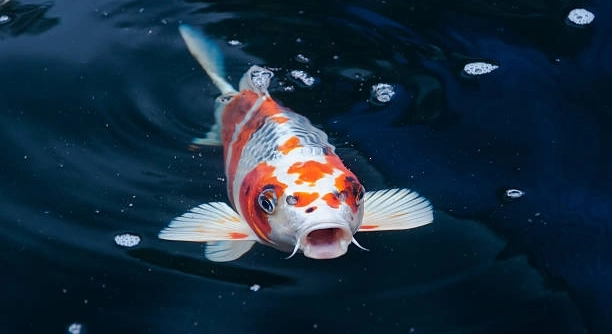
Have you ever noticed your koi acting strangely, like swimming backward instead of forward? It might seem odd at first, especially if it happens frequently or suddenly in your pond.
Koi swimming in reverse is usually caused by neurological issues, stress, or water quality problems. These conditions can affect their coordination, leading to abnormal swimming behavior. Identifying the root cause early is important for proper treatment and care.
Recognizing the signs early can help you protect your koi and maintain a healthy pond environment for them to thrive.
Why Koi Might Swim Backward
Koi swimming in reverse can be linked to a few different issues. Poor water quality is often the first thing to check—ammonia spikes, pH imbalance, or low oxygen can impact how your koi behave. Stress from sudden temperature shifts or aggressive tank mates might also trigger strange movements. Another possibility is a neurological or swim bladder disorder, both of which can affect a koi’s ability to navigate normally. In some cases, parasitic infections or internal damage may lead to discomfort, causing them to swim in reverse. Observing your koi closely can help you spot these changes early.
Keep in mind that reverse swimming is not natural behavior and shouldn’t be ignored.
When you notice this behavior, start by testing the water and checking for other signs of stress or illness. Make sure filtration is working properly and oxygen levels are stable. If the issue continues, consult a vet who specializes in fish.
How to Help Your Koi Recover
Start with a quick water test. Test for ammonia, nitrite, nitrate, and pH. A sudden change in these can stress your koi quickly.
Once you’ve ruled out water quality as the issue, take time to monitor your koi’s eating habits, posture, and interaction with others. Look for floating debris, algae buildup, or uneaten food in the pond, which could point to a larger problem. Try doing a partial water change to refresh the environment and remove harmful substances. Check the filter system to ensure it’s functioning efficiently. Avoid overcrowding the pond and make sure your koi have enough space to swim freely. If you notice persistent symptoms like tilted posture, bloating, or loss of appetite, these may indicate a deeper issue like a bacterial or parasitic infection. In such cases, it’s best to isolate the affected koi and seek advice from a vet who can offer proper diagnosis and treatment.
Common Signs to Watch For
Koi that swim backward may also show signs like twitching, floating oddly, or resting too much at the bottom. These changes often mean something deeper is going on, especially if the behavior becomes frequent or lasts more than a day.
Other signs include lack of appetite, swimming in circles, or sudden darting motions. Some koi might rub against objects or isolate themselves, which can point to irritation or discomfort. Faded colors or ragged fins might suggest infection or stress. Watch their breathing too—rapid gill movement can mean low oxygen or water problems. Keeping track of these changes can help you catch a problem early. Don’t ignore little differences in how your koi act from day to day. If multiple fish are affected, the issue is likely environmental. If it’s just one, the cause may be injury or illness. Either way, it’s best to act sooner rather than later.
Behavior changes are often the first sign of illness before physical symptoms show up. Swimming in reverse may be an early warning that your koi is struggling. Pay attention to the overall energy level and how your koi responds when you approach. If it seems sluggish, unbalanced, or reactive in strange ways, these could be signs of internal stress. Try recording their behavior and comparing it over a few days to spot patterns. Note how often your koi reverse-swims, when it happens, and what’s going on around them at the time. This kind of observation can give you helpful clues and make vet consultations more productive. Keep your environment clean, quiet, and consistent while you investigate.
When to Involve a Vet
If your koi’s behavior continues for several days or worsens, it’s time to consider professional help. Some conditions, especially internal ones, can’t be treated with water changes or simple care routines. A vet can perform diagnostics and offer a proper treatment plan.
Persistent reverse swimming, especially if paired with weight loss, bloating, or odd gill movement, could signal a bacterial or parasitic infection. A vet may recommend lab tests, imaging, or medication depending on the findings. If your koi has suffered physical trauma, treatment could include anti-inflammatories or minor procedures. Try to document what you’ve seen—times, symptoms, water conditions, and any changes made—so you can share a clear picture with the vet. In the meantime, keep your koi in a low-stress environment with clean water, good aeration, and minimal disturbances. Vets who specialize in fish care may not be common, but contacting local aquaculture centers or koi breeders can lead you to someone qualified.
Preventing Future Issues
Regularly test your water for ammonia, nitrite, nitrate, and pH levels. Keep them within safe ranges and perform water changes when needed. A clean, stable pond helps reduce stress and lowers the chance of strange behaviors like reverse swimming.
Feed your koi a high-quality diet in moderate portions. Overfeeding can affect water quality and lead to digestion issues. Make sure the pond is well-aerated and has enough space for all koi to move freely. Avoid sudden changes in temperature or water chemistry, as these can upset your koi’s health quickly.
Adjusting the Environment
Check your pond setup for sharp objects or rough surfaces that could injure your koi. Make sure the filtration system is running smoothly and isn’t causing strong currents. Add plants or shaded areas to give your koi places to rest. These small changes can help keep your koi calm and comfortable.
Watch for Patterns
Track when the behavior happens and what changed around that time. This can help you find a possible cause.
FAQ
Why would a koi fish suddenly start swimming in reverse?
Reverse swimming is often a sign of stress or an internal problem. It can be caused by poor water conditions, swim bladder disorders, or infections. If your koi suddenly starts moving backward, check for other symptoms like floating issues, odd posture, or a lack of appetite. A quick water test is a good place to start. Make sure oxygen levels are high enough and temperatures are within a safe range. If the behavior continues, it may be necessary to isolate the fish and consult a vet, especially if other koi are acting normally.
Is reverse swimming always a medical emergency?
Not always, but it should never be ignored. A one-time event could be due to temporary confusion or minor irritation, like a reaction to something floating in the water. However, if the behavior continues or happens alongside other issues—like clamped fins, gasping at the surface, or staying near the bottom—it likely points to a more serious problem. You don’t need to panic, but you should start observing and checking your water parameters right away. Early detection makes a big difference, especially for internal infections or swim bladder complications.
Can poor diet cause a koi to swim in reverse?
Yes, it can. If koi are overfed or given food that’s too high in fat or hard to digest, they may develop swim bladder problems. This organ helps fish maintain balance, and when it’s affected, swimming becomes difficult. Some koi may float, sink, or swim oddly—like in reverse. Always use high-quality koi food and feed in small amounts. If you suspect a diet-related issue, try switching to an easy-to-digest, high-fiber food for a few days. You can also skip feeding for 24–48 hours to give their system a break.
Could reverse swimming be related to pond equipment or layout?
Yes, strong water currents caused by pumps, filters, or fountains may lead to unnatural swimming patterns. If the flow is too powerful, smaller or weaker koi might struggle to move normally. Try adjusting your pump’s placement or using flow deflectors to reduce pressure. Also check for tight corners, sharp rocks, or crowded spaces that could cause stress or accidental injury. Koi need space to swim freely, so making the layout more open can reduce odd behaviors.
How long should I observe the koi before taking action?
If your koi swims backward just once, give it a few hours and see if it returns to normal. However, if the behavior continues for a full day or comes with other warning signs—like poor appetite or isolation—it’s best to take action quickly. Start with water tests, check for visible injuries or symptoms, and consider temporarily isolating the fish in a separate tank. Trust your instincts. You know what’s normal for your koi. Any change that feels off probably is.
What treatments help with swim bladder issues in koi?
Swim bladder disorders can be tricky, but there are a few things that help. First, stop feeding for 24–48 hours. Then, offer easily digestible foods like shelled peas or soft gel foods. Keep the water clean and stable, with low ammonia and nitrite levels. Some fish benefit from shallow water in a separate tank where it’s easier to balance. If you suspect infection, a vet may recommend antibiotics. Avoid treatments without a clear diagnosis, especially strong medications that can harm your koi’s internal organs or pond bacteria.
Can reverse swimming be a sign of aging in koi?
Older koi sometimes develop balance issues or slower responses, especially in cold temperatures. While reverse swimming is less common in aging alone, it can appear along with stiffness, slower feeding, or more time resting near the bottom. Keep the environment gentle and consistent. Older koi often benefit from softer foods and less competition during feeding time. Still, don’t assume it’s just aging—rule out illness or injury first, especially if the change was sudden.
Will reverse swimming spread to other koi?
The behavior itself doesn’t spread, but if it’s caused by poor water conditions, then yes, other koi can be affected over time. One koi may show symptoms first, while others follow later. Bacterial or parasitic infections can also spread, especially in overcrowded or stressed ponds. If more than one fish begins acting strangely, test your water immediately and consider a broad health check. Isolate any fish showing strong symptoms until you get a clearer idea of the cause.
Can koi recover from reverse swimming behavior?
Yes, many koi recover completely, especially if the issue is caught early. Once the cause is fixed—whether it’s poor water, bad diet, or infection—the behavior usually stops. Some koi bounce back within a day or two. Others may take longer if treatment is needed. The key is acting quickly and giving your koi a stable, quiet space to heal. Avoid overhandling, monitor progress, and stick to gentle routines. Patience and consistency go a long way in helping your koi return to normal.
Final Thoughts
Koi swimming in reverse isn’t something you see every day. It might seem unusual, but it’s often a sign that something isn’t right. Whether it’s a water issue, a health problem, or even a reaction to stress, reverse swimming should be taken seriously. Watching how your koi behave is one of the best ways to know if they’re healthy. Any sudden change in movement, especially something like backward swimming, is worth checking. It’s not always a reason to panic, but it does mean it’s time to look more closely at your pond setup, water quality, and the overall health of your fish.
Keeping the pond clean and stable is key to preventing most of these problems. Make sure the water is tested often and stay on top of filter maintenance. A balanced diet also helps avoid swim bladder issues, which can cause swimming troubles. If one koi starts acting odd, isolate it if needed, and observe it carefully. Look for other signs like clamped fins, loss of appetite, or sitting near the bottom. These little clues can tell you a lot. Acting early can prevent bigger issues and might even save the fish. It’s all about staying aware and making small changes quickly when needed.
In the end, koi are peaceful fish that rely on good care to stay healthy. Reverse swimming might seem strange, but it’s usually fixable. Once the cause is found and corrected, most koi go back to swimming normally. Don’t ignore changes, but don’t overreact either. Pay attention, keep things clean, and keep feeding simple and consistent. Koi tend to thrive when their environment stays steady. Just by checking on them regularly and keeping an eye out for odd behavior, you can prevent many problems. Simple habits go a long way in keeping your koi healthy and your pond balanced.

Hello,
If you enjoy the content that we create, please consider saying a "Thank You!" by leaving a tip.
Every little bit helps us continue crafting quality advice that supports the health, happiness, and well-being of pets around the world, for pets of all shapes, sizes, and species.
We really appreciate the kindness and support that you show us!