
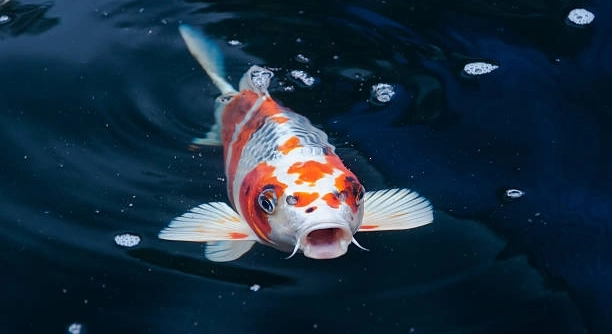
Koi fish are beautiful creatures that many people enjoy keeping in outdoor ponds. However, harsh sunlight can affect their health in several ways. Understanding these effects can help koi owners protect their fish better.
Harsh sunlight can cause stress, skin damage, algae growth, water temperature rise, oxygen depletion, weakened immune response, and changes in behavior in koi fish. These effects may harm their overall health and pond environment, requiring careful management and monitoring.
Knowing the impact of strong sunlight helps koi enthusiasts maintain a safe and comfortable habitat for their fish throughout the year.
Stress from Excessive Sunlight
Koi fish can get stressed when exposed to too much sunlight. Bright, intense light increases their activity levels, which uses more energy and can tire them out. Stress weakens their immune systems, making them more vulnerable to infections and diseases. When koi are stressed, they may swim erratically or hide more often. Stress also affects their appetite, sometimes causing them to eat less. Over time, this can impact their growth and overall health. It’s important to provide shaded areas in the pond, such as floating plants or pond covers, to give koi a place to rest away from direct sun. Monitoring water temperature and sunlight exposure can help reduce stress and keep koi comfortable. Adjusting the pond environment according to the season helps maintain a balanced habitat, which is key to healthy fish.
Stress weakens koi immune defenses and can lead to health problems. Providing shade is a simple way to reduce this stress.
Creating a shaded pond environment not only helps prevent stress but also supports a stable ecosystem. Floating plants like water lilies block sunlight and cool the water. Shade structures or pond covers can also protect koi during the hottest parts of the day. Keeping water temperature stable prevents sudden changes that add to stress. Regularly checking the fish for signs of stress or illness lets you act quickly if problems arise. Overall, controlling sunlight exposure helps koi live longer, healthier lives.
Skin Damage and Sunburn
Sunlight can cause skin damage to koi fish. Prolonged exposure to UV rays can lead to sunburn, which appears as red or pale patches on their skin. This damage can make koi more prone to infections.
Koi with sunburn may develop sores or lesions, weakening their natural protective barrier. It’s important to watch for changes in skin color or texture. Using natural shading or installing pond covers can minimize harmful UV exposure. Healthy skin is crucial for koi to stay disease-free and active. Preventing sunburn helps koi maintain their vibrant colors and overall well-being.
Algae Growth and Water Quality
Excessive sunlight encourages algae growth in koi ponds. Algae use sunlight to multiply quickly, which can reduce water quality and oxygen levels.
Algae blooms block sunlight from reaching deeper water and plants, upsetting the pond’s balance. When algae die, they decompose and consume oxygen, leaving less for the koi. Low oxygen can cause koi to gasp at the surface or become lethargic. Controlling sunlight by adding shade or aquatic plants can help limit algae growth. Regular pond maintenance, like removing debris and using filters, also supports clean water. Managing algae is essential for keeping koi healthy and the pond environment stable.
Too much algae can make the water green and murky, affecting koi visibility and enjoyment. Balancing sunlight and plants keeps the pond clear and safe for fish.
Water Temperature Rise
Sunlight heats the pond water, raising temperatures quickly. Koi fish are sensitive to temperature changes, and too much heat can be harmful.
High water temperature lowers oxygen levels, stressing koi and causing faster metabolism that demands more food. Warm water also speeds up bacteria and parasite growth, increasing disease risk. Sudden temperature shifts can shock koi, leading to health problems or death. Providing shade and increasing water circulation through fountains or aerators help keep temperatures stable. Monitoring temperature daily, especially in summer, allows prompt action to protect the fish. Stable water temperature creates a healthier environment for koi to thrive.
Heat can also shorten koi lifespan if left unchecked. Cooling the pond and offering shaded areas help koi stay comfortable year-round.
Oxygen Depletion
Strong sunlight warms the pond, lowering oxygen levels in the water. Koi need enough oxygen to breathe and stay healthy.
Low oxygen makes koi weak and less active. They may surface often to gulp air, showing signs of distress. Proper aeration and shade help keep oxygen levels stable.
Weakened Immune Response
Sunlight stress weakens koi’s immune systems. When stressed, koi become more vulnerable to infections and diseases. This can slow healing and make common illnesses worse.
Maintaining a balanced environment with shaded areas and clean water reduces stress. A healthy immune system helps koi fight off threats naturally, keeping them lively and strong.
Changes in Behavior
Koi exposed to harsh sunlight often change how they act. They may hide more or swim less to avoid the bright light.
These behavior changes signal discomfort. Observing koi closely can help catch problems early and improve their care before serious health issues develop.
How can I protect my koi fish from harsh sunlight?
Providing shade is the most effective way to protect koi from harsh sunlight. You can use floating plants like water lilies or lotus, which offer natural shade and help cool the water. Installing shade cloths or pergolas over part of the pond also works well. Avoid placing the pond in direct sun all day if possible. Adding aerators or fountains can improve water circulation and lower temperature, which benefits the fish. Regularly check water quality and temperature to keep conditions stable and safe.
What signs show that koi are suffering from too much sun?
Koi exposed to too much sunlight may swim less or hide frequently. You might notice red or pale patches on their skin from sunburn. Stress signs include erratic swimming, reduced appetite, or gasping at the surface. The water may also become green and murky due to excessive algae growth. Monitoring your koi’s behavior and pond condition can help catch these early signs and prevent more serious problems.
Why does sunlight cause algae problems in koi ponds?
Sunlight is a key energy source for algae. When a pond gets too much sun, algae can grow rapidly, turning the water green and cloudy. This blocks light for other plants and uses up oxygen when algae die and decompose. Low oxygen harms koi and disrupts the pond ecosystem. Controlling sunlight exposure with shade and adding beneficial plants helps keep algae under control.
How does water temperature affect koi health?
Koi prefer stable, moderate water temperatures. Too much sun raises pond temperature, which lowers oxygen and stresses the fish. High temperatures speed up koi metabolism, increasing their food needs. It also encourages harmful bacteria and parasites to grow faster. Sudden temperature changes can shock koi, making them sick or even causing death. Keeping water cool and aerated helps maintain koi health.
Can koi get sunburned? What does it look like?
Yes, koi can get sunburned from prolonged exposure to UV rays. Sunburn shows as red, pale, or white patches on their skin. These damaged areas may become sores or ulcers if untreated. Sunburn weakens koi’s protective skin barrier, making infections more likely. Preventing sunburn with shade and monitoring skin condition regularly helps avoid serious health issues.
What should I do if my koi seem stressed from sunlight?
If koi show signs of stress—like hiding, erratic swimming, or loss of appetite—try to reduce their exposure to direct sunlight immediately. Add floating plants or shade structures to the pond. Increase aeration to improve oxygen levels. Check water temperature and quality, and keep feeding consistent but moderate. If symptoms persist, consider consulting a fish health specialist for advice.
Does sunlight affect koi behavior?
Yes, koi behavior changes under harsh sunlight. They tend to seek shaded areas or deeper water to avoid bright light. Reduced activity and hiding are common. These behaviors are natural responses to discomfort but indicate the pond environment needs adjustment. Providing better shade and cooler water encourages normal, healthy koi behavior.
How often should I check my pond during hot sunny days?
During hot, sunny days, it’s best to check the pond at least once or twice daily. Monitor water temperature, oxygen levels, and koi behavior closely. Early detection of problems allows quick action to protect your fish. Regular checks help maintain a balanced environment and prevent stress or illness caused by heat and sunlight.
Are there any plants that help protect koi from the sun?
Yes, certain aquatic plants like water lilies and lotus provide excellent shade for koi ponds. They float on the water surface, reducing sunlight penetration and cooling the water. Submerged plants also help oxygenate the pond and compete with algae for nutrients. Adding a variety of plants supports a healthy pond ecosystem and helps shield koi from harsh sunlight naturally.
Can I use artificial covers to protect my koi?
Artificial covers such as shade cloths, mesh screens, or pergolas are great options to protect koi from excessive sunlight. They allow airflow and light diffusion while blocking direct sun. These covers can be adjusted seasonally for optimal protection. Combining artificial covers with natural shade plants creates a well-balanced environment that keeps koi safe and comfortable.
Protecting koi fish from harsh sunlight is important for their health and well-being. Too much sun can cause several problems, such as stress, skin damage, and changes in water quality. By understanding how sunlight affects koi and their pond environment, you can take simple steps to create a safer space for your fish. Providing shade, maintaining water quality, and monitoring temperature are key actions that help koi stay healthy and active. Taking these measures not only prevents common issues but also supports a balanced and peaceful pond.
Maintaining shade in the pond is one of the easiest ways to protect koi from harsh sunlight. Plants like water lilies and lotus float on the surface and block sunlight, helping to cool the water and reduce algae growth. Artificial shade structures like cloths or pergolas are also helpful in areas where natural plants cannot provide enough coverage. It’s important to create shaded spots so koi can move away from the sun when needed. This helps reduce stress and protects their sensitive skin from sunburn. Keeping the pond water cool and oxygen-rich is just as important, and using aerators or fountains supports this balance.
Regular observation of koi behavior and pond conditions is essential. Watch for signs of stress, such as hiding, reduced swimming, or skin changes. Keeping an eye on water temperature and clarity will help catch problems early. Adjusting the environment when needed makes a big difference in koi health and longevity. Remember, koi fish rely on a stable, comfortable habitat to thrive. By managing sunlight exposure carefully, you give them the best chance to stay strong and vibrant for years to come.

Hello,
If you enjoy the content that we create, please consider saying a "Thank You!" by leaving a tip.
Every little bit helps us continue crafting quality advice that supports the health, happiness, and well-being of pets around the world, for pets of all shapes, sizes, and species.
We really appreciate the kindness and support that you show us!