
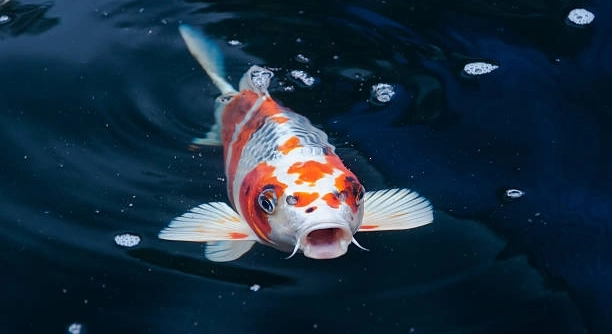
Keeping water calm in a koi pond is essential for the health and comfort of the fish. Calm water helps reduce stress and supports the natural behavior of koi. Proper care and maintenance can create a peaceful environment for these colorful fish.
Maintaining calm water for koi involves managing factors such as water flow, aeration, and filtration. Reducing surface agitation, avoiding strong currents, and using proper equipment help create a stable and tranquil habitat that supports koi wellbeing.
These practical steps will guide you in creating a serene pond environment. Applying them ensures your koi enjoy a calm, healthy space to thrive.
Control Water Flow
Controlling water flow is vital to keeping koi water calm. Strong currents can stress koi, making them swim harder and tire easily. By adjusting pumps and waterfalls, you can reduce water movement and create a gentle flow. This also helps avoid stirring up sediment that clouds the water. Proper placement of inlets and outlets allows water to circulate without causing turbulence. In larger ponds, using multiple smaller pumps can spread water movement more evenly. Keeping the water surface calm reduces oxygen loss and prevents excess algae growth. Gentle water flow also helps koi display natural behaviors, such as grazing and resting. Regular observation of water movement can help identify if changes are needed. Balancing circulation and calmness ensures koi stay healthy and comfortable. This simple adjustment can improve water clarity and the overall environment.
Slowing water flow supports koi health and reduces stress by maintaining a gentle, stable environment.
In addition to pumps, consider pond design. Deep areas with minimal flow allow koi to rest safely. Using barriers like rocks or plants near water sources can diffuse strong currents. Careful planning during setup and maintenance helps keep water movement appropriate for koi needs.
Reduce Surface Agitation
Minimizing surface agitation prevents oxygen loss and maintains water clarity. Excessive splashing or rippling increases evaporation and disturbs the pond’s natural balance. Using gentle aeration techniques, such as diffusers instead of large fountains, helps keep the surface calm while supplying oxygen. Properly positioned filters and skimmers remove debris without creating strong surface disturbances. Avoid placing waterfalls or streams directly above resting areas for koi. Calm surfaces also reduce stress for koi, allowing them to stay near the top without fear. Consistent monitoring ensures the surface remains smooth and healthy. Choosing equipment designed for gentle water movement contributes to a peaceful pond atmosphere. Overall, less surface agitation improves both water quality and koi wellbeing.
Keeping the surface calm balances oxygen needs and water stability for koi.
Surface agitation can be managed by choosing the right aeration devices and their placement. Diffused air stones spread bubbles gently, supplying oxygen without disturbing the pond’s surface. Filters with adjustable flow settings help control output. Plants near the surface, like water lilies, also shield against wind-induced ripples. Regular cleaning prevents clogs that increase water turbulence. Understanding these factors allows precise control over surface movement. The result is a calmer pond that supports koi health and reduces maintenance needs.
Use Aquatic Plants
Aquatic plants help calm water by reducing surface agitation and filtering nutrients. They provide natural shelter for koi and absorb excess nutrients that feed algae.
Plants like water lilies and lotus shade the water, lowering temperature and slowing evaporation. Their roots stabilize sediment, preventing it from stirring up. Floating plants reduce wind impact on the surface, keeping water calmer. Besides aesthetics, plants improve water quality by absorbing nitrates and phosphorus. This limits algae growth, maintaining clearer, calmer water. Careful selection of hardy plants ensures they thrive with koi and require minimal upkeep. Introducing plants also creates a natural ecosystem balance, supporting beneficial bacteria. Proper maintenance keeps plants healthy and prevents overcrowding, which could otherwise block oxygen flow and reduce space for koi.
Regular trimming and cleaning of plants avoid decay, which can harm water quality. Plants combined with other calming methods make a balanced pond environment.
Install Proper Filtration
Effective filtration removes debris and harmful substances, maintaining water clarity and stability. Mechanical filters trap particles, while biological filters break down waste. Both are essential for calm water.
Choosing the right size filter for your pond is critical. Overloading a filter reduces efficiency and increases water movement, disturbing koi. Regular cleaning prevents clogging, ensuring consistent flow. Positioning filters away from resting areas minimizes turbulence where koi gather. Incorporating a settling chamber before the filter allows solids to settle, reducing stress on filtration media. Using multi-stage filtration systems enhances water quality by addressing different contaminants. Proper filtration supports a stable, calm environment, essential for koi health and longevity. Monitoring filter performance regularly allows timely adjustments or maintenance.
Investing in quality filters reduces maintenance and creates a clearer, calmer pond, benefiting both koi and the overall habitat.
Add a Settling Zone
A settling zone collects heavier debris, allowing particles to settle before reaching the main filtration system. This reduces filter clogging and water disturbance. It helps keep the water clear and calm.
Settling zones improve overall pond health by preventing excess waste buildup. Proper placement ensures efficient debris removal without creating strong currents near koi.
Use a Skimmer
A skimmer removes floating debris like leaves and insects from the water surface. This keeps the pond clean and reduces organic matter that causes water quality issues.
Skimmers also help maintain a calm water surface by preventing debris accumulation and minimizing the need for aggressive water movement to clear the pond.
Avoid Overfeeding
Feeding koi too much leads to excess waste, which increases ammonia and nutrient levels. This worsens water quality and promotes algae growth, disturbing water calmness.
Controlling feeding amounts limits waste production, supporting clearer water and a healthier environment for koi. Feeding only what koi consume within minutes prevents leftover food from degrading water quality.
FAQ
How often should I check water movement in my koi pond?
Regular checks are important. Ideally, inspect water flow daily or at least several times a week. Look for strong currents, surface agitation, or areas where debris accumulates. Early detection helps adjust pumps or filters before water becomes stressful for koi. Routine observation ensures a calm environment.
Can too little water movement harm koi?
Yes. While calm water is important, stagnant water can reduce oxygen levels and allow harmful bacteria to grow. A gentle, steady flow promotes oxygen exchange and keeps water healthy. Balance is key—avoid both strong currents and complete stillness.
Are all aquatic plants good for koi ponds?
No. Some plants can overgrow or be toxic to koi. Choose hardy, non-invasive plants like water lilies, lotus, or hornwort. These provide shelter, reduce surface agitation, and help with nutrient absorption. Avoid plants that decay quickly or block oxygen flow.
What is the best filter type for calm water?
Multi-stage filters work best. Mechanical filters remove solids, while biological filters break down waste. Including a settling chamber before the filter reduces debris and lowers water disturbance. Proper filter sizing and placement reduce turbulence, supporting calm water.
How can I reduce surface agitation without sacrificing oxygen?
Use diffused aeration systems instead of large fountains. Air stones or gentle bubblers deliver oxygen below the surface, minimizing ripples. Position aeration away from koi resting spots to avoid stress. Combine with surface plants for extra protection.
Is overfeeding really a problem for water calmness?
Yes. Uneaten food decomposes, raising ammonia and nutrient levels. This causes algae blooms that cloud water and increase surface agitation. Feeding only what koi consume quickly helps maintain water clarity and calmness. Regular pond cleaning also reduces leftover food buildup.
How do settling zones help keep water calm?
Settling zones slow down water flow, allowing heavy particles to sink before reaching filters. This reduces clogging and keeps filtration steady without creating strong currents. A well-designed settling zone contributes to clear, calm water by controlling sediment and waste.
Can strong pumps be adjusted for calmer water?
Yes. Many pumps have adjustable flow settings. Lowering pump speed reduces water movement and surface disturbance. In larger ponds, using multiple smaller pumps instead of one strong pump spreads flow evenly. Proper placement also prevents excessive currents near koi areas.
What role do surface plants play in calming koi ponds?
Surface plants shield the water from wind, reducing ripples and evaporation. They provide shade, lowering water temperature and slowing algae growth. Plants also absorb excess nutrients, improving water quality. Their presence creates a natural, calm habitat for koi.
How often should filters be cleaned to maintain calm water?
Filters should be checked and cleaned regularly—typically every two to four weeks depending on pond size and koi load. Clogged filters increase water turbulence and reduce efficiency. Cleaning ensures steady, gentle water flow and supports healthy koi conditions.
Can I use waterfalls and keep water calm?
Yes, if waterfalls are designed carefully. Small, gentle waterfalls create soothing water movement without stressing koi. Position waterfalls away from resting or feeding areas to avoid strong currents. Using rocks or plants to break the fall helps disperse water gently.
What are signs that water movement is too strong for koi?
Koi may swim frantically or avoid certain pond areas. They might appear tired or stressed. Surface water will be choppy with visible splashes or bubbles. Excessive sediment stirring or cloudiness also indicates strong currents. Adjusting pumps or flow paths can fix these issues.
Are skimmers necessary for keeping water calm?
Skimmers help by removing floating debris that would otherwise sink and decompose, causing water quality problems. They reduce the need for aggressive water movement to clear debris. Properly sized skimmers keep the surface clean and calm, benefiting both koi and pond maintenance.
Does water temperature affect water calmness?
Indirectly, yes. Higher temperatures increase evaporation and can cause more surface movement due to wind. Warm water also encourages algae growth, which disturbs water clarity and calmness. Shade from plants and proper aeration help regulate temperature and keep water stable.
What maintenance tasks are most important for calm koi ponds?
Regularly cleaning filters, removing debris, trimming plants, and monitoring water flow are essential. Feeding appropriate amounts reduces waste buildup. Checking pump settings and equipment placement prevents strong currents. Consistent maintenance keeps the pond balanced, clear, and calm for koi health.
Maintaining calm water in a koi pond requires consistent care and attention to several key factors. It is important to balance water movement, filtration, and natural elements to create a peaceful environment for koi. Each aspect, from aquatic plants to proper feeding, contributes to the overall stability and clarity of the water. Taking the time to monitor and adjust these elements helps prevent problems such as excessive currents, algae blooms, or poor water quality, which can stress the fish.
A calm pond benefits koi by reducing stress and promoting healthier behavior. Koi thrive in environments where water flow is gentle and oxygen levels remain steady. Introducing plants, using efficient filters, and controlling feeding amounts are practical steps that support this balance. In addition, managing water surface agitation through careful equipment placement or adding settling zones can enhance calmness. These actions work together to maintain a suitable habitat where koi can swim comfortably without disturbance.
Consistency in pond maintenance is crucial for long-term success. Regular inspections, cleaning, and adjustments ensure the pond remains calm and clear throughout the seasons. Understanding how each component affects water movement allows for informed decisions and timely interventions. Overall, creating and sustaining calm water is a continuous process that benefits both the koi and the pond environment. Prioritizing these measures leads to a healthier, more enjoyable pond.

Hello,
If you enjoy the content that we create, please consider saying a "Thank You!" by leaving a tip.
Every little bit helps us continue crafting quality advice that supports the health, happiness, and well-being of pets around the world, for pets of all shapes, sizes, and species.
We really appreciate the kindness and support that you show us!