
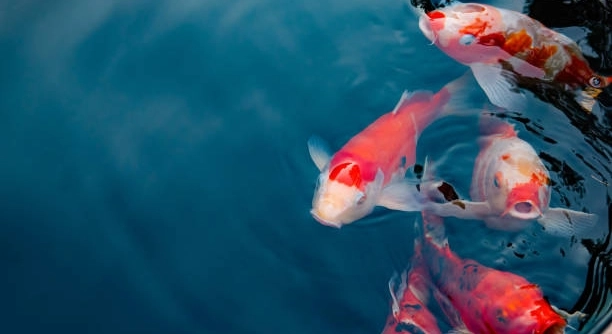
Koi fish bring calm and beauty to any pond. Feeding time offers a chance to bond with them and observe their behavior closely. Improving this interaction can make caring for koi more rewarding and enjoyable overall.
Effective koi feeding interaction requires consistency, patience, and understanding of their natural habits. Providing proper feeding schedules, appropriate food types, and a calm environment promotes healthier fish and strengthens the bond between keeper and koi.
Better feeding habits can enhance your koi’s health and deepen your connection. The following tips focus on simple ways to improve this daily routine.
Establish a Consistent Feeding Schedule
Koi fish thrive on routine, and establishing a consistent feeding schedule helps regulate their metabolism and overall health. Feeding them at the same time each day reduces stress and encourages regular activity. It also allows you to monitor their appetite and detect any early signs of illness. Avoid feeding too often, as overfeeding can lead to poor water quality and health issues. Typically, feeding once or twice a day during warmer months is sufficient, while less frequent feeding is better in cooler seasons when koi metabolism slows. Make sure to adjust the quantity according to their behavior and pond conditions. Consistency benefits both koi and pond keepers by creating a predictable, calm environment that supports the fish’s well-being. Maintaining this schedule also prevents the build-up of uneaten food, which can harm the pond ecosystem.
A regular feeding time trains koi to expect food, improving their response and interaction. It also reduces stress from uncertainty.
Keeping a steady feeding routine promotes healthier koi and a cleaner pond. It supports growth and reduces water pollution. Koi learn to associate feeding time with positive experiences, which strengthens your interaction. Consistent feeding also helps you notice changes in fish behavior quickly, making it easier to address any issues early. Avoid changing the schedule frequently to maintain their comfort. Preparing food before feeding time saves effort and allows you to focus on observing your koi during feeding. Feeding in the same spot can also improve your koi’s recognition and response. Overall, a consistent schedule benefits both the fish and the keeper through better health and stronger connections.
Choose Appropriate Food Types
Koi have specific dietary needs that change with the seasons. During warmer months, high-protein pellets support their active metabolism and growth. In cooler months, feeding should shift to wheat germ-based foods, which are easier to digest and prevent health issues. Avoid feeding bread, crackers, or human snacks, as these can upset their digestive system and pollute the pond. Quality commercial koi food ensures balanced nutrition and supports vibrant colors and strong immune systems. Offering occasional treats like fresh vegetables or live foods can stimulate natural foraging behavior, enhancing feeding interaction. It is important to select food sizes that are easy for koi to eat comfortably, preventing choking or wasted food. Observing your koi’s eating habits helps determine which types they prefer and tolerate best.
Selecting the right food supports your koi’s health and encourages active feeding behavior.
Using food tailored to seasonal needs maintains koi vitality. Overfeeding protein in cold weather can cause digestion problems, so adjusting the diet is essential. Avoid foods that break down quickly and pollute water. Offering variety occasionally can keep koi interested and promote natural instincts. Paying attention to food size prevents swallowing difficulties. Good quality feed strengthens immune response, making koi more resistant to disease. Feeding the right diet also improves water clarity by reducing excess waste. Choosing suitable food is a simple but crucial step in improving feeding interaction and overall koi care. Regularly updating your knowledge on koi nutrition helps maintain best practices.
Feed in a Calm and Quiet Environment
Koi are sensitive to noise and sudden movements during feeding. A calm environment helps reduce their stress and encourages natural feeding behavior. Avoid loud sounds or rapid actions near the pond during feeding time.
Reducing distractions lets koi focus on feeding. When the area is quiet, koi come closer and become more interactive. A peaceful setting also helps you observe their health and behavior better. Feeding quietly promotes a stronger connection as koi become more comfortable approaching you.
Choose a quiet spot near the pond for feeding. Limit activity like loud talking, music, or splashing water. Keep pets or children away during feeding to prevent sudden disturbances. Maintaining this calm environment consistently will make koi more responsive and improve the overall feeding experience.
Use Hand Feeding to Build Trust
Hand feeding can create a stronger bond with koi by encouraging trust and interaction. Offering food from your hand allows koi to associate your presence with positive experiences. This method requires patience and calmness.
Start by placing small amounts of food near your hand to encourage koi to approach. Avoid sudden movements to keep them comfortable. Over time, koi will become familiar with your hand and feed directly from it, increasing engagement. Hand feeding improves observation of koi health and behavior.
Consistent hand feeding strengthens koi familiarity and reduces their fear of humans. It enhances your ability to monitor their appetite and well-being closely. This practice fosters a meaningful connection, making koi care more rewarding. While not all koi will hand-feed immediately, regular gentle attempts usually lead to success. Avoid forcing koi to feed from your hand; let them approach at their own pace. The trust built during hand feeding supports calmer, healthier koi and more enjoyable interactions.
Monitor Feeding Quantity
Overfeeding can harm koi health and water quality. It is important to give only the amount koi can consume within a few minutes. Remove any uneaten food promptly to keep the pond clean.
Adjust feeding amounts based on koi activity and season. In warmer months, koi eat more, but during cooler times, they require less. Keeping portion sizes appropriate prevents waste and supports water clarity. Consistent monitoring ensures koi get the right nutrition without overfeeding risks.
Observe Koi Behavior During Feeding
Careful observation during feeding provides insight into koi health and mood. Changes in appetite or feeding behavior may indicate stress or illness. Regular attention helps detect issues early.
Vary Feeding Locations
Feeding koi in different spots around the pond encourages natural movement and reduces territorial disputes. This practice keeps feeding time interesting and less competitive for the fish.
How often should I feed my koi fish?
Feeding frequency depends largely on the water temperature and season. During warmer months, when koi are active, feeding once or twice daily is appropriate. As water temperature drops below 50°F (10°C), koi metabolism slows, and feeding should be reduced or stopped entirely. Overfeeding during cold weather can cause digestive problems. Adjust the feeding schedule based on koi appetite and pond conditions. Consistency is key, so try to feed at the same times each day to encourage routine and reduce stress.
What type of food is best for koi fish?
High-quality commercial koi pellets designed for their size and seasonal needs are the best choice. In warmer months, protein-rich pellets support growth and energy. In cooler months, switch to wheat germ-based pellets that are easier to digest. Avoid feeding bread, crackers, or human food, as these can cause health issues and pollute the pond. Occasionally, you can supplement with fresh vegetables or live foods like earthworms to promote natural feeding instincts.
Can I hand-feed koi safely?
Yes, hand feeding koi can be a safe and rewarding way to build trust and improve interaction. Start by offering food near your hand and allow koi to approach at their own pace. Avoid sudden movements to keep koi comfortable. Over time, many koi will feed directly from your hand, which helps you monitor their health and strengthens your bond. Always use clean hands and appropriate koi food to prevent contamination or health risks.
Why do koi sometimes refuse to eat?
Koi may stop eating due to changes in water temperature, poor water quality, illness, or stress. In colder weather, their metabolism slows, so they naturally eat less or not at all. If koi refuse food during warmer months, check water parameters and observe for signs of disease. Stress from predators or sudden environmental changes can also cause feeding refusal. Addressing these issues usually restores appetite.
How can I avoid overfeeding my koi?
Feed only what koi can consume within 5 minutes to avoid excess food. Uneaten food breaks down, polluting water and harming fish health. Observe koi behavior during feeding to adjust portions accordingly. Use feeding rings or hand feeding to control food distribution and prevent waste. Regular water testing helps identify problems caused by overfeeding early.
Is it necessary to vary koi diet?
Varying diet helps meet all nutritional needs and keeps koi interested in feeding. While commercial pellets provide balanced nutrition, adding occasional treats like fresh vegetables or live foods stimulates natural behaviors and enriches their diet. Avoid frequent changes that can upset digestion; introduce new foods gradually to monitor koi tolerance.
What signs show that koi are well-fed and healthy?
Healthy koi have bright colors, smooth scales, and clear eyes. They actively swim and approach feeding areas promptly. Normal feeding behavior includes eagerly consuming food without hesitation. Consistent appetite and energy levels indicate good health. Watch for changes like loss of color, lethargy, or refusal to eat as potential warning signs.
How important is water quality during feeding?
Water quality directly affects koi appetite and health. Excess uneaten food can increase ammonia and nitrite levels, leading to toxic conditions. Regular water testing and maintenance keep the pond environment safe. Proper filtration and prompt removal of leftover food help maintain clarity and prevent disease. Feeding in moderation supports stable water quality.
Can koi eat treats other than pellets?
Yes, treats like peas, lettuce, watermelon, or earthworms can be given occasionally to enrich their diet. These natural foods provide fiber and variety but should not replace the staple pellet diet. Always rinse vegetables thoroughly and avoid sugary or processed human foods. Moderation is important to prevent digestive upset.
What is the best way to introduce new koi to feeding routines?
Introduce new koi slowly by feeding in a quiet, calm environment. Use the same type of food offered before to reduce stress. Hand feeding or placing food near new fish helps build trust and encourages eating. Monitor their appetite and behavior closely during the transition. Gradual introduction to your pond’s feeding schedule promotes better adjustment and health.
Feeding koi fish properly is essential for their health and well-being. Consistent, careful feeding routines help koi stay active, grow well, and maintain bright colors. It is important to feed them the right amount, avoid overfeeding, and use appropriate food types that meet their nutritional needs. By paying attention to how koi respond during feeding and adjusting accordingly, you can improve their overall condition and reduce stress. Simple habits, like feeding in a quiet place and varying the feeding location, support a better environment for koi to thrive.
A calm and controlled feeding process also strengthens the connection between koi and their caretaker. Hand feeding is an effective way to build trust and encourage more interaction. This practice allows closer observation of koi health and behavior, which can help identify any problems early. When koi feel safe and comfortable during feeding, they are more likely to eat well and show natural, lively behavior. Regular monitoring of water quality and pond cleanliness is also necessary, as uneaten food can quickly affect the pond environment. Maintaining balance between feeding and pond care keeps koi healthy for the long term.
Overall, improving koi feeding interaction is a simple but valuable step in koi care. It requires patience, attention to detail, and consistency. The benefits include healthier fish, a clearer pond, and a more enjoyable experience watching and feeding koi. By applying these tips and understanding koi needs, caretakers can create a positive feeding routine that supports koi vitality. Thoughtful feeding is part of responsible koi ownership and contributes to the beauty and life of the pond.

Hello,
If you enjoy the content that we create, please consider saying a "Thank You!" by leaving a tip.
Every little bit helps us continue crafting quality advice that supports the health, happiness, and well-being of pets around the world, for pets of all shapes, sizes, and species.
We really appreciate the kindness and support that you show us!