
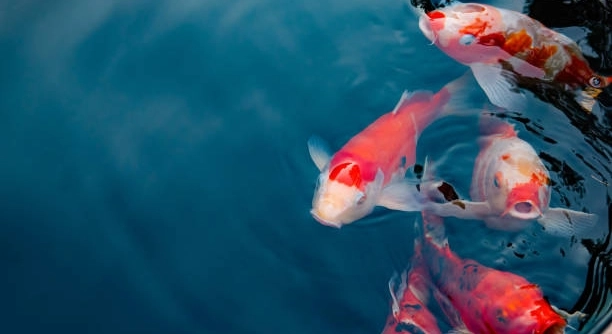
Koi are peaceful fish often seen swimming in garden ponds. They move gracefully beneath the water’s surface, sometimes staying close to floating leaves. Observing their behavior reveals interesting patterns that connect with their environment and needs.
Koi swim beneath floating leaves primarily to seek shade, feel secure, and access cooler water. These leaves provide protection from direct sunlight and predators, creating a comfortable and safe space essential for their well-being and natural behavior.
Learning about why koi prefer these shaded spots helps pond owners create a healthier habitat for their fish. This simple behavior holds key insights into koi care and pond design.
The Role of Shade in Koi Behavior
Koi are sensitive to sunlight, and too much exposure can stress them out. Floating leaves offer natural shade that helps keep the water temperature cooler, which is important because koi prefer water that is neither too warm nor too cold. When the water heats up, koi tend to swim under leaves to avoid direct sunlight. This shade not only cools the water but also protects their delicate skin and scales from harmful UV rays. In addition, shaded areas help reduce algae growth, which can affect water quality. The leaves create a calm environment where koi feel less exposed, which encourages them to rest and conserve energy. This behavior is natural and shows how koi interact with their surroundings to stay comfortable and healthy.
The shade from leaves supports koi health by balancing temperature and providing comfort. It is a simple, natural way to improve their pond environment.
Understanding this can guide pond owners in choosing plants that offer both shade and shelter for their koi.
Safety Beneath the Leaves
Floating leaves create a sense of security for koi by hiding them from potential predators. This natural cover helps koi feel less vulnerable in open water.
Koi are prey for birds and other animals, so staying beneath leaves is a way to stay protected. The leaves act like a shield, blocking sight lines from above and allowing koi to move calmly without fear. This protective layer also reduces stress, which can improve their immune system and overall health. When koi feel safe, they are more active and display brighter colors. This simple behavior highlights the importance of providing natural hiding spots in koi ponds to keep them safe and thriving.
How Floating Leaves Affect Water Quality
Floating leaves help keep pond water cleaner by reducing sunlight penetration. This limits algae growth, which can otherwise make water murky and unhealthy for koi. Less algae means clearer water and better oxygen levels, which koi need to stay healthy and active.
Leaves block sunlight from reaching deeper water layers, reducing algae bloom. Algae thrive in warm, sunny water, but shaded areas slow their growth. This balance keeps the pond environment stable, preventing sudden changes in oxygen levels that can stress koi. Additionally, decomposing leaves add natural nutrients, supporting beneficial bacteria that help break down waste. However, it’s important to manage leaf buildup to avoid water pollution. Regular maintenance, like removing excess leaves, ensures a clean and healthy pond. Floating leaves act as a natural filter system, enhancing water quality while supporting koi well-being.
The presence of floating leaves creates a healthier habitat by improving water clarity and nutrient balance. This supports koi vitality over time and encourages natural pond processes to function smoothly.
Natural Behavior and Feeding Patterns
Koi often swim beneath floating leaves to find food particles that gather there. Leaves trap small insects and organic matter, creating a convenient feeding spot. This natural feeding behavior reduces stress and keeps koi active.
The shade under the leaves also makes koi feel safe while they feed, preventing sudden movements from scaring them away. Floating leaves can serve as feeding zones, encouraging koi to explore and forage naturally. This behavior helps maintain their physical condition by promoting movement and alertness. Additionally, the areas beneath leaves often have cooler water and softer light, which koi prefer while eating. Recognizing this pattern allows pond owners to place feeding spots strategically near shaded areas, supporting koi’s natural habits and improving their diet management.
Leaf Cover and Temperature Control
Floating leaves help keep pond temperatures stable by shading the water. This natural cover prevents the water from heating up too quickly during hot days.
Stable temperatures protect koi from sudden changes that can cause stress or illness. The leaves create a comfortable environment that supports their health and activity.
Impact on Koi Social Behavior
Koi tend to gather beneath floating leaves, which fosters social interaction and reduces aggression. The shaded areas provide a calm space where koi can swim together peacefully, promoting better group dynamics and less stress within the pond community.
Selecting Plants for Your Pond
Choosing plants with broad, floating leaves is ideal for koi ponds. These plants offer shade, shelter, and help regulate water quality, all of which contribute to a healthy pond ecosystem.
Leaf Decay and Maintenance
Decaying leaves add nutrients but require regular removal to prevent water pollution and maintain a balanced environment for koi.
Why do koi prefer to swim beneath floating leaves?
Koi swim beneath floating leaves mainly because they provide shade and protection. The leaves help keep the water cooler, which koi prefer, especially on warm days. This shaded area also offers a sense of safety from predators and reduces stress. Additionally, floating leaves can trap food particles, giving koi a convenient spot to feed. These natural benefits make floating leaves a favored place for koi in any pond.
Can floating leaves affect the health of my koi?
Yes, floating leaves can positively impact koi health by creating a more balanced environment. They reduce direct sunlight, preventing water from overheating, which can cause koi stress or illness. Leaves also limit algae growth by blocking sunlight, improving water clarity and oxygen levels. However, decaying leaves must be managed, as excessive buildup can pollute the water and harm koi. Regular pond maintenance helps maintain the benefits while avoiding potential problems.
What types of plants provide the best floating leaves for koi ponds?
Plants with broad, floating leaves like water lilies and lotus are excellent choices. Their large leaves cover significant water surface area, offering more shade and shelter. These plants also add beauty to the pond and help support a balanced ecosystem. They provide natural hiding places that make koi feel secure. Choosing hardy, pond-friendly species ensures the plants thrive and benefit the koi without requiring constant care.
How do floating leaves influence koi feeding habits?
Floating leaves trap insects and organic debris, creating small food sources right beneath the surface. Koi naturally forage under the leaves, where they feel safer and the water is cooler. This encourages healthy activity and natural feeding behaviors. By understanding this, pond owners can feed koi near shaded areas to mimic natural conditions and reduce koi stress during feeding times.
Is it necessary to remove fallen leaves from the pond?
Removing fallen leaves is important to keep the pond clean and healthy. While some leaf decay adds nutrients and supports beneficial bacteria, too many decomposing leaves can cause water pollution. This leads to low oxygen levels and poor water quality, which harms koi. Regularly skimming or cleaning out excess leaves helps maintain a balanced environment and prevents problems from developing.
Do koi use floating leaves as hiding spots from predators?
Yes, floating leaves act as natural shields against predators such as birds. The leaves obscure the koi from view, making it harder for predators to spot them. This reduces stress and keeps koi safer. Providing plenty of floating leaf cover is an effective way to protect koi, especially in outdoor ponds where predators are common.
How do floating leaves help control algae growth in koi ponds?
By shading the water, floating leaves reduce the amount of sunlight that reaches algae, slowing its growth. Excessive algae can cloud the water and lower oxygen levels, which is harmful to koi. Leaves help maintain clearer water and a healthier pond ecosystem. This natural control reduces the need for chemical treatments and supports koi health.
What should I watch for regarding floating leaves and water quality?
Monitor the amount of decaying leaves in the pond. While some natural breakdown is good, too much can cause water quality issues like ammonia spikes and oxygen depletion. Regular cleaning and proper plant care help avoid these problems. Checking water parameters often ensures a healthy environment for koi.
Can floating leaves affect koi breeding behavior?
Floating leaves provide sheltered areas where koi can feel secure during breeding. The shaded, protected spots reduce stress and encourage spawning activity. Additionally, leaves can protect eggs from predators and strong sunlight. Including floating plants supports natural koi breeding cycles by offering ideal environmental conditions.
How often should I maintain the floating plants in my koi pond?
Maintenance depends on the plant type and pond conditions but generally should be done every few weeks to a month. Remove dead or decaying leaves to prevent buildup, trim excessive growth, and check plant health. Regular care keeps plants thriving, ensuring they continue to provide shade, shelter, and water quality benefits for koi.
Floating leaves play an important role in the life of koi fish. They provide much-needed shade, which helps keep the water temperature steady and comfortable for the fish. Koi are sensitive to changes in temperature, so the cool areas under leaves allow them to rest without feeling stressed. This natural shade also protects koi from strong sunlight that could harm their skin and scales. When koi feel comfortable and safe, they are more likely to stay active and healthy. The presence of floating leaves in a pond supports this balance and helps create a better living environment for the fish.
Besides offering shade, floating leaves serve as safe hiding spots for koi. These leaves help block the view of predators such as birds and other animals that might hunt the fish. Feeling secure is very important for koi because stress can weaken their immune system and make them sick. The leaves give koi a quiet place to swim without fear, which lowers their stress levels. When koi are less stressed, they show brighter colors and behave more naturally. Floating plants also help maintain good water quality by limiting algae growth and adding natural nutrients as they break down. This makes the pond healthier overall and helps koi live longer, happier lives.
Managing floating leaves is part of good pond care. While the leaves bring many benefits, dead or decaying leaves need to be removed regularly to keep the water clean. Too many decomposing leaves can cause water problems that harm koi. It’s important to balance the natural benefits of leaves with proper maintenance to avoid pollution. Choosing the right plants for the pond, like water lilies or lotus, provides the best shade and shelter. Understanding how koi use floating leaves helps pond owners create the best conditions for their fish. Paying attention to these details supports koi health and keeps the pond a beautiful, peaceful place to enjoy.

Hello,
If you enjoy the content that we create, please consider saying a "Thank You!" by leaving a tip.
Every little bit helps us continue crafting quality advice that supports the health, happiness, and well-being of pets around the world, for pets of all shapes, sizes, and species.
We really appreciate the kindness and support that you show us!