
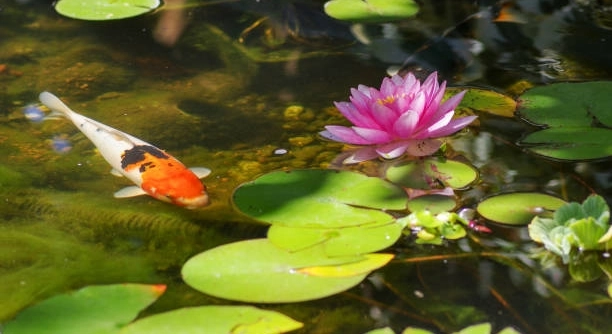
Koi fish need proper feeding to stay healthy and grow well. Feeding them efficiently helps save food and keeps the pond clean. Many koi owners look for ways to improve how their fish eat.
Increasing koi feeding efficiency involves choosing the right food, feeding at optimal times, monitoring fish behavior, avoiding overfeeding, and maintaining water quality. These methods ensure koi get enough nutrition while minimizing waste and water contamination.
By learning simple yet effective techniques, koi keepers can improve feeding habits and create a better environment for their fish. This article shares seven practical methods to help with that.
Choosing the Right Koi Food
Selecting the proper food is key to feeding koi efficiently. Koi require balanced nutrition that supports their growth and vibrant colors. There are many types of koi food available, such as pellets, flakes, and natural treats like worms or vegetables. Pellets specifically designed for koi offer controlled nutrition and are easier to monitor during feeding. Feeding high-quality food ensures koi get the vitamins and minerals they need without leaving excess waste in the pond. Some foods float, while others sink, so choosing the type that matches your feeding habits and koi behavior can reduce waste. It’s also important to pick food suitable for the season, as koi metabolism changes with water temperature. In colder months, koi digest food slower, so low-protein and easily digestible options are better. Overall, investing in the right food helps koi stay healthy and keeps the pond environment cleaner.
Consistent use of high-quality, season-appropriate food reduces waste and improves koi health.
Providing food that meets nutritional needs supports healthy growth and bright colors in koi over time.
Feeding at Optimal Times
Feeding koi during the right time of day can improve food efficiency. Early morning or late afternoon, when water temperatures are moderate, are generally best. Koi are more active and ready to eat during these cooler parts of the day. Feeding at consistent times also helps koi develop a routine and reduces stress. Avoid feeding during the hottest midday hours because koi metabolism slows and they eat less. Overfeeding during these times often leads to wasted food that pollutes the pond. Feeding smaller amounts several times a day instead of one large meal improves digestion and reduces leftovers. Observing koi behavior will help determine the best feeding schedule for your pond. Timing meals carefully means koi get maximum nutrition with minimal waste, promoting a healthier pond environment and happier fish.
Monitoring Fish Behavior
Watching how your koi react during feeding is important. It helps you understand if they are eating well or if there are problems.
Koi that eagerly swim to the surface and take food quickly are usually healthy and hungry. If some koi avoid food or show signs of lethargy, it could indicate illness or poor water quality. Uneaten food sinking to the bottom means overfeeding or slow appetite. By paying close attention to these behaviors, you can adjust feeding amounts and frequency to suit your koi’s needs. This prevents waste buildup and keeps the pond cleaner.
Tracking koi behavior also helps spot early signs of stress or disease. Changes in appetite or swimming patterns can be a warning to take action before problems worsen, ensuring your fish stay healthy.
Avoiding Overfeeding
Overfeeding leads to excess food waste, which harms water quality. It’s better to feed less often with smaller portions.
Too much food breaks down and creates harmful ammonia and nitrites in the water. This can stress koi and encourage algae growth. Feed only what koi can finish within five minutes to avoid leftovers. Using feeding rings or trays helps contain food and makes it easier to monitor consumption. Limiting feeding times also reduces waste. If koi are fed properly, water stays cleaner and the fish remain healthier.
Controlling feed quantity not only benefits koi health but also reduces the frequency of water changes, saving time and effort for pond maintenance. This simple step makes a big difference in the pond’s balance.
Maintaining Water Quality
Clean water is essential for efficient koi feeding. Poor water quality reduces koi appetite and digestion.
Regularly check water parameters like pH, ammonia, and nitrate levels. Use filters and perform partial water changes to keep the pond healthy.
Using Feeding Tools
Feeding rings or trays help control where food goes. They prevent food from spreading and sinking to the pond bottom.
These tools make it easier to see how much food koi eat and reduce waste. They also help keep the pond cleaner by limiting uneaten food.
Feeding According to Season
Koi metabolism changes with the seasons. Feed less in colder months when their digestion slows down.
Adjust food type and amount based on water temperature to support koi health and reduce waste.
Providing Variety
Offering different foods helps keep koi interested and ensures balanced nutrition. Mixing pellets, vegetables, and occasional treats works well.
How often should I feed my koi?
Feeding frequency depends on water temperature and koi activity. During warmer months, feeding two to three times a day is usually best. Koi are more active and digest food quickly in warmer water. In colder months, feeding once a day or even every other day is enough because koi’s metabolism slows down. Overfeeding during cold weather can cause health problems and pollute the pond. Always observe how quickly your koi eat and adjust feeding times accordingly. Small, frequent feedings help prevent leftover food and keep koi healthy.
What is the best type of food for koi?
The best food provides balanced nutrition with proteins, fats, and vitamins. High-quality pellets formulated specifically for koi are ideal because they float and make it easier to monitor feeding. During warmer months, choose protein-rich pellets to support growth. In colder months, switch to wheat germ-based or lower-protein foods that are easier to digest. Natural treats like vegetables or worms can be added occasionally for variety, but they should not replace balanced pellets. Avoid low-quality or generic fish food that can lead to poor health and water pollution.
Can I feed my koi vegetables?
Yes, koi enjoy vegetables like lettuce, peas, spinach, and zucchini. These provide extra nutrients and fiber that support digestion. Always blanch or soften vegetables before feeding to make them easier to eat. Introduce vegetables slowly to avoid upsetting koi’s stomachs. Vegetables should be given in moderation and never replace their main diet. Fresh vegetables also help reduce reliance on processed pellets, adding variety to their meals. Remember to remove any uneaten vegetables to prevent water quality issues.
How do I know if I am overfeeding my koi?
Signs of overfeeding include leftover food sinking to the bottom, cloudy water, and increased algae growth. Overfed koi may become lethargic or show poor appetite later. If food remains uneaten after five minutes, you’re feeding too much. Overfeeding increases waste and harmful chemicals in the water, affecting koi health. To avoid this, feed smaller portions and observe koi during feeding. Adjust amounts based on their appetite and season. Using feeding rings can also help limit food spread and control portions.
What should I do if my koi stop eating?
If koi suddenly stop eating, check water quality first. Poor conditions like high ammonia or low oxygen can reduce appetite. Also, consider temperature changes, as koi eat less in cold water. Illness or stress can also cause loss of appetite. Observe koi for signs of disease or injury and treat promptly if needed. If water conditions are fine, try offering different types of food or feeding at different times. Reducing stress by minimizing sudden changes in the pond environment can help koi resume eating normally.
Is it okay to feed koi treats?
Treats can be given occasionally but should not replace balanced pellets. Treats like earthworms, shrimp, or fruits add variety and nutrients but can upset water quality if overused. Limit treats to about 10% of the total diet. Make sure treats are clean and safe for koi. Overfeeding treats can cause digestive problems or water pollution. Use treats mostly to encourage feeding during colder months or to provide extra nutrition during growth phases. Always observe koi’s reaction to new treats before making them regular.
How does water temperature affect koi feeding?
Water temperature directly affects koi metabolism. At temperatures above 60°F (15°C), koi digest food quickly and need more nutrition. Below 50°F (10°C), their digestion slows significantly, and they eat very little or not at all. Feeding koi in cold water risks food sitting uneaten and polluting the pond. Adjust food types and amounts to match seasonal temperature changes. Using wheat germ or specially formulated cold-water food helps koi digest better in cool seasons. Always reduce feeding as temperatures drop to keep koi healthy.
Can feeding koi affect pond cleanliness?
Yes, feeding practices directly impact pond water quality. Overfeeding leaves uneaten food that decomposes and produces harmful chemicals like ammonia. This harms koi health and promotes algae growth. Feeding appropriate amounts and cleaning leftover food help maintain clear water. Using feeding tools and feeding at optimal times reduces waste. Regular water testing and filtration also support a clean environment. Proper feeding helps balance pond ecosystems, making it easier to keep koi healthy and the pond attractive.
Proper koi feeding is important for the health of your fish and the cleanliness of your pond. Feeding them the right amount, at the right time, and with the right food helps koi grow strong and stay active. Overfeeding or feeding poor-quality food can lead to problems like dirty water and sick fish. Taking simple steps to improve feeding habits makes a big difference for both koi and pond care. It also helps you save money by reducing wasted food.
Watching how your koi eat and behave is a helpful way to understand their needs. When koi eagerly eat the food, it means they are healthy and ready to grow. If they ignore the food or swim slowly, something may be wrong. Adjusting feeding based on their behavior and the season is important. In colder months, koi need less food because their bodies work slower. Feeding less in winter helps keep the pond clean and the fish comfortable. Feeding more in warm months supports their energy and growth.
Using tools like feeding rings, choosing quality food, and keeping the water clean all support better feeding efficiency. Feeding small amounts more often and removing leftover food can reduce waste and prevent water problems. When you manage feeding well, your koi enjoy a healthier life, and the pond stays balanced. Feeding koi properly is a simple way to enjoy a beautiful pond and lively fish. It takes some attention but is worth the effort for the long-term care of your koi.

Hello,
If you enjoy the content that we create, please consider saying a "Thank You!" by leaving a tip.
Every little bit helps us continue crafting quality advice that supports the health, happiness, and well-being of pets around the world, for pets of all shapes, sizes, and species.
We really appreciate the kindness and support that you show us!