
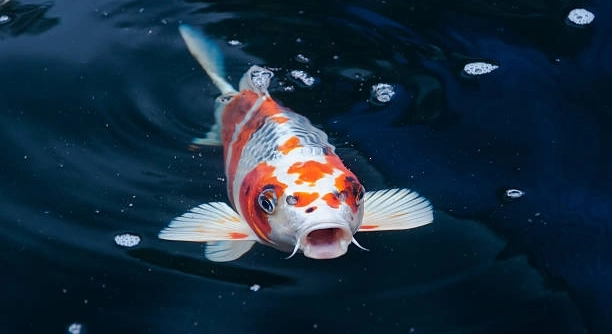
Koi fish are often seen lingering near pond heaters during cooler months. This behavior is quite common in outdoor ponds where water temperatures fluctuate. The warmth from the heaters attracts the fish and helps them stay comfortable in chilly conditions.
Koi hover near pond heaters primarily to seek warmth. These fish are cold-blooded, so their body temperature depends on the water around them. Heaters create localized warm spots that support their metabolism and keep them active when the surrounding water is cold.
Understanding why koi gather near heaters can help pond owners maintain a healthier environment for their fish throughout the year. This article explains the reasons behind this behavior and offers tips for proper pond care.
Why Koi Seek Warmth Near Pond Heaters
Koi are cold-blooded animals, meaning their body temperature changes with the environment. When the water gets cold, their metabolism slows down, making them less active and affecting their digestion. Pond heaters provide a small, warm area in the water that helps koi maintain a comfortable temperature. This warmth allows them to stay more energetic and healthy during colder seasons. Because koi are instinctively drawn to warmth, they naturally gather near heaters when temperatures drop. This behavior is a simple survival mechanism to cope with seasonal changes. It also reduces their stress and supports their immune system. For pond owners, noticing koi around heaters is a good sign that the fish are using the equipment effectively to regulate their body temperature and improve their overall well-being in chilly water conditions.
Maintaining a warm spot in the pond helps koi stay healthy through cold weather.
By providing a reliable heat source, you help your koi avoid health problems caused by cold stress. Cold water slows down koi digestion, which can lead to bloating and illness. When koi gather near a pond heater, they find a better environment for feeding and digestion. Heaters also keep the pond water temperature stable, preventing sudden drops that can shock the fish. Consistent warmth supports their immune system, reducing the risk of infections. Properly placed heaters encourage koi to swim actively, which promotes circulation and muscle health. It’s important to monitor heater settings to avoid overheating and to ensure even heat distribution. Balancing warmth with proper oxygen levels is key, so aeration should also be maintained. These factors together help koi live longer, happier lives during cold months.
How to Position Pond Heaters for Best Results
Placing heaters correctly affects their efficiency and koi behavior.
Heaters should be positioned where koi naturally swim or rest during colder weather. Placing them near pond edges or deeper areas encourages koi to spread out while still accessing warmth. Avoid putting heaters in direct sunlight or near water plants that might block heat circulation. Testing water temperature in different spots helps find the ideal location. This careful placement ensures koi can move between warm and cooler areas as they need. Adjust heater height and location to prevent overheating or creating hot spots. Regularly checking the heater and water temperature will keep the pond environment balanced and safe for your koi year-round.
Common Signs That Koi Are Too Cold
Koi that are too cold often become lethargic and stop eating. They may hover near the pond heater but show little movement. These signs indicate their metabolism has slowed significantly.
When water temperatures drop too low, koi lose their appetite and become less active. They may gather near heaters but still appear sluggish or refuse to swim freely. Prolonged exposure to cold can weaken their immune system, making them prone to infections. Sometimes koi might hide near the bottom or under pond decorations to conserve energy. Noticing these behaviors early can help you adjust the pond’s temperature or provide additional warmth. Keeping water temperature within an optimal range is essential for koi health and preventing cold stress complications.
To help koi recover, gradually raise the pond temperature using heaters and ensure clean, oxygen-rich water. Avoid feeding too much while they’re inactive, as digestion slows in cold water. Patience and proper temperature control support their return to normal behavior.
Safety Tips When Using Pond Heaters
Proper use of pond heaters prevents accidents and protects koi health. Make sure heaters are rated for outdoor pond use and are waterproof.
Regularly inspect the heater and electrical connections for damage or corrosion. Use a grounded power outlet with a GFCI (Ground Fault Circuit Interrupter) to prevent electrical shocks. Avoid placing heaters near pond edges where fish could get trapped or tangled. Keep cords secured and away from areas where pets or wildlife might disturb them. Monitoring water temperature prevents overheating, which can harm koi or promote algae growth. Using timers or thermostats helps maintain consistent warmth and energy efficiency. Following these safety guidelines ensures your pond heater works effectively and safely throughout the colder months.
How Water Temperature Affects Koi Behavior
Koi are very sensitive to changes in water temperature. Sudden drops can cause stress and reduce their activity levels.
When water is warmer, koi become more active and eat more. Cooler water slows their metabolism and makes them less likely to swim.
Preventing Cold Stress in Koi
Cold stress weakens koi and increases the chance of illness. Keeping the pond temperature steady helps avoid this problem. Providing pond heaters and proper aeration supports their health and reduces stress during cold months.
Signs of Overheating Near Pond Heaters
Koi can avoid heaters if the water gets too warm. Overheating may cause them to swim erratically or gasp at the surface.
Choosing the Right Heater for Your Pond
Selecting a heater suited to your pond size ensures even heat distribution and keeps koi comfortable without wasting energy.
FAQ
Why do koi always gather near the pond heater?
Koi gather near the pond heater because they seek warmth. Being cold-blooded, their body temperature depends on the water temperature. When the surrounding water cools, the heat from the pond heater creates a comfortable area. This helps them stay active and maintain normal body functions in cold weather.
Can pond heaters harm koi if used incorrectly?
Yes, pond heaters can harm koi if not used properly. Overheating the water or placing the heater in the wrong spot can cause temperature spikes or hot spots. These conditions stress the fish, sometimes causing burns or abnormal behavior. Always monitor the temperature and follow the heater’s guidelines.
How do I know if my pond heater is working properly?
Check the water temperature regularly using a pond thermometer. The temperature near the heater should be warmer but not excessively hot. Also, observe your koi’s behavior. If they hover near the heater but swim actively and eat normally, it’s working well. Inspect the heater for any damage or malfunctions.
Is it necessary to use a pond heater year-round?
Not always. Pond heaters are mostly needed during cold months when water temperature drops below the koi’s comfort zone. In warmer seasons, koi are comfortable without extra heat. Use heaters seasonally based on your local climate and pond conditions.
What is the ideal water temperature for koi in winter?
Koi generally do well in water temperatures between 50°F and 65°F (10°C to 18°C) during winter. Below this range, their metabolism slows too much, risking health issues. Pond heaters help maintain this temperature range in colder climates to keep koi healthy.
How do pond heaters affect oxygen levels in the water?
Heaters can slightly reduce oxygen levels because warmer water holds less oxygen. That’s why it’s important to use aerators or fountains alongside heaters. Proper aeration ensures koi have enough oxygen even when water is warmer near the heater.
Can koi get sick from staying too close to the heater?
If the heater causes water to become too warm or creates hot spots, koi may get stressed or develop skin damage. This can make them more vulnerable to infections. Ensuring the heater is properly regulated and positioned prevents these issues.
Should I turn off the pond heater during the day?
It depends on the outdoor temperature. If daytime temperatures are mild and the pond water stays warm enough, you can reduce or turn off the heater. However, in consistently cold climates, it’s better to keep the heater on to avoid temperature fluctuations.
What type of pond heater is best for koi ponds?
Submersible electric heaters designed specifically for outdoor ponds are the safest and most efficient. They evenly distribute heat and have safety features like automatic shut-off. Avoid using household water heaters or unsuitable devices that can harm koi.
How often should I clean and maintain my pond heater?
Clean your pond heater every few months to remove algae, debris, or mineral buildup. Regular maintenance helps it run efficiently and extends its lifespan. Also, check electrical connections regularly for safety and proper operation.
Can I use multiple heaters in a large pond?
Yes, using multiple heaters in large ponds helps distribute warmth evenly and prevents cold spots. This setup is especially helpful in deep or irregularly shaped ponds. Be sure to space them properly and monitor the overall water temperature.
What should I do if my koi don’t leave the heater area even when it’s warm?
If koi remain near the heater despite warm water, they may be stressed or sick. Check water quality, temperature, and oxygen levels. Poor conditions or illness can cause unusual behavior, so take action quickly to improve the pond environment.
How do I protect pond heaters during winter storms?
Secure heaters to prevent damage from ice or debris during storms. Use protective covers if available, and avoid placing heaters where strong winds or floating ice can impact them. Removing heaters temporarily is an option if storms are severe.
Can pond heaters help prevent pond freezing?
Yes, pond heaters can prevent surface ice formation by keeping the water temperature above freezing near the heater. This is important for gas exchange and oxygen levels. Maintaining an ice-free area ensures koi can breathe and stay healthy throughout winter.
Are solar-powered pond heaters effective for koi ponds?
Solar-powered heaters can supplement traditional heaters but may not provide enough consistent heat in cold climates. They work best in mild weather or as backup heat sources. Combining solar power with electric heaters offers energy savings and reliable warmth.
Final Thoughts
Keeping koi healthy during colder months requires understanding their behavior around pond heaters. These fish naturally seek warmth when the water temperature drops, so it’s normal to see them gathering near heaters. This behavior helps them maintain their body functions and stay active despite chilly conditions. However, simply placing a heater in the pond is not enough. Proper use, monitoring, and maintenance of the heater are essential to create a safe and comfortable environment for your koi throughout the winter season.
It is important to maintain a steady and suitable water temperature for koi health. Too cold or too warm water can stress the fish and lead to illness. Using a pond heater helps prevent the water from dropping below temperatures that would slow their metabolism too much. Alongside the heater, aeration is also necessary because warmer water holds less oxygen. Keeping these conditions balanced helps koi stay healthy and avoid problems caused by extreme temperatures or poor water quality. Regular checks on temperature and water quality should be part of pond care, especially during colder months.
Lastly, pond heaters should be used carefully and with safety in mind. Selecting the right heater, placing it correctly, and following manufacturer instructions all contribute to a successful setup. Regular cleaning and maintenance prevent malfunctions and extend the heater’s life. Watching your koi’s behavior gives clues about whether the heater is working properly or if adjustments are needed. With the right approach, pond heaters can be an effective tool to support koi well-being during cold weather and keep your pond a healthy home all year round.

Hello,
If you enjoy the content that we create, please consider saying a "Thank You!" by leaving a tip.
Every little bit helps us continue crafting quality advice that supports the health, happiness, and well-being of pets around the world, for pets of all shapes, sizes, and species.
We really appreciate the kindness and support that you show us!