
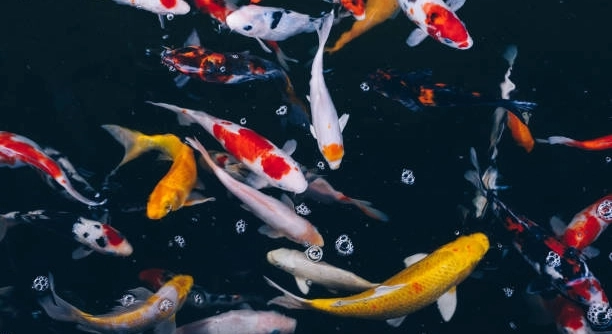
Koi fish are sensitive creatures that can become stressed during loud events like fireworks or parties. Keeping them calm is important for their health and well-being. This article will explore simple ways to help your koi stay peaceful.
The key to keeping koi calm during loud events is minimizing noise and disturbances near their pond. Using barriers, dim lighting, and providing hiding spots can reduce stress and help maintain a stable environment for your fish.
Understanding how noise and activity affect koi can improve their care. This guide offers practical tips to create a calm space for your fish during busy times.
Preparing Your Pond Before Loud Events
Before any loud event, it’s important to get your koi’s environment ready. Start by adding extra hiding places like plants, rocks, or small shelters. These spots give koi a safe place to retreat if they feel stressed. You can also cover part of the pond with a floating plant cover to help block out light and noise. Reducing vibrations in the water is another step; make sure your pond pump is working quietly and securely. Avoid sudden changes in water temperature or quality since koi are sensitive to those. If you know an event is coming, try to keep the pond area calm in the days before. This helps koi stay balanced and less reactive. These small preparations create a protective space where koi can feel more secure, even when things get noisy nearby.
Creating a calm pond environment before loud events reduces koi stress and helps keep their health stable.
Keeping the pond quiet and stable ahead of time is the best way to protect your fish during noisy occasions.
Managing Noise and Activity Near the Pond
Limiting noise near the pond is key to keeping koi calm. Use barriers like fences or bushes to block sound. Dim outdoor lights to reduce stress, and keep people from gathering close to the pond during loud events. You can also play soft background sounds near the pond to mask sudden noises. Avoid splashing or loud movements in the water, as these can frighten the fish. Keeping pets away helps too, since their barking or running can increase koi anxiety. During events, check on your koi regularly but without disturbing them. If possible, move noisy activities further from the pond. These steps help create a quieter environment that koi need to stay calm.
Protecting koi from loud noises and activity is crucial for their peace and well-being. Using barriers, gentle lighting, and controlled movement around the pond reduces stress effectively. Keeping the area calm prevents sudden shocks and helps koi maintain their normal behavior. You can also consider adding water features like gentle waterfalls, which create soothing sounds that mask louder disturbances. Ensuring the pond’s water quality remains consistent is important during busy times, as stress can weaken koi’s immune systems. Monitoring fish behavior closely lets you respond quickly if they show signs of distress, like hiding excessively or swimming erratically. These actions contribute to a stable, peaceful habitat for koi during loud events.
Providing Comfort and Shelter for Your Koi
Offering your koi a place to hide helps reduce their stress during loud events. Simple shelters like underwater caves or dense plants give koi safe spots to retreat.
Plants and structures in the pond create hiding places that koi instinctively seek when they feel threatened. These shelters reduce their exposure to sudden noises and bright lights. Dense aquatic plants also help absorb sound and soften water vibrations. By adding natural cover, koi feel less vulnerable, which lowers their stress levels. It’s helpful to arrange the pond with multiple shelter options so koi can choose the best spot. Even temporary shelters like floating plants or small boxes placed in quiet areas of the pond can work well.
Providing shaded areas can protect koi from harsh sunlight and glare, which adds to their comfort. Floating plants like water lilies create shade and help calm the water’s surface. This reduces reflections and sudden flashes that might startle koi during events. Plants also improve water quality by absorbing excess nutrients, keeping the environment healthy. Together, these comforts help koi stay calm, giving them a sense of security amid disturbances.
Monitoring Your Koi’s Behavior Closely
Watching your koi during loud events helps you know when they are stressed. Signs include hiding, rapid swimming, or loss of appetite.
If you notice any unusual behavior, try to reduce noise or add more hiding spots. Sometimes simply turning off bright lights or moving loud activities further away helps. Monitoring allows you to act quickly, preventing long-term stress. Stress can weaken koi’s immune systems, making them more prone to disease. Early detection means you can adjust the environment before problems worsen.
Keeping a log of behavior during events can reveal patterns and help you improve future preparations. Observe changes in eating habits or social interactions among your fish. Noticing subtle signs early on lets you maintain a calm, safe habitat. Regular checks during loud occasions show your commitment to their well-being and help koi feel secure.
Using Sound to Your Advantage
Soft, consistent sounds can help mask loud noises that startle koi. Playing gentle water features or calming music near the pond creates a peaceful atmosphere.
These background sounds prevent sudden noises from shocking your fish, helping them stay relaxed during busy times.
Adjusting Feeding Habits During Loud Events
Feed your koi smaller meals more often when loud events happen. This helps keep their digestion steady and reduces stress.
Avoid overfeeding, as stressed koi may not digest food well. Smaller, frequent feedings support their health and comfort in noisy environments.
Maintaining Water Quality Consistently
Stable water quality is crucial when koi face stress. Regularly check parameters like temperature, pH, and oxygen levels to keep the pond balanced.
Stress lowers koi’s ability to handle poor water conditions, so maintaining cleanliness and proper filtration helps them stay healthy during disturbances.
FAQ
How can I tell if my koi are stressed during loud events?
Signs of stress in koi include hiding more than usual, swimming erratically or rapidly, and a decreased appetite. You might also notice them staying near the bottom of the pond or gasping at the surface. Stress can make koi more vulnerable to illness, so paying close attention to changes in behavior is important.
What types of shelters work best for koi during noisy times?
Natural shelters like dense aquatic plants, underwater caves, and rock formations work well. Floating plants such as water lilies also provide shade and cover. These shelters give koi places to hide and feel secure, reducing their exposure to bright lights and sudden noises.
Can loud music or fireworks harm koi?
Loud noises like fireworks or music can cause stress in koi because they have sensitive hearing. While these sounds usually won’t cause physical harm, repeated or intense noise can lead to long-term stress, which weakens their immune system and overall health.
Is it helpful to use sound machines or calming music near the pond?
Yes, playing gentle water sounds or soft music near the pond can mask sudden loud noises. This steady background sound helps reduce koi’s reaction to spikes in noise and makes the environment more peaceful.
Should I change the water during or after a loud event?
It’s best to maintain stable water conditions throughout. Sudden water changes during stressful times can add to koi’s discomfort. Instead, check water quality regularly and do gentle partial water changes if needed before or well after the event.
How often should I feed koi during noisy occasions?
Feeding smaller amounts more frequently is best during loud events. This keeps their digestion steady and reduces the risk of uneaten food polluting the water. Avoid overfeeding, as stressed koi may not digest properly, which can worsen their condition.
What if my koi stop eating during a loud event?
It’s common for koi to eat less when stressed. Keep feeding smaller portions and be patient. If they refuse food for several days, check water quality and shelter options. Prolonged loss of appetite may need advice from a fish health specialist.
Can I move my koi to a quieter pond or tank during loud events?
Moving koi can cause additional stress unless done very carefully. It’s usually better to prepare their current pond with shelters and noise barriers. If moving is necessary, ensure water conditions match closely and minimize handling time.
Does lighting affect koi stress during noisy times?
Bright or flashing lights can increase koi stress during loud events. Using dim lighting or natural shade helps keep koi calm by reducing visual disturbances. Floating plants can provide both shelter and light control.
How long does it take for koi to calm down after a loud event?
Koi may take several hours to days to fully relax after noise stops, depending on the event’s intensity and their environment. Providing steady water conditions, shelter, and low disturbances helps speed recovery.
Can I use medications to reduce koi stress during loud events?
Medications are generally not recommended unless koi show signs of illness. Focus on prevention with environmental adjustments. If stress leads to disease, consult a professional for safe treatment options.
Are some koi breeds more sensitive to noise than others?
All koi are sensitive to loud sounds, but some individual fish may react differently based on personality or past experiences. Providing a calm, stable environment benefits all koi regardless of breed.
What long-term effects can repeated loud events have on koi?
Repeated stress can weaken koi’s immune system, making them more prone to infections and slower to heal. It can also affect growth and coloration. Consistent care and minimizing noise exposure support koi health over time.
How can I create a noise barrier around my pond?
Planting shrubs or installing fences helps block sound. You can also use outdoor screens or sound-absorbing materials near the pond. Combining physical barriers with natural cover provides the best protection from loud noises.
Is water circulation important during loud events?
Yes, steady water circulation helps maintain oxygen levels and reduces water vibrations caused by external noise. A quiet, well-maintained pump system supports koi health and comfort during noisy times.
What should I do immediately if I notice koi in distress during a loud event?
Reduce noise and light near the pond if possible. Add more shelter or cover. Check water quality and temperature quickly. If distress continues, isolate the affected fish in a calm, quiet tank and consult a fish care expert.
Keeping koi calm during loud events takes careful attention and some simple steps. Loud noises like fireworks, parties, or construction can cause stress to koi because they are very sensitive to sound and changes in their environment. Stress in koi can lead to health problems, so it is important to prepare your pond and surroundings before any noisy occasion. Creating hiding places with plants or shelters gives koi a safe space to retreat to when things get loud. Making sure water quality stays steady and feeding habits are adjusted during these times also helps koi stay healthy.
Reducing noise near the pond is one of the best ways to protect your koi. Barriers such as fences, bushes, or outdoor screens can block some of the loud sounds. Dim lighting and avoiding sudden bright flashes around the pond also make a difference. Playing gentle background sounds like soft water features can mask sudden noises and create a more peaceful space for the fish. Watching your koi closely during events will help you notice if they are stressed. Signs like hiding too much or swimming erratically mean you might need to make changes. If koi seem disturbed, try to make the environment quieter and provide more shelter.
Overall, koi need a calm, stable habitat to thrive, especially during loud events. Preparing your pond with hiding spots, managing noise, and keeping water quality stable helps protect their well-being. Adjusting feeding and watching behavior closely gives you a chance to respond quickly to any problems. With these steps, your koi can stay comfortable and safe even when things get noisy around them. Taking care of your koi in this way shows respect for their natural sensitivity and helps them live healthier, longer lives.

Hello,
If you enjoy the content that we create, please consider saying a "Thank You!" by leaving a tip.
Every little bit helps us continue crafting quality advice that supports the health, happiness, and well-being of pets around the world, for pets of all shapes, sizes, and species.
We really appreciate the kindness and support that you show us!