
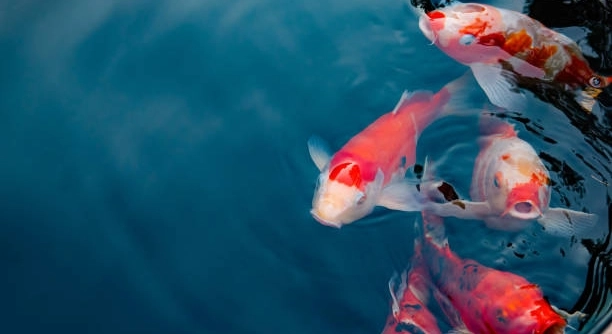
Are your koi fish swimming slower and staying near the bottom of the pond as the temperature drops outside? This shift in behavior may seem unusual, but it’s completely natural during the colder months.
Koi fish become less active in winter due to lower water temperatures, entering a state similar to hibernation called torpor. During this time, their metabolism slows down significantly, and they require minimal feeding and reduced pond maintenance.
Understanding how koi respond to winter conditions helps you care for them properly and avoid unnecessary stress.
How Cold Weather Affects Koi Fish
As temperatures drop, koi fish slow down. Their metabolism changes because they are cold-blooded and rely on the temperature of the water around them. When the water goes below 50°F (10°C), koi become sluggish. They stop eating as much and stay closer to the pond’s bottom, where the water is warmer. This resting state, called torpor, helps them conserve energy. Their immune systems also become weaker, which means they are more at risk of infections. During this time, it’s important not to disturb them too much. Avoid handling them or making big changes in their environment. Letting nature take its course allows koi to adjust at their own pace. Sudden changes in water temperature or quality can cause stress, which can lead to illness. If your pond freezes, make sure to keep a small hole in the ice to allow gas exchange. This keeps your koi safe through winter.
Cold water slows koi down and changes their needs. You’ll see less movement and lower appetite.
Their calm behavior may look concerning, but it is completely normal. Feeding should stop once water stays below 50°F. A pond thermometer helps you monitor this. Keeping the water clean and still will support their quiet season.
Preparing Your Pond for Winter
Ponds need attention before winter sets in to keep koi healthy.
Start by removing any fallen leaves or debris. These can rot and release harmful gases that may build up under ice. Use a net or pond vacuum to clean the bottom. Next, trim back any dying plants around the pond. This keeps extra organic material from entering the water. If you use a filtration system, clean it out and check that it’s running well. Some people choose to turn off their filters if the pond is deep enough and doesn’t freeze completely. Add a floating de-icer or air stone to keep a small part of the surface from freezing over. This opening allows harmful gases to escape and oxygen to enter. Don’t break the ice if it does freeze—this can harm your koi. Let warm water from a kettle slowly melt a hole instead. Finally, test your water’s quality. Check pH, ammonia, and nitrite levels, and adjust if needed. These small steps help koi stay safe all winter.
Feeding Koi in Winter
Koi fish stop eating when water temperatures drop below 50°F. Their digestive system slows down, and food can rot inside them, causing health problems. Feeding during this time can do more harm than good, so it’s best to stop completely once temperatures stay low.
If your pond stays just above 50°F for a few extra weeks, you can offer wheat germ-based food in small amounts. This type is easier for koi to digest in cooler water. Watch them closely—if they don’t show interest or leave food behind, stop feeding right away. Uneaten food will decay and affect water quality. Use a thermometer daily to track pond temperature. As soon as it stays consistently under 50°F, stop all feeding. Once koi go into torpor, they won’t need food until spring. Overfeeding can lead to bloating, stress, or even death during this resting phase.
Feeding too late into fall is a common mistake. Sometimes koi still swim around, which makes it tempting to offer food. But their behavior isn’t always a sign of hunger. They might move slowly near the surface on warmer days, but their bodies aren’t ready to digest properly. Staying cautious with feeding helps avoid health problems later in winter.
Monitoring Koi Health During Cold Months
In winter, koi become quiet and less active, but it’s still important to check on them. You don’t need to disturb them—just observe from above. Watch for signs like floating, leaning to one side, or visible injuries. These could be signs of stress or illness.
Cold water weakens their immune system, so koi are more prone to issues like ulcers or fungal growth. Early signs might be easy to miss, especially under ice or cloudy water. If your pond is frozen, don’t tap or break the ice to check on them. Use a de-icer or gently pour warm water to open a hole and peek in. Keep water quality stable, since sudden changes in pH or ammonia can quickly lead to problems. If any koi appear seriously ill, it’s usually best to wait until temperatures rise before trying to treat them. Winter is not the time for major interventions unless absolutely necessary.
Importance of Water Quality in Winter
Cold weather slows down your pond’s natural cleaning process. Waste from fish and plants breaks down more slowly, which can affect water quality. Test the water often to watch for changes in ammonia, nitrites, or pH levels. Keeping levels stable is key to your koi’s safety.
Avoid adding chemicals unless absolutely necessary. In winter, koi are more sensitive, and sudden changes in water chemistry can cause stress. If the water tests show a problem, make small, gradual adjustments. Use a pond-safe dechlorinator and avoid big water changes unless there’s an emergency.
Ideal Pond Depth and Setup
A pond with at least 3 to 4 feet of depth gives koi a safe space during freezing weather. Deeper areas stay warmer, letting koi rest undisturbed. Shallow ponds freeze more easily and may not give enough room for koi to settle at the bottom. A proper setup helps them stay healthy.
When to Restart Feeding in Spring
Wait until water temperatures stay above 50°F for several days before restarting feeding. Start with small portions of wheat germ food and slowly return to regular feed as temperatures rise. Watch how the koi respond and adjust as needed.
FAQ
Why do koi fish become less active in winter?
Koi fish are cold-blooded, meaning their body temperature depends on the water around them. When water gets cold, their metabolism slows down, and they enter a state called torpor, similar to hibernation. This means they move less and eat very little or not at all. Slowing down helps them conserve energy until warmer weather returns.
Can koi fish survive under ice?
Yes, koi can survive under ice if the pond is deep enough and a hole is kept open for oxygen exchange. Ice can block oxygen from entering the water, which is dangerous. Using a pond heater or de-icer keeps a small area of water open, allowing oxygen to flow and harmful gases to escape. Don’t break the ice by tapping or hitting it—it can stress or injure the fish.
Should I feed koi in winter?
No, feeding koi in winter is not recommended once the water temperature drops below 50°F (10°C). Their digestive system slows down, and leftover food can rot, causing water quality issues and health problems. If temperatures hover just above 50°F, you can offer small amounts of wheat germ-based food, which is easier to digest in cooler water. Stop feeding completely once it stays below 50°F.
How do I know if my koi are healthy during winter?
Koi usually stay still near the pond bottom during winter, so changes might be hard to spot. Watch for floating on the surface, odd swimming, or visible wounds. Cloudy water or ice can hide problems, so keep the pond clean and monitor water quality closely. If koi look sick, wait until temperatures rise before treating them, unless the issue is severe.
What is the best pond depth for koi in winter?
A pond depth of at least 3 to 4 feet (about 1 meter) is ideal for koi in winter. Deeper ponds stay warmer and provide a safe area for koi to rest below the freezing surface. Shallow ponds can freeze solid or get too cold for koi to survive comfortably.
Can I change the water during winter?
Large water changes are risky in winter because sudden shifts in temperature or water chemistry stress koi. If you need to add water, do it slowly and with water at a similar temperature to the pond. Avoid using chemicals or treatments unless absolutely necessary. Small, careful adjustments help keep water stable.
What if my pond freezes completely?
If the pond freezes solid, koi can be in danger due to lack of oxygen. Using a pond heater or aerator before freezing temperatures arrive helps prevent this. If ice forms, keep a small opening by using a floating de-icer or gently melt ice with warm water. Avoid breaking ice by force to prevent injury or stress to your fish.
How often should I check the pond in winter?
Check your pond at least once a week during winter. Look for ice cover, water clarity, and koi behavior. Make sure there’s a hole in the ice or use a de-icer to keep oxygen flowing. Testing water parameters like pH, ammonia, and nitrites regularly helps prevent issues.
When is it safe to start feeding koi again?
Wait until the water temperature stays above 50°F for several days in a row before feeding koi again. Start with small amounts of wheat germ food, which is easy to digest, then gradually return to regular feeding. Watch koi behavior—if they eagerly eat, it’s a good sign they are ready.
Can koi get sick during winter?
Yes, koi can become ill in winter because their immune systems weaken in cold water. Poor water quality or stress can lead to infections like fungal growth or ulcers. Keeping the pond clean, stable, and avoiding disturbances helps prevent sickness. Treating illnesses during winter should be done cautiously, preferably when water warms up.
Is it normal for koi to stay at the bottom all winter?
Yes, it’s normal. Koi stay near the pond bottom because it’s warmer and calmer. This helps conserve energy. They may look inactive or quiet, but this is part of their natural winter behavior.
What should I do if I see dead koi in winter?
Remove dead koi quickly to prevent water contamination. Check water quality and oxygen levels. Dead fish may signal problems like poor water or oxygen deficiency. Avoid sudden water changes; make gradual adjustments. Consider consulting a vet or pond specialist before treating the pond.
Can koi adapt to cold climates?
Koi are hardy and can adapt to cold climates if the pond is set up properly. Deep ponds, good water quality, and oxygenation help them survive winter safely. Proper preparation before the cold arrives is key to healthy koi through winter.
Is it necessary to cover my pond in winter?
Covering the pond with a net or floating cover can prevent debris from falling in, but it should not block airflow or sunlight. Make sure there’s still an opening for oxygen exchange. Avoid covering the pond completely with ice or snow buildup, which reduces oxygen levels.
How long can koi survive without food?
Koi can survive several months without food during winter because their metabolism slows down. They live off stored energy until water temperatures rise. Feeding them when they can’t digest food properly can cause health problems, so it’s safer to let them rest.
What signs show koi are ready to eat after winter?
When koi start swimming more actively near the surface and show interest in food, it’s a sign they are ready to eat. The water temperature should be consistently above 50°F. Start feeding small amounts and watch for good digestion before increasing food.
Koi fish need special care during the winter months because their bodies react differently to cold water. When temperatures drop, koi slow down and become less active, entering a state called torpor. This natural resting phase helps them save energy and survive when food is scarce. It is important to understand that koi do not behave the same way in winter as they do in warmer seasons. They may stay near the bottom of the pond, move slowly, and eat very little or nothing at all. Recognizing these changes is key to providing the right care without stressing the fish.
Maintaining a clean and stable pond environment is very important during winter. Since koi eat less or stop eating completely, leftover food should not be added because it can cause water quality problems. Keeping debris out of the pond and ensuring that the water does not freeze completely helps the fish breathe and stay healthy. A pond that is deep enough, with at least 3 to 4 feet of water, allows koi to find a comfortable place where temperatures stay more stable. Using a pond heater or de-icer to keep a small hole in the ice is a good way to ensure oxygen exchange. Avoid making sudden changes to water temperature or chemistry because koi are more sensitive in cold weather.
When spring arrives and the water warms above 50°F, it is safe to start feeding koi again. Begin with small amounts of easy-to-digest food like wheat germ to avoid upsetting their slowed-down digestion. Gradually increasing feeding as the koi become more active helps them regain strength. Watching their behavior closely during this time can help prevent problems. Winter can be a challenging time for koi fish, but with careful attention to their needs and pond conditions, they can safely make it through the cold season and come back healthy and lively when warmer weather returns.

Hello,
If you enjoy the content that we create, please consider saying a "Thank You!" by leaving a tip.
Every little bit helps us continue crafting quality advice that supports the health, happiness, and well-being of pets around the world, for pets of all shapes, sizes, and species.
We really appreciate the kindness and support that you show us!