
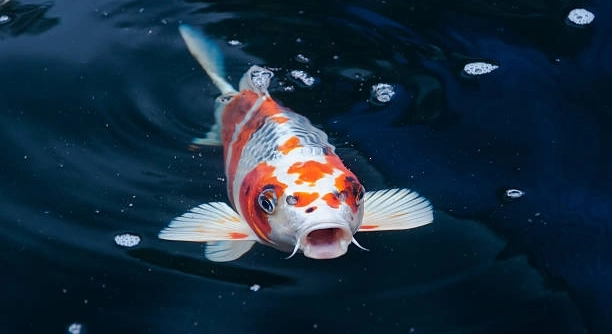
Koi fish are beautiful and peaceful creatures that many people enjoy keeping in their ponds. Sometimes, these fish may start acting dazed or confused, which can worry any owner. Knowing what to do in such moments is important for their care and well-being.
When koi fish act dazed, it is often a sign of stress, illness, or poor water quality. Immediate steps include checking water parameters, removing any harmful substances, and isolating the affected fish if needed to prevent the spread of disease. Proper treatment depends on identifying the root cause.
Learning to recognize and respond to these signs will help keep koi healthy and comfortable. Understanding the reasons behind their behavior is key to providing the best care possible.
Common Causes of Dazed Behavior in Koi Fish
Koi fish can appear dazed for several reasons, often related to their environment or health. One frequent cause is poor water quality, which can stress fish and affect their nervous system. High ammonia or nitrite levels are particularly harmful and can make koi swim erratically or seem disoriented. Another common factor is low oxygen levels, especially in hot weather or overcrowded ponds. Parasites and infections may also lead to unusual behavior. Internal parasites or bacterial infections can weaken fish and cause lethargy or confusion. Injuries or sudden changes in water temperature might shock koi and result in dazed movements. It is essential to observe the whole pond ecosystem and check water regularly to spot issues early. Timely intervention can prevent small problems from becoming serious and keep koi swimming smoothly.
Water quality testing kits are an easy way to monitor your pond’s health. Regular checks help you act quickly before koi show signs of distress.
Understanding these causes will help you maintain a stable environment and protect your koi’s health over time.
How to Check Your Pond Environment
Checking your pond’s environment starts with testing water parameters. Use a kit to measure ammonia, nitrite, nitrate, pH, and oxygen levels regularly. Each of these affects koi health in different ways. Ammonia and nitrite should be near zero, as they are toxic. Nitrate can build up but should stay under 40 ppm. The pH should be stable, ideally between 7 and 8.5. Oxygen levels drop during warm weather or overcrowding, so aeration might be necessary. Observing your koi’s behavior during these checks can give clues about water conditions. Cloudy or smelly water is a sign to act fast. Keep pond filters clean and maintain proper water circulation to support a healthy environment. If water quality is poor, a partial water change can reduce toxins and improve conditions quickly.
Treating and Preventing Dazed Behavior in Koi
When koi show signs of being dazed, the first step is improving water quality. Change 20-30% of the pond water, ensuring the new water matches temperature and pH to avoid shock. Adding an aerator or increasing filtration can raise oxygen levels. If infection or parasites are suspected, treatments like antibacterial medications or antiparasitic dips may be needed. Always follow product instructions carefully to avoid harming your fish. Isolate any affected koi in a quarantine tank to prevent spreading illness. Monitor their recovery and continue testing water quality. Preventive measures are the best defense: regular cleaning, balanced feeding, and avoiding overcrowding keep koi healthy. Proper pond maintenance and careful observation can reduce stress and keep koi lively. Taking these actions promptly will help your koi recover and return to normal behavior faster.
Recognizing Symptoms Beyond Dazed Behavior
Dazed koi may also show other signs like slow swimming, loss of appetite, or clamped fins. These behaviors indicate stress or illness and should not be ignored.
It’s important to watch for unusual spots, discoloration, or frayed fins. These symptoms can signal infections or parasites that need treatment. Changes in breathing, such as rapid gill movement, may point to low oxygen or gill disease. Observing how koi interact with others is also useful; isolated or hiding fish might be unwell. Early detection improves treatment success and reduces risk to other pond inhabitants.
If you notice any of these symptoms, test your pond’s water quality immediately. Combine observation with testing to diagnose problems more accurately and decide on the best course of action.
Importance of Regular Pond Maintenance
Regular pond maintenance is essential to prevent koi from acting dazed or showing signs of illness. Cleaning filters and removing debris keeps water clear and balanced. Uneaten food and plant waste can decay, raising harmful chemicals that stress fish. Maintaining proper water circulation helps oxygen reach all areas of the pond. Seasonal tasks, like removing fallen leaves in autumn and adjusting aeration in summer, support pond health throughout the year. Feeding koi a balanced diet in moderate amounts prevents excess nutrients and water pollution. Consistent care creates a stable environment where koi thrive, reducing the chance of behavioral problems and diseases. Making pond maintenance part of your routine is one of the best ways to keep your koi active and healthy.
Feeding Habits and Their Impact
Overfeeding can cause water quality to drop quickly, leading to stress and dazed behavior in koi. Feeding small amounts once or twice a day is best.
Koi need a balanced diet to stay healthy. Poor nutrition weakens their immune system and makes them more vulnerable to illness.
When to Contact a Veterinarian
If koi remain dazed despite improving water and diet, a veterinarian’s advice is necessary. Persistent symptoms may indicate serious infections or organ issues needing professional treatment.
Monitoring Temperature Changes
Sudden temperature shifts can shock koi, causing confusion and lethargy. Keeping the pond stable helps prevent these problems.
Using Medication Safely
Always follow instructions when treating koi. Incorrect use of medication can harm fish and worsen conditions.
FAQ
What does it mean when my koi fish act dazed?
When koi appear dazed, it usually signals stress or health problems. This can come from poor water quality, low oxygen, infections, or parasites. Their nervous system may be affected, causing them to swim slowly, lose balance, or seem confused. Acting quickly to check the pond conditions and the fish’s health is important.
How can I improve water quality to help my koi?
Test your pond water regularly for ammonia, nitrite, nitrate, pH, and oxygen levels. Perform partial water changes to reduce toxins, clean filters often, and make sure the water circulates well. Avoid overcrowding and remove debris that can pollute the water. These steps create a safer environment for your koi.
Can temperature changes cause koi to act dazed?
Yes, sudden shifts in water temperature can shock koi. Rapid changes can disturb their metabolism and immune response, making them lethargic or disoriented. It’s best to keep the pond temperature stable and avoid sudden additions of cold or hot water.
How do I know if my koi has parasites or infections?
Look for unusual spots, redness, frayed fins, or white patches on the fish. Excessive scratching or rubbing against objects also indicates parasites. Loss of appetite and abnormal swimming patterns can accompany infections. If you see these signs, quarantine the fish and consider treatment options.
Is it safe to medicate koi in a shared pond?
Medication can stress other healthy fish if not used carefully. It’s better to isolate sick koi in a quarantine tank before treatment. Always follow the instructions for dosages and treatment duration to avoid harming the entire pond ecosystem.
What should I feed koi to keep them healthy?
Koi thrive on a balanced diet of high-quality pellets made specifically for them. Avoid overfeeding; feed small amounts once or twice daily. Supplement with occasional treats like vegetables or fruits but avoid anything that can pollute the water or upset digestion.
How often should I test my pond water?
Testing once a week is good practice, especially during hot weather or after adding new fish. More frequent checks may be needed if koi show signs of illness or if you notice changes in water clarity or smell.
Why do koi hide when they feel unwell?
Koi tend to hide to protect themselves from predators or stress when they feel weak or sick. Hiding is a natural survival instinct but also a warning sign that something is wrong with their health or environment.
What can I do if my koi loses appetite?
Loss of appetite often means stress or illness. Check water quality and temperature first. If these are normal, look for signs of infection or parasites. Isolate the fish and consider veterinary help if the problem persists more than a few days.
Can poor pond maintenance cause dazed behavior?
Yes, neglecting cleaning and water changes can lead to toxin buildup and oxygen depletion. This stresses koi and may cause disorientation. Routine maintenance keeps the environment safe and reduces health problems.
How long does it take for koi to recover after treatment?
Recovery time depends on the issue and treatment used. Mild stress or water quality problems can improve within days, while infections may take weeks. Patience and ongoing care are necessary for full healing.
Is overcrowding harmful to koi behavior?
Overcrowding raises waste levels and lowers oxygen, stressing koi and affecting behavior. Ensure enough space for each fish and maintain good filtration to avoid these problems. Less crowding means healthier, calmer koi.
When should I call a veterinarian for koi?
If koi remain dazed after correcting water and environment issues or show severe symptoms like bleeding, open sores, or constant erratic swimming, seek professional advice. Early diagnosis helps treat serious conditions effectively.
Final Thoughts
Taking care of koi fish means paying close attention to their behavior and environment. When koi act dazed, it is often a sign that something is wrong with their water quality, health, or surroundings. Acting quickly by checking water parameters and observing the fish closely can prevent small issues from becoming bigger problems. Keeping the pond clean and balanced helps koi stay healthy and happy. It is important to test the water regularly, clean filters, and remove any debris or uneaten food that could harm the fish.
Stress is one of the main reasons koi may act dazed. Stress can come from poor water conditions, sudden temperature changes, overcrowding, or illness. Preventing stress by maintaining a stable environment and feeding your koi properly supports their immune system. Healthy koi are less likely to become sick or behave unusually. If you notice symptoms like slow swimming, loss of appetite, or spots on their body, it is a good idea to check the water quality and consider isolating the affected fish. Early treatment and careful care give koi the best chance to recover.
If problems continue or get worse, consulting a veterinarian who specializes in fish can be very helpful. Some health issues need professional diagnosis and medication to improve. Always follow treatment instructions carefully to avoid causing more harm. Remember, regular pond maintenance and observation are the best ways to keep your koi fish thriving. With patience and attention, you can enjoy a healthy pond and lively koi for years to come.

Hello,
If you enjoy the content that we create, please consider saying a "Thank You!" by leaving a tip.
Every little bit helps us continue crafting quality advice that supports the health, happiness, and well-being of pets around the world, for pets of all shapes, sizes, and species.
We really appreciate the kindness and support that you show us!