
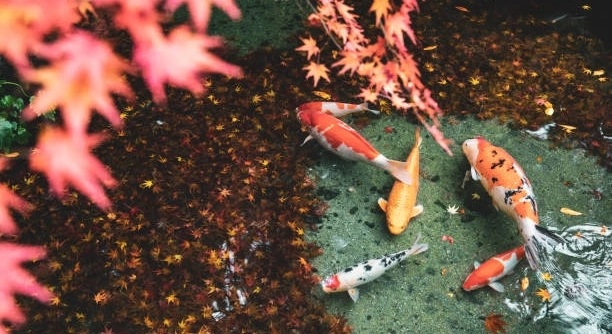
Are your koi showing signs of stress or acting differently as temperatures rise during the warmer months? Koi ponds can easily overheat if not managed properly, leading to health issues for your fish.
The key to avoiding koi pond overheating lies in maintaining proper shading, aeration, and water circulation. These elements work together to keep temperatures stable, ensuring a healthy environment for your koi even during peak summer heat.
This article breaks down seven practical tips that can help you protect your koi from overheating and keep your pond thriving year-round.
Add Shade to Your Pond
Keeping your koi pond shaded is one of the easiest ways to prevent overheating. Direct sunlight can quickly raise water temperatures, especially in shallow ponds. You can add shade by using floating plants like water lilies or lotus, which help block sunlight naturally. Another option is installing a shade sail or using patio umbrellas. Trees nearby can also provide partial coverage, but make sure falling leaves don’t become a problem. Creating shade not only helps maintain stable water temperatures, but also slows algae growth. Your koi will appreciate the cooler, more comfortable environment, and you’ll spend less time managing water issues caused by heat and sun.
Shade can reduce the temperature by several degrees, making it easier to keep things stable during hot afternoons.
It’s also helpful to combine different types of shade to cover at least half the pond. This gives your koi options and improves their overall comfort during summer months.
Improve Aeration in the Water
Aeration helps maintain oxygen levels and keeps the pond water cooler during hot weather.
Use air stones, diffusers, or a waterfall feature to improve water movement. This helps bring oxygen into the water and keeps it from becoming stagnant. When the temperature rises, the oxygen level naturally drops, which can stress your koi. A properly aerated pond prevents this and supports healthier fish. Aim to keep the water moving, especially at the surface. Choose aeration systems based on the size and depth of your pond to ensure full coverage. Solar-powered options can also work well if you want to save on electricity. If you already have a filter system, check if it has built-in aeration and make sure it’s running efficiently. Water circulation and fresh oxygen can make a big difference when trying to keep your pond cool and your koi stress-free. Even simple changes like adjusting a fountain’s flow or cleaning your pumps can help.
Use a Pond Thermometer
A pond thermometer helps you keep track of temperature changes before they become a problem. It’s a simple tool that shows you when it’s time to take action, like increasing shade or improving circulation.
Pick a floating or submersible thermometer that’s easy to read and suited for outdoor use. Check the water temperature at different times of the day to understand how it changes. Ideal koi pond temperatures stay between 65°F and 75°F. If it goes above that, your koi may become stressed. Avoid placing the thermometer in shallow or fully shaded areas only, since those can give false readings. Move it around occasionally to monitor various spots. Keeping consistent records can help you notice trends and react quicker when needed. Thermometers are low-cost and easy to use, making them one of the most effective tools for basic pond care.
It’s also helpful to compare surface temperatures with deeper readings when possible. Shallow water heats faster and can give a false sense of the pond’s overall condition. Using multiple readings from different areas gives a better picture of what’s happening under the surface. It doesn’t take much time, but it can really help when the weather becomes unpredictable. Consistent checks will keep your koi safer in the heat.
Limit Feeding During Hot Days
When the water is too warm, koi have a harder time digesting food. Their metabolism slows down, and uneaten food can quickly pollute the pond. Try feeding less often, or offer smaller portions during extreme heat.
On very hot days, consider skipping feeding altogether. Koi can go without food for a short time without any harm. Overfeeding when temperatures are high may increase ammonia levels and stress your filtration system. Uneaten food also attracts pests and causes water clarity issues. Stick with easily digestible food if you do feed—wheat germ-based formulas are a good choice in heat. Always remove leftover food after a few minutes. Observing your koi before and after feeding can help you judge their appetite and comfort. If they seem sluggish, hold off until things cool down. Small adjustments to your feeding routine during heat waves can help maintain better water quality and healthier fish.
Keep Water Levels Stable
Low water levels heat up faster and reduce surface area for oxygen exchange. Refill your pond regularly, especially during dry or windy days. Even a few inches lost can make a big difference in temperature control.
Use dechlorinated water when topping off your pond. Sudden water changes can shock your koi and harm their health.
Clean Filters and Pumps Regularly
Dirty filters and clogged pumps reduce water circulation, which can raise temperatures and lower oxygen. Check equipment weekly during the summer and clean off debris or algae buildup. A strong, clean system helps your pond stay cooler and more balanced. Pay attention to water flow and fix any slowdowns quickly.
Avoid Dark Pond Liners
Dark liners absorb heat and can raise water temperature during sunny days. If building a new pond, consider lighter colors or add extra shading if you already have a dark liner. Even small changes help reduce heat buildup.
FAQ
How hot is too hot for a koi pond?
Temperatures above 80°F (27°C) are generally considered too high for koi. At this level, oxygen levels begin to drop, and koi may become stressed. Anything over 85°F (29°C) can lead to serious health risks like heat exhaustion, oxygen deprivation, or even death in extreme cases. Shallow ponds and those without shade or circulation heat up faster. Use a pond thermometer to check water temperature daily during warm months. It’s important to take action quickly if the water starts reaching unsafe levels. Adding shade, improving aeration, and reducing feeding can all help stabilize the pond.
Why do koi get stressed in hot water?
Hot water holds less oxygen, and koi need plenty of oxygen to stay healthy. As the temperature rises, their metabolism speeds up at first, increasing their oxygen demand. But the hotter the water gets, the less oxygen it can hold. This imbalance can make koi breathe faster, act sluggish, or stay near the surface gasping for air. Prolonged exposure to hot water increases the risk of illness, weakens their immune system, and can cause sudden death if not addressed. Signs of stress include clamped fins, reduced appetite, odd swimming behavior, and color fading.
Do pond plants help cool the water?
Yes, floating and marginal plants can help keep the water cooler by blocking direct sunlight and providing shade. Water lilies, lotus, and hyacinths are great options that float on the surface. They reduce the amount of light that penetrates the pond, which slows down water heating and algae growth. Plants also help balance the ecosystem by absorbing excess nutrients and releasing oxygen. However, don’t overfill your pond with plants, as too many can limit oxygen exchange and reduce swimming space for your koi. Aim for 30–50% surface coverage with plants during summer.
Should I run my pond pump all day during summer?
Yes, it’s best to run your pond pump continuously during hot weather. Constant water movement helps maintain stable temperatures, improves oxygen levels, and keeps filtration working efficiently. Turning off the pump can lead to stagnant zones, low oxygen, and rising heat. If you need to reduce energy use, consider running the pump at full power during the hottest parts of the day and lowering it slightly at night. Solar-powered backup systems can also help if there’s a power outage. Just make sure your pump is in good condition and free of blockages.
What kind of shade is best for koi ponds?
The best shade options are ones that cover a large area without restricting air circulation. Shade sails are easy to install and work well. Large patio umbrellas, pergolas with slats, or even overhead netting can also help. If you prefer a natural look, planting shrubs or trees near the pond can provide dappled shade. Just keep in mind that too many leaves or debris falling into the pond can affect water quality. Floating plants like lilies are a great addition and help block sunlight right at the water’s surface.
Can I add ice or cold water to cool down the pond?
It’s better to avoid adding ice or cold water directly. Sudden temperature changes can shock your koi and harm their immune system. If you must cool the pond quickly, use small, gradual water changes with dechlorinated water that’s only slightly cooler. Another method is to improve surface aeration with a fan or mister. If extreme heat is consistent, consider adding a pond chiller or setting up a more permanent shade structure. Always monitor the temperature after making adjustments and watch your koi for any unusual behavior.
How often should I check my pond during summer?
Check your pond at least once or twice a day during hot weather. Look at water temperature, oxygen levels (if you have a tester), fish behavior, and equipment function. Morning and late afternoon are good times to observe your pond when the heat changes most. Early signs of overheating or stress are easier to fix if caught early. Daily checks help you notice problems like algae blooms, falling water levels, or reduced pump flow before they become serious. The more attention you give during heat waves, the healthier your koi will be.
Final Thoughts
Keeping your koi pond from overheating takes a bit of daily attention, especially during the warmer months. Simple steps like adding shade, improving water movement, and checking the temperature regularly can make a big difference. You don’t need expensive equipment or major changes to see results. Even a few floating plants or adjusting how often you feed your koi can help protect them from the stress that comes with high temperatures. When you make small improvements over time, your pond becomes a more stable, healthier space for your koi to live.
It’s also important to stay consistent. Skipping checks or forgetting to clean the filter may not cause problems right away, but during a heatwave, these little things can add up quickly. Fish rely on stable conditions, and overheating puts pressure on every part of the pond system. By checking the pond each day—especially during hot spells—you’ll notice changes sooner and have more time to respond. Tools like a pond thermometer, a shade structure, or an extra air pump are simple investments that bring peace of mind and long-term benefits.
The key is to be prepared and stay aware. Koi are strong fish, but they still need help when the weather gets too hot. Watching them closely, adjusting their care routine as needed, and learning from each season will help you grow more confident in caring for your pond. Each pond is a little different, and over time, you’ll find the mix of tips that works best for your space. With a bit of patience and regular care, your pond can remain a safe, cool place for your koi all summer long.

Hello,
If you enjoy the content that we create, please consider saying a "Thank You!" by leaving a tip.
Every little bit helps us continue crafting quality advice that supports the health, happiness, and well-being of pets around the world, for pets of all shapes, sizes, and species.
We really appreciate the kindness and support that you show us!