
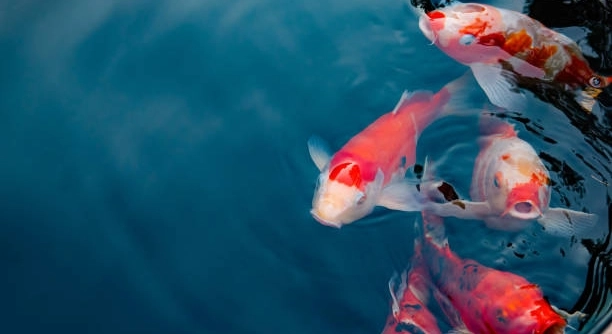
Koi fish are known for their graceful swimming and bright colors. Sometimes, people notice them floating at the surface even when they are alive. This behavior can be confusing for koi owners and enthusiasts alike.
Koi fish float when they are not dead due to various reasons such as buoyancy issues caused by swim bladder problems, water temperature changes, or stress. These factors affect the fish’s ability to control their position in the water.
Understanding why koi float can help keep them healthy and prevent serious problems. This article explains the main causes and what to watch for to care for your koi properly.
Why Koi Fish Float: Swim Bladder Issues
The swim bladder is a small organ inside a koi fish that helps it control buoyancy. When this organ doesn’t work properly, koi can lose control of their position in the water. Swim bladder problems may happen because of infections, poor diet, or swallowing air while eating. These issues cause the fish to float on the surface or even tip upside down. It can be frustrating to see a healthy koi struggling to swim normally. Swim bladder problems often require careful attention to water quality and diet to improve the fish’s condition. Sometimes, mild cases get better on their own with proper care. It is important to notice early signs to avoid serious complications.
Swim bladder problems are one of the most common reasons koi float while still alive. Treating it quickly can prevent long-term damage.
Knowing how to care for koi with swim bladder issues will help you keep your fish comfortable and safe. Adjusting feeding habits and maintaining clean water are key steps to support their recovery.
Water Temperature and Stress Effects
Water temperature plays a big role in koi behavior. Sudden changes or extreme temperatures can make koi float more often. When the water is too warm or too cold, koi metabolism slows down, affecting their swim bladder function. Stress from poor water conditions, overcrowding, or handling can also cause koi to float. Stress weakens their immune system, making them more vulnerable to swim bladder problems and infections. Keeping the water stable and stress-free helps koi swim normally and stay healthy.
Proper water temperature and low stress levels are essential for preventing koi from floating unnecessarily.
Maintaining stable water temperature is one of the easiest ways to protect koi health. Use a reliable heater or chiller when needed to avoid sudden shifts. Monitor water quality regularly, and avoid sudden changes during cleaning or water replacement. Reduce stress by not overcrowding the pond and limiting handling. Calm, well-maintained environments help koi maintain balance and swim freely without floating at the surface.
Diet and Feeding Habits
Overfeeding koi can cause them to float because excess food leads to digestive problems. Uneaten food can also pollute the water, adding stress to the fish. Feeding the right amount and type of food is important to prevent these issues.
Poor diet often results in constipation or gas buildup inside the koi’s digestive system. This extra gas can cause koi to become buoyant and float awkwardly. Feeding high-quality pellets and soaking dry food before feeding can help reduce air swallowing. Avoid feeding too many treats like bread or frozen foods that can upset digestion. Regular feeding schedules and balanced nutrition keep koi healthy and less likely to float due to diet-related causes.
Sometimes, adjusting the diet alone won’t fix floating if other health issues exist. It’s important to observe your koi closely and improve feeding habits along with water quality management.
Water Quality and Its Impact
Dirty or unbalanced water affects koi health and can lead to floating. Poor water quality causes stress, weakens the immune system, and sometimes damages internal organs, including the swim bladder. Keeping the water clean and well-filtered helps prevent many health problems.
Regular water testing is necessary to monitor ammonia, nitrite, nitrate, and pH levels. High ammonia or nitrite can poison koi, leading to erratic swimming and floating. Frequent partial water changes reduce waste buildup and maintain good oxygen levels. Also, removing debris and cleaning filters prevent harmful bacteria from growing. A well-maintained pond keeps koi comfortable and less likely to experience buoyancy issues. Water quality directly influences koi vitality and behavior, so staying on top of maintenance routines is essential for their well-being.
Common Diseases That Cause Floating
Certain diseases can make koi float by affecting their swim bladder or overall health. Bacterial infections and parasites are often to blame. Early detection and treatment are crucial to prevent serious damage.
Ignoring symptoms can lead to worsening conditions. Quarantine sick fish and consult a vet or expert for proper medication.
How to Help a Floating Koi
Improving water quality and adjusting diet are first steps when koi start floating. Adding aquarium salt can reduce stress and support healing. Keep the pond clean and observe the fish daily. If symptoms persist, seek professional advice.
Preventing Floating in Koi Fish
Regular maintenance and careful monitoring of koi health can prevent floating issues. Balanced diet, stable water temperature, and good water quality reduce the risk significantly.
When to Call a Professional
If koi continue to float despite all care, it’s time to consult a specialist. Persistent floating can indicate serious internal problems needing expert treatment.
FAQ
Why is my koi fish floating at the surface but still moving?
Koi that float at the surface yet still move are usually dealing with buoyancy problems caused by swim bladder issues, water temperature changes, or stress. These conditions affect their ability to maintain normal swimming. Sometimes, they float to get more oxygen or because they feel weak. Checking water quality and diet can help solve this problem.
Can overfeeding cause koi to float?
Yes, overfeeding is a common cause of koi floating. When koi eat too much or consume the wrong type of food, they can develop digestive issues like constipation or gas. This builds up pressure inside their bodies, making it hard for them to swim properly. Feeding smaller amounts and high-quality food reduces the risk of floating due to diet problems.
Is floating always a sign that my koi is sick?
Floating doesn’t always mean your koi is sick, but it often signals some type of problem. Sometimes koi float because of harmless factors like temperature changes or mild stress. However, if floating lasts more than a day or is accompanied by other symptoms like lethargy or loss of appetite, it’s best to investigate further.
How does water temperature affect koi buoyancy?
Koi are sensitive to water temperature. If the water is too warm or too cold, their metabolism slows down, which can affect their swim bladder function. This makes it difficult for them to swim properly, causing floating. Maintaining a stable temperature helps prevent these issues and keeps koi swimming normally.
What should I do if my koi is floating but still eating?
If your koi is floating but continues to eat, monitor the situation closely. Check water quality and temperature, reduce feeding slightly, and consider adding aquarium salt to reduce stress. Improving pond conditions can often help koi recover without medical treatment.
Can poor water quality cause koi to float?
Yes, poor water quality is a major factor that can cause koi to float. High levels of ammonia, nitrite, or nitrate, as well as low oxygen, put stress on koi and weaken their bodies. Stress affects their swim bladder and overall health, leading to floating. Regular water testing and cleaning help maintain good water quality.
Is swim bladder disease common in koi?
Swim bladder disease is fairly common in koi and other fish. It can be caused by infections, injury, diet, or environmental factors. The disease affects the fish’s ability to control buoyancy, leading to floating or sinking. Early attention to symptoms and proper care usually improve the condition.
How long does it take for a koi to recover from floating problems?
Recovery time varies depending on the cause. Minor issues like temperature stress or diet-related problems may resolve in a few days with proper care. More serious causes like infections or swim bladder disease can take weeks and may require medication. Consistent care and monitoring are key.
Can aquarium salt help koi that are floating?
Aquarium salt can help reduce stress and improve the health of koi with floating problems. It supports gill function and reduces the risk of infections. However, salt should be used carefully and in proper amounts to avoid harming the fish or pond plants.
When should I consult a vet about a floating koi?
If koi float for more than a couple of days, show signs of distress like rapid breathing, swelling, or loss of appetite, or don’t improve after adjusting care, it’s time to consult a vet. Professional diagnosis and treatment may be needed for infections or serious swim bladder issues.
Can koi float due to old age?
Older koi may float more often due to weakening muscles or organs, including the swim bladder. Age-related changes can reduce their ability to swim properly. While floating in older koi isn’t unusual, it’s still important to maintain good care to keep them comfortable and healthy.
Does pond overcrowding cause koi to float?
Yes, overcrowding increases stress and reduces oxygen in the pond, which can cause koi to float. Overcrowded ponds also lead to poor water quality, further harming koi health. Keeping the pond population balanced helps prevent floating and other health problems.
How can I prevent my koi from floating in the future?
Preventing koi from floating involves maintaining good water quality, feeding balanced diets, avoiding overfeeding, keeping stable water temperatures, and reducing stressors like overcrowding. Regular pond maintenance and observation help catch problems early before koi start floating.
Is it normal for koi to rest at the surface sometimes?
Koi sometimes rest near the surface, especially when the water is warm or they want more oxygen. This behavior isn’t always a concern if the fish look healthy and active otherwise. However, constant floating or inability to dive usually means something is wrong.
What role does oxygen play in koi floating?
Low oxygen levels make koi swim near the surface where oxygen is higher. This can look like floating but is actually a sign the fish is struggling to breathe. Ensuring good aeration and clean water keeps oxygen levels safe and reduces floating caused by oxygen deprivation.
Can swim bladder problems be treated at home?
Some swim bladder issues can be treated at home by improving diet, water quality, and reducing stress. Feeding peas or fasting for a day may help with constipation-related buoyancy problems. However, if symptoms persist or worsen, professional treatment is necessary.
Floating koi fish can seem worrying, but understanding why it happens helps you take better care of them. Many reasons cause koi to float while still alive, such as swim bladder problems, water temperature changes, diet issues, and stress. Sometimes floating is temporary and harmless, but other times it points to a health concern that needs attention. Watching your koi closely and knowing what affects their buoyancy will help you spot problems early and act quickly.
Keeping your pond clean and balanced is one of the best ways to prevent floating issues. Good water quality, stable temperatures, and proper filtration create a safe environment for koi to swim freely. Feeding your koi a balanced diet in the right amounts supports their digestion and reduces the risk of swim bladder troubles. Avoiding sudden changes to their habitat also lowers stress, which can affect their swimming ability. Simple, regular maintenance helps koi stay healthy and reduces the chances of them floating unexpectedly.
If your koi begin to float and don’t improve after making these changes, it may be time to seek help from an expert. Sometimes infections or swim bladder diseases require treatment that goes beyond basic care. Acting early is important to give your fish the best chance to recover. By paying attention to their behavior and environment, you can enjoy healthy koi swimming gracefully in your pond for many years. Taking small steps daily makes a big difference in keeping your koi comfortable and well.

Hello,
If you enjoy the content that we create, please consider saying a "Thank You!" by leaving a tip.
Every little bit helps us continue crafting quality advice that supports the health, happiness, and well-being of pets around the world, for pets of all shapes, sizes, and species.
We really appreciate the kindness and support that you show us!