
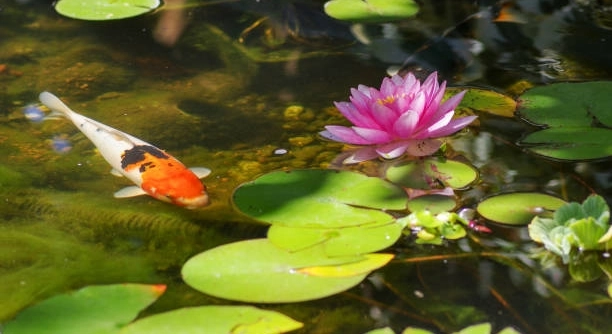
Keeping koi calm in a pond requires careful attention to their environment. Many factors influence their behavior, such as water quality, temperature, and pond design. Maintaining a peaceful setting helps ensure the fish stay healthy and stress-free.
To keep koi calm, it is essential to regulate water temperature, maintain proper oxygen levels, reduce noise and vibrations, and provide adequate hiding spaces. These adjustments help minimize stress responses and promote a stable, tranquil environment for the fish.
This article explains simple adjustments to create a calm pond atmosphere for koi. Understanding these steps will help maintain a healthier, more peaceful aquatic habitat.
Understanding Water Quality and Temperature
Water quality directly affects koi behavior and health. Keeping water clean and balanced reduces stress and helps koi stay calm. Regular testing of pH, ammonia, nitrite, and nitrate levels is necessary. Ideal pH levels should range between 7.0 and 8.0. Ammonia and nitrite must be close to zero, as even small amounts can harm the fish. Temperature fluctuations can disturb koi, so aim to keep the pond water steady, ideally between 65°F and 75°F. Sudden temperature changes may cause stress, making koi more active or hiding excessively. Using a pond heater or shade structures can help maintain a consistent temperature, especially during extreme weather. Regular water changes also improve overall quality and oxygen levels. Clear, well-oxygenated water creates a comfortable environment, encouraging koi to swim calmly and thrive.
Water quality and temperature regulation are essential for koi well-being. Maintaining these aspects supports a peaceful pond environment.
Balancing water parameters requires consistent monitoring and maintenance. Investing in a reliable testing kit helps identify issues early. Consider installing aerators or waterfalls to boost oxygen levels. Adding aquatic plants also assists with filtration and provides natural shade. Avoid overcrowding, as too many fish can reduce water quality. When temperatures drop, using pond heaters prevents stress. In summer, shading options like floating plants or pond covers reduce heat exposure. Keeping water conditions stable protects koi from illness and behavioral problems. Regular care ensures koi remain calm and healthy, making pond upkeep more rewarding and less stressful overall.
Minimizing Noise and Providing Shelter
Noise and vibrations disrupt koi and increase stress levels. Keeping the pond area quiet helps maintain calm fish.
Excessive noise from lawn equipment, pets, or nearby traffic can startle koi. Installing barriers like fences or shrubs around the pond helps reduce sound. Providing hiding places with rocks, plants, or pond caves offers koi a safe retreat. Shelters help koi feel secure, especially during stressful situations like feeding or changes in weather. When koi have space to hide, they exhibit less erratic behavior and appear more relaxed. Designing the pond with quiet zones and natural cover improves koi comfort and overall pond harmony.
Regulating Pond Lighting
Proper lighting impacts koi behavior. Bright or sudden lights can cause stress, while soft, consistent lighting helps koi remain calm and active.
Using dimmable or natural lighting near the pond supports a tranquil atmosphere. Avoid placing strong lights directly over the water, as it can disturb the fish’s natural rhythm. Consider using underwater LED lights with adjustable brightness to create a gentle glow. Timers help maintain a regular light schedule, mimicking natural day and night cycles. This consistency supports koi health and reduces erratic swimming caused by abrupt light changes. Natural shade from trees or plants also helps filter harsh sunlight, protecting koi from overheating and stress.
Regular lighting adjustments can positively influence koi behavior. Creating a calm lighting environment benefits both the fish and the pond’s overall aesthetic.
Feeding Practices for Calm Koi
Feeding koi properly is key to maintaining their calm behavior. Overfeeding can lead to water quality issues and fish agitation.
Feed koi small amounts several times a day rather than one large feeding. This prevents leftover food from polluting the water and reduces sudden excitement during feeding times. Use high-quality food designed specifically for koi, which supports their health and digestion. Avoid feeding when water temperatures are below 50°F, as koi’s metabolism slows and digestion becomes inefficient. Clean the pond regularly to remove uneaten food and waste. Consistent feeding routines create a stable environment, reducing stress and aggressive behavior among koi. Proper feeding also supports their immune system, promoting long-term calmness and vitality.
Managing Pond Plants
Plants help create a natural environment that soothes koi. They provide shade, shelter, and improve water quality by absorbing nutrients.
Aquatic plants like lilies and hornwort offer hiding spots and reduce sunlight, keeping water temperature stable. Healthy plants support a calm pond atmosphere.
Controlling Pond Noise
Excessive noise stresses koi and disrupts their natural behavior. Reducing loud sounds around the pond creates a peaceful setting.
Use barriers like shrubs or fences to buffer noise. Avoid frequent loud activities near the pond to maintain koi calmness.
Regular Pond Maintenance
Keeping the pond clean prevents harmful buildup and maintains a stable environment for koi. Regular tasks include cleaning filters, removing debris, and monitoring water quality.
Proper maintenance reduces stressors and creates a healthier habitat, helping koi remain calm and active throughout the year.
Avoiding Overcrowding
Too many koi in one pond causes stress and poor water quality. Maintaining an appropriate fish population helps keep koi calm and healthy.
FAQ
How often should I test my pond water?
Testing pond water weekly is ideal, especially during warmer months when water conditions change quickly. Regular testing helps detect imbalances early, preventing stress and illness in koi. Using simple test kits for pH, ammonia, nitrite, and nitrate provides a clear picture of water health.
What is the best water temperature for koi?
Koi thrive in water between 65°F and 75°F. Temperatures outside this range can cause stress. In colder months, koi become less active, so avoid feeding when water is below 50°F to prevent digestion problems. Using heaters or shading helps keep temperature steady.
How can I reduce noise around my pond?
Noise can startle koi and increase stress. To reduce noise, create barriers using shrubs, fences, or garden walls. Avoid loud equipment near the pond. Gentle background sounds like waterfalls can mask sudden noises and soothe the fish.
What kind of plants should I add to my pond?
Aquatic plants such as water lilies, hornwort, and anacharis are good choices. They provide shade and shelter, improve oxygen levels, and help absorb excess nutrients. Healthy plants create a calm environment by offering koi places to hide and rest.
How much should I feed my koi daily?
Feed small portions two to four times a day, only what the koi can eat within five minutes. Overfeeding pollutes the water and stresses fish. Use quality koi pellets or flakes and avoid feeding when water is too cold.
Can sudden changes in pond conditions affect koi?
Yes, koi are sensitive to sudden changes in temperature, pH, or oxygen levels. These changes cause stress, making them more vulnerable to disease. Maintain stability by monitoring conditions and making gradual adjustments when needed.
Is it necessary to provide hiding spots in the pond?
Providing hiding spots is important for koi to feel secure. Use rocks, plants, or artificial caves. These shelters reduce stress by allowing koi to retreat when frightened or resting, promoting calmer behavior.
How do I prevent overcrowding in my pond?
Maintain a ratio of about 250 gallons per adult koi. Overcrowding leads to poor water quality and stress. Regularly assess the pond’s capacity and relocate excess fish if necessary to ensure a healthy environment.
What role does lighting play in koi behavior?
Lighting affects koi’s natural rhythms. Harsh or sudden bright lights can cause agitation. Use soft, indirect lighting with timers to mimic natural daylight cycles. Underwater LED lights with dimmers create a peaceful setting without disturbing the fish.
How often should I clean my pond?
Clean the pond regularly by removing debris and cleaning filters at least once a month. More frequent cleaning may be needed during heavy plant growth or after storms. Proper cleaning keeps water quality high and koi comfortable.
Are there signs that koi are stressed?
Signs include erratic swimming, hiding more than usual, loss of appetite, or clamped fins. These behaviors indicate environmental problems such as poor water quality, noise, or overcrowding. Early detection helps prevent illness.
Can pond heaters help keep koi calm?
Yes, pond heaters maintain stable temperatures during cold weather, reducing stress caused by cold shock. Use heaters safely and monitor temperature closely to avoid overheating or rapid fluctuations.
How do I balance oxygen levels in my pond?
Oxygen levels are improved with aerators, waterfalls, and aquatic plants. Avoid overcrowding and overfeeding, as these reduce oxygen. Proper oxygen balance supports koi metabolism and calming behavior.
Should I avoid sudden changes in feeding schedules?
Consistency in feeding times reduces koi stress. Sudden changes can cause anxiety or aggressive behavior. Keeping a regular routine helps koi feel secure and calm.
Is it helpful to use pond covers?
Pond covers provide shade, reducing water temperature and protecting koi from predators. They also reduce algae growth by limiting sunlight. Use covers that allow air circulation to maintain oxygen levels.
Maintaining a calm environment for koi in your pond requires careful attention to several important factors. Adjusting elements such as lighting, feeding routines, and plant placement can significantly improve koi behavior. A stable and clean pond supports koi health and reduces stress, making your pond a more peaceful space. These adjustments do not require complex methods but rather consistent care and observation to ensure the pond conditions remain balanced.
Regular monitoring of water quality is essential to keep koi calm. Testing for pH, ammonia, nitrites, and nitrates provides valuable information about the pond’s health. Clean water with proper oxygen levels prevents common problems that lead to stress. Keeping the pond free of debris and maintaining filters will support a stable environment. Overfeeding and overcrowding can quickly deteriorate water quality, so managing these factors carefully is important for maintaining calm koi.
Creating a tranquil pond is about balance and consistency. Providing hiding spots with plants and rocks offers koi places to retreat and feel secure. Soft, natural lighting and minimizing loud noises around the pond contribute to a peaceful atmosphere. By following simple, steady care practices, koi can thrive calmly in their environment. These small efforts help ensure your pond remains a healthy and relaxing habitat for koi throughout the year.

Hello,
If you enjoy the content that we create, please consider saying a "Thank You!" by leaving a tip.
Every little bit helps us continue crafting quality advice that supports the health, happiness, and well-being of pets around the world, for pets of all shapes, sizes, and species.
We really appreciate the kindness and support that you show us!