
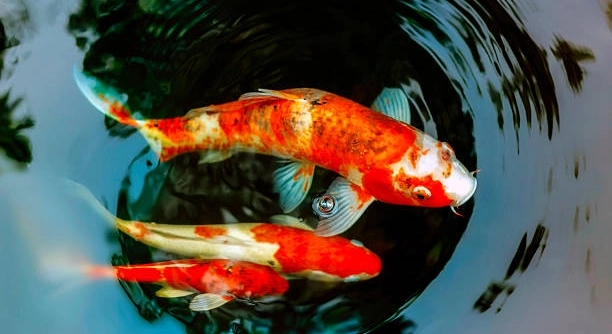
Koi fish are beautiful additions to many ponds, but they need the right temperature to stay healthy. When the water gets too warm, koi can show signs of stress that are important to recognize. Knowing these signs helps keep your fish safe.
Koi become too hot when water temperatures rise above their comfort zone, typically around 75°F (24°C) or higher. Signs include sluggish behavior, reduced appetite, rapid gill movement, and clamped fins. These symptoms indicate stress caused by heat, affecting their health and survival.
Learning to spot these early signs will help you protect your koi from heat-related problems and maintain a healthy pond environment.
How to Recognize When Koi Are Overheated
When koi get too hot, their behavior changes noticeably. They may swim slowly or hover near the surface, trying to catch cooler air. Their gills often move faster as they struggle to breathe in warmer water. Appetite loss is common; they stop eating or eat very little. You might also see clamped fins, where the fins stay close to the body instead of spreading out. Sometimes koi gather near shaded areas or under floating plants, seeking relief from the heat. These signs do not appear suddenly but develop as the water temperature stays high. It’s important to watch your pond closely during hot days, especially in shallow ponds where temperatures rise faster. Keeping an eye on koi’s behavior helps catch overheating early before serious health issues arise.
Watching koi carefully during heatwaves is key to spotting these warning signs early and acting quickly to cool the water.
If you notice your koi showing these signs, take steps to lower the water temperature. Adding shade or aeration can help. Aerators increase oxygen in warm water, making it easier for koi to breathe. Shade slows down water warming and reduces sunlight exposure. Partial water changes with cooler water can also bring relief. Avoid overcrowding the pond, as too many fish increase stress and oxygen demand. Small changes in the environment can make a big difference in helping your koi stay comfortable and healthy through the heat. These efforts protect their immune systems and prevent heat-related illnesses.
Common Environmental Factors That Raise Water Temperature
Warm weather naturally increases pond temperature, but other factors can make it worse. Shallow ponds heat up faster than deeper ones, which hold cooler water at the bottom. Dark pond liners absorb more heat from the sun, raising overall water temperature. Direct sunlight on the pond all day without any shade causes rapid warming. Nearby concrete or asphalt surfaces can reflect heat into the pond, raising temperatures further. Poor water circulation leads to hot spots where koi feel trapped. Debris like leaves and algae buildup can also affect temperature by reducing oxygen and trapping heat.
Understanding these factors helps pond owners plan better ways to keep water cool during summer. Using light-colored liners, adding plants for shade, and ensuring good water flow can all help reduce overheating. Installing floating plants or water lilies provides shade and cools the pond naturally. Aerators and fountains improve circulation, spreading cooler water throughout the pond. Regular cleaning to remove debris also supports a healthier temperature balance. Addressing these environmental causes of heat helps maintain a safer home for koi all year long.
Signs of Heat Stress in Koi
Koi showing heat stress may breathe rapidly and seem lethargic. Their fins may clench, and they often stay near the water surface where oxygen is higher.
Rapid gill movement means koi are working hard to get enough oxygen because warm water holds less oxygen. Lethargy happens as their metabolism slows down due to stress. Clamped fins reduce energy use but also show discomfort. You might see koi isolate themselves from other fish or stop eating entirely. These are clear indicators that the water temperature is too high and their body is struggling to cope.
Ignoring these signs can lead to more serious problems, including weakened immune systems and higher risk of infections. Regular observation of koi behavior during hot weather is essential. Cooling the pond and improving aeration helps reduce stress and supports their health during warm periods.
How to Cool Your Koi Pond Effectively
Shade is one of the easiest ways to lower pond temperature. Use floating plants, shade sails, or nearby trees to reduce direct sunlight.
Adding an aerator or fountain increases oxygen and helps mix cooler water from the bottom with warmer surface water. Partial water changes with cooler water can quickly reduce temperature spikes. Avoid using cold tap water directly, as sudden temperature changes stress koi. Instead, pre-mix or let fresh water sit outside before adding it to the pond. Make sure the pond is deep enough to keep a cool layer below the surface. Combining these methods will keep your koi pond more stable and comfortable during hot days.
Monitoring Water Temperature Regularly
Using a reliable pond thermometer helps track temperature changes throughout the day. This lets you act before the water gets too hot.
Consistent monitoring is crucial during summer months or heatwaves. Early detection prevents stress and keeps koi safe by allowing timely cooling measures.
Avoid Overfeeding in Hot Weather
Koi’s digestion slows down when water is warm. Overfeeding can cause uneaten food to pollute the pond.
Excess food decomposes quickly in hot water, lowering oxygen and raising harmful bacteria levels. Feed koi smaller amounts or skip feeding when they lose appetite to maintain water quality.
Signs of Heat Exhaustion in Koi
Heat exhaustion in koi includes heavy breathing, pale color, and loss of balance. These symptoms show the fish are struggling to survive.
Importance of Aeration for Hot Ponds
Aeration increases oxygen levels and improves water circulation, which helps keep koi comfortable in warm temperatures.
FAQ
How can I tell if my koi are too hot?
When koi get too hot, they show signs like rapid breathing, slow swimming, clamped fins, and loss of appetite. They often stay near the water surface or shaded areas. Watch for pale colors and unusual behaviors, as these indicate stress from high temperatures.
What is the ideal water temperature for koi?
Koi generally prefer water between 59°F and 75°F (15°C to 24°C). Temperatures above 75°F (24°C) can cause stress and health problems. Keeping water within this range helps koi stay active, eat well, and avoid heat-related illnesses.
Can koi survive in temperatures over 80°F?
Koi can survive briefly in water above 80°F (27°C), but prolonged exposure can be dangerous. Warm water holds less oxygen, causing stress and weak immune systems. If temperatures rise above 80°F, it’s important to cool the pond and improve aeration quickly.
What are the best ways to cool a koi pond?
Providing shade with plants or covers reduces sunlight and lowers water temperature. Aeration increases oxygen and helps mix cooler water from the bottom with warmer surface water. Partial water changes with cooler, pre-treated water also help reduce temperature spikes safely.
How often should I check my pond’s temperature?
During hot weather, check the temperature at least twice daily, morning and afternoon. This helps catch dangerous rises early. In cooler months, weekly checks are usually enough. Use a reliable pond thermometer for accurate readings.
Is it safe to add cold water directly to cool the pond?
Adding cold water directly can shock koi due to sudden temperature changes. It’s better to mix cold water with pond water in a separate container or let fresh water sit outside until it reaches a similar temperature before adding it.
Why do koi lose appetite when it’s hot?
Koi’s metabolism slows in warm water to conserve energy, so they eat less or stop eating. This is normal during hot periods but can make them weaker if the heat lasts too long. Offer small amounts of food or pause feeding if koi refuse to eat.
Can too much algae affect pond temperature?
Yes, thick algae mats can trap heat and reduce oxygen levels in the pond. This makes water warmer and harder for koi to breathe. Controlling algae growth with proper filtration, plants, and cleaning helps maintain a cooler, healthier pond.
How does pond depth affect water temperature?
Deeper ponds hold cooler water at the bottom, providing a refuge for koi during hot days. Shallow ponds warm up faster and offer less protection from heat. Aim for at least 3 feet deep if possible to help keep water temperatures stable.
What are signs of heat exhaustion in koi?
Signs include heavy breathing, pale or faded colors, floating near the surface, and loss of balance or coordination. Heat exhaustion is serious and requires immediate action to cool the pond and improve oxygen levels.
Can I use a pump or fountain to cool the pond?
Yes, pumps and fountains improve water circulation and aeration. Moving water mixes cooler water from the bottom with warmer surface water and adds oxygen. This creates a better environment for koi during hot weather.
Are there specific plants that help shade koi ponds?
Floating plants like water lilies and water lettuce provide shade and reduce sunlight reaching the water. These plants help keep the pond cooler and create hiding spots for koi. Avoid plants that cover the entire surface, as too much shade can limit oxygen production.
What should I do if my koi show signs of overheating?
Start by increasing shade and aeration immediately. Perform partial water changes with cooler water if possible. Remove excess debris or algae to improve oxygen levels. Monitor their behavior closely and avoid feeding until they return to normal activity.
Can high temperatures cause diseases in koi?
Yes, heat stress weakens koi’s immune system, making them more vulnerable to infections like bacterial or fungal diseases. Maintaining proper pond conditions during warm months reduces this risk.
How does oxygen level change with temperature?
Warm water holds less dissolved oxygen than cool water. As temperatures rise, oxygen decreases, making it harder for koi to breathe. Aeration and water movement help keep oxygen levels sufficient in warm ponds.
Is it normal for koi to hide during hot weather?
Yes, koi often seek shaded or deeper areas to avoid direct sunlight and heat. This behavior helps them regulate body temperature and reduce stress during warm days.
Can koi recover from heat stress?
Koi can recover if the water temperature is lowered quickly and oxygen levels improve. Early intervention is key. Prolonged heat stress or delayed care can cause lasting damage or death.
What are signs that water quality is affected by heat?
Cloudy water, strong odors, increased algae growth, and dead plants or fish can indicate poor water quality. High temperatures speed up waste breakdown and reduce oxygen, worsening pond conditions.
Are koi more active in cooler water?
Yes, koi are generally more active and feed more in cooler water within their ideal temperature range. Cooler water supports better metabolism and overall health.
How can I prevent overheating in small ponds?
Small ponds heat up faster, so adding shade, increasing aeration, and regularly checking water temperature are essential. Consider adding a fountain or water feature to improve circulation and avoid overcrowding the pond.
Can koi be acclimated to warmer temperatures?
Koi can gradually adjust to moderate temperature changes, but extreme heat is always risky. Avoid sudden temperature shifts by slowly changing water temperature when adding new water or moving fish.
Is it necessary to reduce feeding during summer?
Reducing feeding during hot weather is important because koi eat less and digestion slows. Overfeeding leads to pollution and low oxygen, so offer smaller, less frequent meals or stop feeding when koi stop eating.
What are common mistakes to avoid in hot weather?
Avoid overfeeding, adding cold water suddenly, and ignoring temperature changes. Don’t overcrowd the pond or neglect aeration and shade. These mistakes increase stress and harm koi during warm periods.
When caring for koi, keeping an eye on water temperature is very important. Koi are sensitive to heat, and when the water gets too warm, it can cause them stress or even serious health problems. Understanding how to recognize when koi are too hot helps prevent damage before it becomes a bigger issue. Signs like slow swimming, rapid breathing, and loss of appetite are key indicators that something is wrong. Watching your koi regularly, especially during hot weather, can keep them safe and comfortable. Taking simple steps to cool the pond and improve water quality can make a big difference in how your koi handle warmer days.
Maintaining a balanced pond environment means paying attention to factors that raise water temperature. Shallow ponds, direct sunlight, and poor circulation all contribute to warmer water. Providing shade with plants or covers, using aeration devices, and making sure your pond is deep enough helps keep water cooler and oxygen-rich. It’s also important to avoid overfeeding during hot weather since uneaten food can pollute the water and cause oxygen levels to drop. Small adjustments like these support koi health and reduce the chance of heat-related stress. Regular cleaning and monitoring keep the pond conditions stable, helping your fish thrive through seasonal changes.
In warmer months, acting quickly when you notice signs of heat stress is critical. Cooling the water, improving aeration, and offering shade create a safer environment for your koi. Remember that sudden temperature changes, such as adding cold water too fast, can harm koi just as much as heat stress, so any changes should be gradual. Keeping the pond clean and free from excess algae also helps maintain better oxygen levels. With careful care and attention, you can protect your koi from the challenges of hot weather and enjoy their beauty and activity all year round.

Hello,
If you enjoy the content that we create, please consider saying a "Thank You!" by leaving a tip.
Every little bit helps us continue crafting quality advice that supports the health, happiness, and well-being of pets around the world, for pets of all shapes, sizes, and species.
We really appreciate the kindness and support that you show us!