
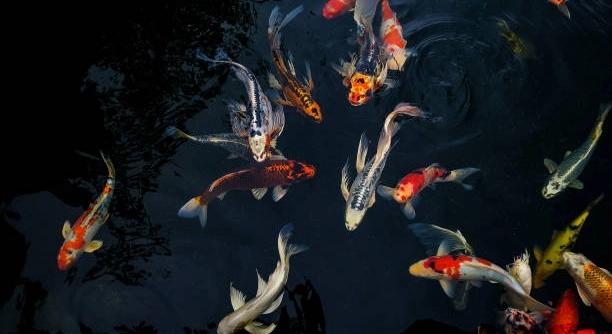
Are your koi fish spending more time near the surface, gliding calmly through the water, or gathering around certain spots in the pond? These behaviors can reveal how comfortable and content they feel in their environment.
Koi fish show they are enjoying their space through active swimming, regular feeding, social interactions, vibrant coloration, and relaxed behavior. These signs indicate good water quality, proper pond setup, and a stress-free living environment.
Noticing these signs can help you create a better home for your koi while strengthening your bond with them through daily care and observation.
Sign 1: Active and Graceful Swimming
Koi fish that feel safe and comfortable in their pond will swim calmly and steadily throughout the day. Their movements are smooth and controlled, not frantic or sluggish. You might see them gliding in groups or moving from one part of the pond to another with ease. They may even explore the edges or follow one another around. This active behavior shows they have enough space and that the water quality supports their health. If your koi tend to swim near the top or middle and aren’t hiding often, that’s another strong indication they enjoy their surroundings.
If koi swim with short, jerky movements or stay in one spot too long, it can be a sign of stress or poor conditions.
A koi’s natural rhythm includes steady swimming, occasional play, and calm rest periods. When these patterns are consistent and relaxed, you can feel confident that your pond is meeting their needs and supporting their well-being.
Sign 2: Eager and Consistent Feeding
Koi that enjoy their space will usually come up quickly during feeding time and show excitement around food.
When koi fish are happy and healthy, their appetite is stable, and their feeding behavior reflects this. You’ll notice they swim toward the surface as soon as they sense food is nearby. They may gather together, even bumping slightly into each other in a calm, social way. It’s also common for them to nibble and gulp their food with enthusiasm. When they feel secure in their space, they associate feeding time with positive experiences, not stress. On the other hand, koi that are scared or unwell may ignore food or hide when it’s offered. Skipping meals occasionally is not unusual, but frequent disinterest may mean something is wrong in their environment. Consistent feeding behavior, especially when paired with alertness and smooth swimming, is a reliable sign your koi are enjoying their pond and feeling at ease.
Sign 3: Vibrant Coloration and Healthy Scales
Bright colors and shiny, smooth scales often reflect a koi’s good health and comfort in its surroundings. Dullness or faded patterns may point to stress, poor water quality, or illness.
When koi fish feel at ease in their environment, their natural colors stand out more. Reds look richer, whites appear clean, and black or blue tones become more defined. This brightness comes from proper nutrition, clean water, and minimal stress. Healthy koi also have clear eyes and no signs of cloudiness or mucus. Their scales should lie flat and look smooth, without fraying or discoloration. Any changes in color or skin texture can be early warnings of environmental problems or health issues. A vibrant koi often means a well-maintained pond.
Soft lighting, regular feeding, and clean water support both appearance and health. When koi look glossy and colorful, it’s a strong sign they feel safe and well cared for. Their outer beauty often mirrors their comfort.
Sign 4: Social Interaction with Other Koi
Koi enjoy being around others and often swim in small groups. When they are relaxed and feel secure, they interact calmly and show interest in each other without signs of aggression or avoidance.
Koi are social by nature, and their group behavior can tell you a lot about how they feel. When comfortable, they may swim side by side, gently brush past each other, or gather in a relaxed circle. These moments are quiet and balanced, with no chasing or pushing. If one fish tends to stay isolated or hides often, it may feel threatened or unwell. Calm interaction, on the other hand, shows trust and security in their environment. A balanced pond space helps reduce competition, which encourages peaceful behavior. Watching koi socialize can also reveal patterns of comfort. The more connected and at ease they seem, the more likely it is they’re enjoying their pond space and feel safe in it.
Sign 5: Resting Calmly Without Hiding
Koi that rest near the bottom without darting away or hiding behind plants usually feel safe. They may stay still for short periods, showing relaxed fins and steady breathing.
Hiding often or remaining motionless in dark corners can mean discomfort or stress. A relaxed koi doesn’t feel the need to avoid its surroundings.
Sign 6: Exploring Different Areas of the Pond
Koi that enjoy their space often move between areas of the pond throughout the day. They may swim through plants, around rocks, or near features like waterfalls. This exploration shows curiosity and comfort. It also means the pond offers enough variety for them to stay stimulated. Fish that feel confined or stressed usually stick to one area or avoid parts of the pond. Watching them explore calmly and often means they are comfortable with the space, trust their environment, and feel safe in it. A healthy, enriching pond layout encourages this kind of natural, relaxed movement.
Sign 7: Smooth, Steady Breathing
Koi breathing slowly and evenly at the surface or while resting are usually relaxed and healthy. Fast or heavy breathing might signal poor water quality or stress from overcrowding.
FAQ
How do I know if my koi are stressed?
Stressed koi often show signs like clamped fins, erratic swimming, hiding more than usual, loss of appetite, or dull coloration. You may also notice heavy breathing or hovering near water inlets. Stress can come from poor water quality, sudden changes in temperature, overcrowding, or aggressive behavior from other fish. A koi that is stressed won’t behave normally—it might stay in one corner, dart quickly away, or avoid eating altogether. Watching daily behavior helps you catch stress early. Maintaining clean water, consistent temperatures, and enough space will prevent most causes of stress.
What’s the ideal pond size for koi to thrive?
Koi need space to swim and grow. A good starting point is at least 1,000 gallons for a small group. Each adult koi needs around 250 gallons of water to feel comfortable. The pond should also be at least three feet deep to help them regulate their temperature and avoid predators. Larger ponds provide more stability in water quality and allow more natural behavior. When koi have enough room, they’re more active, social, and relaxed. Overcrowded ponds cause stress, poor water quality, and illness. Space plays a major role in keeping koi happy and healthy long-term.
How often should I feed koi if they seem comfortable and active?
Feed koi once or twice a day, giving only what they can eat in about five minutes. When koi are enjoying their environment, they’ll come up to eat eagerly and consistently. In warmer months, their metabolism speeds up, so they may eat more. In colder weather, they slow down and need less food or none at all. Overfeeding causes water quality issues, which can lead to stress. Watching how quickly they eat and adjusting the amount keeps both your fish and water in good condition. Active, healthy koi will always show interest during mealtime.
Do koi need company, or can they live alone?
Koi are social fish and prefer the company of others. While a single koi can survive alone, it won’t be as active or engaged. In a group, they tend to swim together, feed side by side, and show more natural behaviors. Keeping at least three to five koi gives them the social interaction they need. If one koi is kept alone, it might become shy or less responsive to feeding. Just make sure your pond can support the number of fish—more koi means more filtration and care, but it’s worth it for their comfort.
What are signs of good water quality that show koi are happy?
Clear water, steady oxygen levels, and balanced pH are key signs of good water quality. When koi are in healthy water, they move freely, eat well, and display vibrant colors. You won’t see heavy breathing, scratching, or hiding. Use test kits to check ammonia, nitrite, nitrate, and pH levels regularly. A proper filter and occasional water changes help maintain balance. If the water stays clean and koi behave normally—swimming calmly, eating daily, and showing no signs of distress—it’s a good sign everything is working. Happy koi always begin with healthy water.
Can koi enjoy their space in smaller backyard ponds?
Yes, koi can enjoy smaller ponds if the setup is done right. Even if the pond isn’t huge, it should have proper depth (at least three feet), clean water, and space to move. Good filtration, some shade, hiding spots, and a variety of features like plants or shallow ledges help them feel secure. As long as you manage the number of fish and keep the water balanced, koi can live happily in small backyard setups. Their behavior—like active swimming, social interaction, and a healthy appetite—will show you if they’re comfortable.
What are the best features to include in a koi pond?
A koi pond should have enough depth, smooth walls, a reliable filter system, and areas of shade. Plants along the edges can provide shelter and reduce sunlight. A waterfall or bubbler helps with oxygen flow, and ledges or shallow shelves give koi variety in where they swim. Avoid sharp edges or loose gravel that can injure them. The best ponds balance beauty and function—clear water, calm spots to rest, and space to explore all contribute to koi enjoying their home. Watching your koi use these features tells you they’re making the most of their space.
Final Thoughts
Koi fish are peaceful animals that show how they feel through simple actions. When they swim calmly, eat regularly, and move around the pond with ease, it means they are comfortable in their space. Bright colors, smooth breathing, and gentle interaction with other koi are also signs of good health and happiness. These small daily behaviors are important to notice, especially if you are trying to keep your pond clean, safe, and stress-free. You don’t need to be an expert to tell when something is off—just watching them each day can give you a clear idea of how they’re doing.
Keeping koi happy is mostly about providing a stable and clean environment. Water quality plays a big role, and so does the space they live in. A pond that is too crowded or dirty can quickly cause problems. But when koi have room to swim, areas to rest, and clean water to breathe in, they tend to do well. Feeding them the right amount and checking for changes in their appearance or behavior also helps a lot. Even something as simple as noticing if they hide more than usual can help you catch small issues early before they become serious.
Taking care of koi can be simple when you follow a few key steps and observe them often. You don’t need to change everything all at once. Just small actions—like testing water, watching how they eat, or giving them places to explore—can make a big difference. Over time, these small efforts lead to a pond that supports their health and comfort. When koi enjoy their space, you’ll notice. Their movement becomes more relaxed, their colors look stronger, and they respond more to your presence. These are the signs of koi that feel safe and cared for.

Hello,
If you enjoy the content that we create, please consider saying a "Thank You!" by leaving a tip.
Every little bit helps us continue crafting quality advice that supports the health, happiness, and well-being of pets around the world, for pets of all shapes, sizes, and species.
We really appreciate the kindness and support that you show us!