
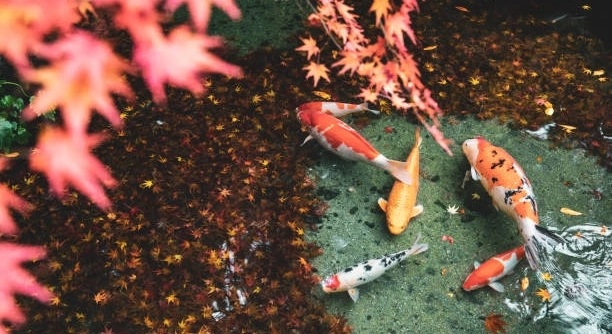
Are your koi fish wriggling more than usual, leaving you confused about what might be going wrong in their pond environment? This kind of behavior can be worrying, especially when it seems sudden or persistent.
Excessive wriggling in koi fish is often caused by water quality issues, parasites, or stress due to environmental changes. Identifying the root cause promptly is essential to prevent further health complications and to maintain a balanced aquatic ecosystem.
Learning what triggers this behavior can help you take the right steps to restore calm to your pond. Keep reading for practical tips and key signs to watch for.
Why Koi Fish Wriggle So Much
Excessive wriggling in koi is usually a sign that something is irritating or stressing them. The most common reasons include poor water quality, sudden changes in temperature, or external parasites. When koi wriggle constantly, it may be their way of trying to get relief. Ammonia spikes, high nitrite levels, and pH imbalance are key concerns to rule out. You’ll want to test the water right away and check for anything unusual on their skin or gills. Sometimes, new plants or décor can introduce issues like parasites, especially if they weren’t quarantined properly. Sudden behavior changes are your koi’s way of telling you something’s not right. Even minor issues, when ignored, can quickly become harmful.
Watch for other signs like clamped fins, jumping, or rubbing against objects, as these often go hand-in-hand with excessive wriggling. These movements suggest they’re uncomfortable and trying to remove irritants.
Routine water testing and early observation make all the difference. Identifying patterns in behavior helps stop problems before they spread to other koi.
What to Do Next
Start by checking your water parameters and temperature. A slight change can trigger a big reaction. Use a test kit and adjust conditions if anything looks off.
After testing, if the results show safe levels but the wriggling continues, it’s important to inspect your koi closely. Use a flashlight to check for small spots, frayed fins, or unusual slime. These signs could mean parasites or infections are present. In that case, isolating affected koi and treating the pond may be necessary. Aquarium salt baths or antiparasitic treatments can offer relief, but avoid overdosing. Stick to product guidelines and monitor your koi closely during treatment. It’s also important to keep the water well-oxygenated and clean during this time. If you’ve recently added plants, gravel, or new fish, consider removing or quarantining them to see if conditions improve. Preventative care also matters—regular maintenance, filter checks, and consistent water testing help avoid these issues altogether. The earlier you notice behavior changes, the easier it is to treat and restore balance in the pond.
Common Mistakes to Avoid
Overfeeding koi is a common mistake that leads to water quality issues. Excess food breaks down and raises ammonia levels, stressing the fish. Uneaten food should be removed promptly to prevent buildup and maintain a healthy pond environment.
Another mistake is skipping regular water changes. Even if the water looks clear, toxins can accumulate over time and cause stress-related behaviors like wriggling. Consistent water testing helps you stay ahead of these problems. Using untreated tap water can also be harmful, as chlorine and chloramine irritate koi and damage their gills. Always dechlorinate before adding water. Lastly, overcrowding the pond puts strain on filtration systems and oxygen levels. This increases the chance of parasites and poor water conditions. Giving koi enough space and good filtration helps prevent excessive movement and stress-related behavior.
Neglecting quarantine procedures when introducing new koi or pond materials often brings in parasites or bacteria. Skipping this step can affect your entire pond. Quarantining allows time to observe new fish for signs of illness before they join the group. Even plants and décor can carry unwanted organisms if not rinsed or disinfected. Inconsistent maintenance, like rarely cleaning the filters or testing water, causes slow but steady deterioration in water conditions. Regular, small efforts are more effective than large, infrequent changes when it comes to koi health.
When to Call a Professional
If wriggling continues after basic water tests and treatments, it may be time to call a pond specialist or aquatic veterinarian. Long-term wriggling can point to complex infections or parasites that need specific medications or lab testing.
A professional can run skin scrapes and microscopic exams to find what’s causing the problem. They can also recommend treatment options tailored to your pond’s size, fish population, and filtration setup. This is especially helpful if multiple koi are affected or if the water quality appears normal. Expert guidance helps avoid misdiagnosis and unnecessary treatments. Delaying help can make recovery harder for your koi, especially if secondary infections develop. Many pond professionals offer mobile services and can visit your pond directly. They might also provide preventive advice to reduce the chances of recurring issues. Getting help at the right time can protect not just one koi, but your entire pond’s balance and health.
Supporting Recovery
Keep your koi in a calm environment during recovery. Limit loud noises or sudden movements around the pond, as these can increase stress. Stable water conditions and good oxygen levels help them relax and heal more effectively.
Feed smaller portions of high-quality food to avoid overloading their system. During recovery, their appetite might drop, so don’t force them to eat. Clean up any leftovers to protect water quality and avoid attracting parasites or bacteria.
Preventing Future Issues
Set a regular schedule for water tests, filter checks, and water changes. These routines help you catch small problems before they grow. Avoid sudden changes in temperature or water source, as koi are sensitive to those shifts. Quarantine all new fish and plants before adding them to your pond.
Monitoring Behavior
Check on your koi daily to catch early signs of stress. Quick action makes it easier to fix problems before they become serious.
FAQ
Why do koi fish wriggle excessively?
Koi fish wriggle excessively mainly because they are uncomfortable or stressed. Common reasons include poor water quality, parasites, sudden temperature changes, or irritation caused by something in the pond. Wriggling is often their way to try to remove whatever is bothering them.
How can I tell if my koi has parasites?
Look for signs such as small white spots, redness, frayed fins, or excessive slime on the fish’s body. They might also rub themselves against objects in the pond to try to scratch the irritation away. If you notice these symptoms, a closer inspection is necessary.
What water parameters should I check if my koi is wriggling?
Test ammonia, nitrite, nitrate, pH, and temperature. Ammonia and nitrite should be at zero, nitrate should be low, and pH should be stable around 7 to 8. Temperature changes can stress koi, so keep it steady, especially in spring and fall.
How often should I change the pond water?
A partial water change of 10-20% every one to two weeks helps keep water fresh and reduces toxin buildup. Larger changes can cause stress, so stick to smaller, regular adjustments for the best results.
Is overfeeding causing my koi’s wriggling?
Yes, overfeeding leads to uneaten food that decays and pollutes the water. This raises harmful chemicals like ammonia, causing koi to become stressed and wriggle excessively. Feed only what your koi can eat within a few minutes to avoid this.
Should I isolate wriggling koi?
If you suspect parasites or infection, isolating affected koi is a good step. This prevents the spread of disease and makes treatment easier. Use a separate quarantine tank if possible until the fish fully recovers.
Can temperature changes affect koi behavior?
Sudden drops or rises in water temperature can stress koi and cause wriggling. Koi prefer stable temperatures. In colder months, use pond heaters or covers to avoid shock. During warmer months, ensure shade and aeration to keep the water comfortable.
What treatments are safe for koi with parasites?
Aquarium salt baths, antiparasitic medications, and specific pond treatments are common. Always follow dosage instructions carefully. Over-treating can harm koi and beneficial pond bacteria, so monitor fish closely during treatment.
How do I prevent parasites in the pond?
Quarantine new fish and plants before adding them to the pond. Keep good water quality with regular testing and maintenance. Avoid overcrowding and remove debris promptly. Healthy koi and clean environments reduce parasite risks.
Can poor filtration cause wriggling?
Yes, inadequate filtration allows toxins to build up and reduces oxygen levels. This creates stress for koi, which may show by wriggling or abnormal swimming. Make sure filters are cleaned and working efficiently to maintain a healthy pond.
When should I contact a pond specialist or vet?
If wriggling continues despite water adjustments and treatments, or if multiple koi show symptoms, professional help is recommended. They can provide precise diagnosis and appropriate treatment to protect the entire pond.
Can stress from handling cause wriggling?
Yes, handling koi for netting or moving can stress them. Limit handling and be gentle to avoid causing excessive wriggling or injury. Always support their body properly when moving them.
Are there natural ways to calm wriggling koi?
Maintaining stable water quality, reducing noise and activity near the pond, and providing hiding spots can help koi feel secure and reduce wriggling caused by stress.
What role does oxygen play in koi health?
Low oxygen levels increase stress and cause erratic behavior like wriggling. Aerators, waterfalls, or fountains help maintain oxygen and improve overall koi health.
How long does it take for koi to recover from irritation?
Recovery time varies depending on the cause and treatment. Mild irritation may clear up in days, while infections or parasites might take weeks. Consistent care and monitoring are important throughout recovery.
Final Thoughts
Excessive wriggling in koi fish is a clear sign that something is affecting their comfort or health. It is important to address the issue promptly to avoid worsening conditions. Maintaining clean and stable water is the foundation of koi health. Regular testing and proper filtration help prevent many common problems that lead to stress and wriggling. Overfeeding and overcrowding are avoidable issues that often cause water quality to decline. Taking simple steps like feeding appropriate amounts and giving koi enough space supports their well-being. Monitoring water temperature and avoiding sudden changes also contribute to a peaceful pond environment.
Observing koi behavior daily helps detect early warning signs before problems become serious. Wriggling can indicate parasites, infections, or irritation from environmental factors. If basic care adjustments do not reduce wriggling, professional help may be necessary. A pond specialist or aquatic veterinarian can provide accurate diagnosis and treatment plans. Quarantine new fish and plants before introducing them to your pond to reduce risks. Clean equipment and consistent maintenance routines are also essential. These practices build a healthy environment where koi can thrive without stress.
Recovery for koi varies based on the cause of wriggling and the response to treatment. Patience and consistent care are key. Avoid rushing treatments or making sudden changes, as these can further stress the fish. Supporting your koi with stable water conditions, proper nutrition, and a calm environment gives them the best chance to heal. Understanding and preventing the factors that cause wriggling will help you maintain a balanced pond. Keeping koi healthy not only improves their quality of life but also enhances the beauty and enjoyment of your pond.

Hello,
If you enjoy the content that we create, please consider saying a "Thank You!" by leaving a tip.
Every little bit helps us continue crafting quality advice that supports the health, happiness, and well-being of pets around the world, for pets of all shapes, sizes, and species.
We really appreciate the kindness and support that you show us!