
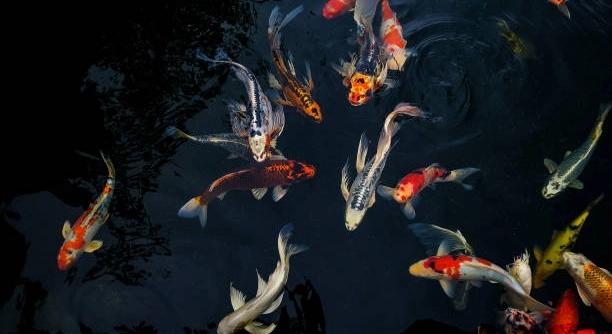
Caring for koi fish requires gentle handling to keep them healthy and stress-free. These beautiful fish need special attention when being moved or touched to avoid harm. Proper techniques help maintain their well-being and your pond’s balance.
Handling koi fish safely involves minimizing stress, using wet hands or soft nets, and supporting their bodies properly. Avoid squeezing or dropping them, and ensure any handling is brief to prevent injury and promote recovery.
Knowing the right way to care for koi during handling protects them and enhances your enjoyment of these graceful creatures. The following tips will help you handle your koi fish with confidence and care.
Preparing to Handle Your Koi Fish
Before touching your koi, it’s important to prepare the environment and yourself. Make sure your hands are clean and free of lotions or chemicals that could harm the fish. Wet your hands or use a soft, wet cloth to prevent removing the protective slime layer on their skin. This slime helps protect koi from infections and injury. Choose a calm, quiet spot near the pond to avoid startling the fish. Have a soft net ready if you plan to catch them, and handle them gently. Avoid rushing the process, as koi can get stressed easily, which affects their health. Preparing well ensures the fish stays calm and safe during handling.
Take your time and be patient. Calm movements reduce stress on the koi, making the process safer for both you and the fish.
Handling koi with care and proper preparation supports their long-term health and keeps your pond thriving.
Catching and Holding Your Koi Fish
When catching koi, use a soft, fine-mesh net to minimize damage to their scales and fins. Approach slowly and gently scoop the fish from below, supporting their body fully. Never grab a koi by the tail or gills, as this can cause serious harm. Once caught, hold the koi securely but lightly, using both hands—one near the head and the other supporting the belly. Keep the fish horizontal and close to the water to ease their breathing. Limit the time out of water to less than a minute whenever possible. Handling koi in this way reduces injury risk and helps maintain their natural protective coating.
Practice gentle and steady motions. This will keep your koi calmer and safer during handling.
Avoiding Common Handling Mistakes
One common mistake is using dry hands or rough nets, which can damage the koi’s protective slime layer. Another is holding the fish too tightly, causing stress or injury. Always support their body fully and keep handling time to a minimum to prevent harm.
Handling koi with dry hands removes their natural protective coating, leaving them vulnerable to infections. Rough nets can tear fins or scales, causing pain and open wounds. Grabbing a koi by the tail or gills risks serious injury or death. Stress from improper handling weakens their immune system and can lead to illness. Always use wet hands or soft nets, support the body carefully, and keep the fish calm. This simple care protects your koi and helps maintain their health.
It’s also important not to expose koi to sudden temperature changes when removing them from water. Quick shifts can shock their system. Keep them close to pond water temperature during any transfer, and handle them gently to reduce stress.
Aftercare Tips for Handled Koi
After handling koi, return them gently to the pond and watch for any signs of injury or stress, such as lethargy or unusual swimming patterns. Clean your equipment to prevent spreading disease. Monitoring recovery helps catch problems early.
Koi are resilient but need time to recover after handling. If you notice redness, sores, or excessive mucus, it may indicate irritation or infection. Keeping the pond water clean and well-oxygenated supports healing. Avoid handling the fish again until fully recovered. If problems persist, consulting a specialist can ensure the right treatment. Proper aftercare preserves your koi’s health and keeps your pond balanced and beautiful.
Tools You Will Need
A soft, fine-mesh net is essential for safely catching koi without damaging their scales or fins. Having a bucket filled with pond water nearby helps during quick transfers.
Wet towels or gloves protect the koi’s slime coat when handling them by hand. Avoid rough or dry materials that can harm their skin.
Handling Koi During Pond Maintenance
When cleaning the pond or moving koi temporarily, handle them quickly and gently. Minimize the time they spend out of water and keep them supported at all times to reduce stress. If possible, keep koi in a separate container filled with clean, oxygenated pond water during maintenance.
When to Avoid Handling Your Koi
Avoid handling koi during extreme weather or if they show signs of illness. Stress from handling in these conditions can worsen their health or delay recovery.
FAQ
How often should I handle my koi fish?
Handling koi fish should be kept to a minimum. Frequent handling causes unnecessary stress, which can weaken their immune system and make them more susceptible to illness. Only handle your koi when absolutely necessary, such as during health checks, pond cleaning, or moving them safely.
Can I touch my koi fish with dry hands?
It’s best to avoid touching koi with dry hands. Dry hands can remove the protective slime coating on their skin, which protects against bacteria and parasites. Always wet your hands before handling koi to keep their slime layer intact and reduce the risk of infection.
What is the best way to catch a koi fish?
Use a soft, fine-mesh net to catch koi gently. Approach the fish slowly and scoop it from below to support the entire body. Avoid grabbing by the tail or gills, as this can injure the fish. Supporting the body evenly helps prevent stress or physical damage.
How long can koi safely stay out of water?
Koi should not stay out of water for more than a minute or two. Being out of water stresses them and can cause serious harm. If you must handle them for longer, keep their body wet and return them to the pond as quickly as possible.
What should I do if my koi looks injured after handling?
If your koi appears injured, check for wounds, redness, or unusual behavior. Isolate the fish if possible, and maintain clean, well-oxygenated water. You may need to use mild antiseptic treatments designed for fish, but consult an expert before applying medication.
Can I use gloves to handle my koi?
Using wet, soft gloves can be helpful if you are worried about slipping or have sensitive skin. Ensure the gloves are free of chemicals and wet before handling. Avoid rough or abrasive gloves that could damage the fish’s slime layer or scales.
Is it safe to handle koi during pond treatments?
Handling koi during pond treatments should be avoided unless necessary. Chemicals can stress the fish, and handling adds to that stress. If you must handle them, do so gently and keep handling time to a minimum. Always rinse your hands and tools well to avoid contamination.
Why do koi get stressed from handling?
Koi are sensitive creatures, and handling removes their protective slime coat, exposes them to new environments, and disrupts their normal behavior. Stress can weaken their immune system, making them prone to infections or illness. Minimizing handling and being gentle helps reduce stress.
What is the best environment for koi after handling?
After handling, koi need clean, well-oxygenated water with stable temperature and pH. Avoid sudden changes in water quality or temperature. Keeping the pond well-maintained supports faster recovery and reduces the risk of infections or complications.
Can children help with handling koi?
Children should be supervised and taught proper koi handling techniques if involved. Gentle, slow movements and wet hands are essential. Handling koi is delicate work and requires care to avoid injury to the fish or stress. Always guide children carefully to ensure safety.
What signs show that koi are stressed after handling?
Look for erratic swimming, hiding, loss of appetite, or rapid gill movement. These can indicate stress or injury. Early detection helps in providing care and preventing further health issues. If stress signs persist, consulting a fish health expert is recommended.
How can I reduce koi stress during handling?
Plan ahead, keep handling time brief, and use wet hands or soft nets. Move slowly and support the fish’s body fully. Avoid loud noises or sudden movements. Providing a calm, quiet environment helps the fish stay calm and healthy during handling.
Can koi recover fully after rough handling?
With proper care, koi can recover from minor injuries caused by rough handling. Immediate attention to wounds, clean water, and reduced stress support healing. However, severe injuries can be fatal, so prevention through gentle handling is always better.
Is it necessary to quarantine new koi before handling?
Yes, quarantining new koi is important to prevent spreading diseases to your main pond. During quarantine, monitor their health carefully and limit handling. This helps protect your existing koi and maintains a healthy pond environment.
Handling koi fish carefully is important to keep them healthy and happy. These fish have a delicate protective slime layer that helps prevent infections and injuries. When you handle koi, always use wet hands or a soft net to avoid removing this slime. Supporting their body gently and avoiding squeezing or grabbing by the tail or gills reduces the risk of harm. Stress from handling can weaken their immune system, so keeping handling time short and calm is essential. Proper care during handling helps koi stay strong and enjoy their pond environment.
It is also important to prepare before handling koi. Make sure your hands are clean and free from any chemicals that might harm the fish. Have your tools ready, like a soft net and a bucket of pond water, so you can move the fish safely and quickly. Avoid sudden movements or loud noises that can scare koi and increase stress. After handling, watch your koi carefully for any signs of injury or unusual behavior. Providing a calm environment and clean, oxygenated water helps them recover faster.
By following simple steps and being patient, you can handle koi fish safely without causing them harm. Keeping handling to a minimum and treating each fish with care will help maintain their health and beauty for many years. Remember, your koi depend on you to create a safe and comfortable home, so gentle handling is just one part of good koi care. Taking time to learn and practice proper techniques will make a big difference in the well-being of your koi fish.

Hello,
If you enjoy the content that we create, please consider saying a "Thank You!" by leaving a tip.
Every little bit helps us continue crafting quality advice that supports the health, happiness, and well-being of pets around the world, for pets of all shapes, sizes, and species.
We really appreciate the kindness and support that you show us!