
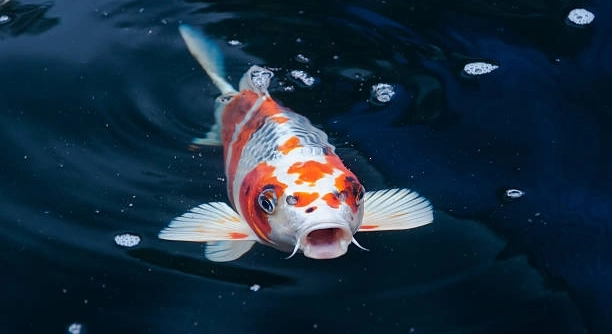
Keeping a koi pond clean and visually appealing is important for any pond owner. A clear, tidy pond not only looks better but also helps maintain a healthy environment for the fish. Simple steps can make a big difference in the pond’s overall appearance.
Maintaining a cleaner-looking koi pond involves regular removal of debris, controlling algae growth, proper filtration, and balanced water conditions. Consistent care and monitoring are essential to prevent buildup that can cloud the water and harm the pond’s ecosystem.
Small changes can have a lasting effect on the beauty of your pond. With a few practical tips, your koi pond can stay clear and inviting all year round.
Remove Debris Regularly
Keeping leaves, twigs, and other debris out of your koi pond is one of the easiest ways to make it look cleaner. Fallen leaves can quickly accumulate on the water’s surface and settle at the bottom, causing murkiness. Using a net or pond skimmer daily helps prevent this buildup. It’s also helpful to trim overhanging plants that drop leaves into the pond. Regular cleaning stops organic matter from decomposing in the water, which can cause unpleasant odors and cloudiness. Additionally, clearing debris supports better oxygen levels, which keeps your fish healthy. Staying on top of debris removal may seem simple, but it significantly improves the pond’s clarity and overall appeal. When the pond looks clean, it feels more peaceful and inviting.
Keeping debris out takes just a few minutes but makes a big impact on water quality.
Consistent debris removal also reduces strain on your pond’s filter system. Filters don’t have to work as hard when large particles aren’t constantly entering the water. This can extend the life of your filter and lower maintenance costs. Plus, less debris means fewer nutrients for algae, helping to keep algae growth under control. Over time, a routine of removing leaves and dirt prevents sludge from forming at the pond’s bottom. Sludge buildup can block water flow and create unhealthy conditions for koi. Taking time for this basic task ensures your pond stays clear, bright, and a better environment for your fish.
Control Algae Growth
Algae can make your pond look green and dirty quickly.
To manage algae, start with controlling nutrients in the water, especially nitrogen and phosphorus. Avoid overfeeding your koi, as leftover food adds to nutrient levels. Installing aquatic plants like lilies or floating plants can shade the water and reduce sunlight, which algae need to grow. Using a UV clarifier in your filtration system can also help by killing free-floating algae. It’s important to maintain a balanced ecosystem so algae do not take over and cloud the pond. Regularly monitoring water quality helps catch problems before they get worse.
Algae growth is natural but manageable with proper steps to maintain nutrient balance and reduce sunlight exposure.
Use Proper Filtration
A good filtration system is essential for a clean koi pond.
Filters remove dirt, waste, and harmful chemicals from the water, keeping it clear and safe for your fish. Mechanical filters trap solid particles, while biological filters break down harmful substances through beneficial bacteria. Choosing the right size filter for your pond volume is important to keep water flowing smoothly and cleanly. Regular maintenance, like cleaning filter media and replacing parts when needed, ensures the system works efficiently. A well-maintained filter reduces the frequency of water changes and helps maintain a balanced environment.
Without proper filtration, waste builds up quickly, causing cloudy water and unhealthy conditions. A filter supports water clarity and fish health, making it a crucial part of pond care.
Filters also help maintain oxygen levels by keeping the water moving. Stagnant water invites problems such as algae growth and harmful bacteria. Using a combination of filters suited to your pond’s size and stocking levels prevents these issues. It’s best to check the filter’s performance regularly, cleaning out debris and ensuring no clogs slow the flow. Over time, this effort saves work and keeps the pond looking fresh. A clean, filtered pond provides a healthy home for your koi and improves overall enjoyment.
Balance Water Chemistry
Maintaining proper water chemistry is vital for a clear pond. Water parameters like pH, ammonia, nitrite, and nitrate levels affect both fish health and water clarity. Testing water regularly helps you detect imbalances early. Adjusting pH to a neutral range (around 7) keeps fish comfortable and reduces algae growth. Keeping ammonia and nitrites at zero prevents toxic buildup, while nitrates should stay low through water changes and plants that absorb nutrients. Adding beneficial bacteria supplements can speed up waste breakdown, improving water quality. Balanced water chemistry reduces the risk of cloudy water and fish stress.
To keep chemistry balanced, avoid overfeeding and remove uneaten food promptly. Partial water changes (about 10-20%) weekly or biweekly dilute pollutants and replenish minerals. Aquatic plants also absorb excess nutrients, supporting cleaner water. In some cases, water conditioners can help neutralize harmful substances and improve overall water stability. Regular testing kits are affordable and easy to use, making it simple to track water health. Staying on top of these details creates a stable environment that prevents sudden water quality drops. Well-balanced water chemistry is the foundation for a healthy, clear pond where koi can thrive.
Limit Fish Feeding
Overfeeding koi can quickly dirty the pond.
Uneaten food sinks and decomposes, clouding the water and increasing harmful waste. Feed only what your fish can eat in a few minutes to keep the pond cleaner and reduce excess nutrients that promote algae growth.
Add Aquatic Plants
Aquatic plants help keep the pond clear by absorbing nutrients that algae feed on. Plants like water lilies, hornwort, and duckweed provide natural filtration and shade, reducing sunlight that encourages algae growth. They also improve oxygen levels and create a healthier environment for koi by offering hiding spots and reducing stress.
Regular Water Changes
Changing 10-20% of the pond water weekly helps remove built-up waste and toxins. Fresh water dilutes harmful substances, balances nutrients, and keeps the environment stable for koi. Regular water changes support clearer water and healthier fish, preventing cloudy or foul-smelling conditions.
FAQ
How often should I clean my koi pond?
Cleaning frequency depends on your pond’s size, location, and fish population. Generally, removing debris daily or every few days is best. Deep cleaning, including sludge removal and filter maintenance, should happen every few months. Regular partial water changes weekly or biweekly help maintain clarity. Staying consistent with these tasks prevents buildup and keeps your pond healthy.
What is the best way to control algae naturally?
Controlling algae naturally involves limiting nutrients like nitrogen and phosphorus in the water. Avoid overfeeding your koi, as leftover food fuels algae growth. Adding aquatic plants provides shade and absorbs excess nutrients. Introducing beneficial bacteria helps break down waste faster. Installing a UV clarifier can also reduce free-floating algae without chemicals. Combining these methods keeps algae under control and the pond clear.
Can I use chemicals to clean my koi pond?
Using chemicals should be a last resort since many can harm fish and beneficial bacteria. If necessary, choose pond-safe products designed specifically for koi ponds. Always follow instructions carefully and avoid overuse. Opt for natural solutions like plants and beneficial bacteria whenever possible to maintain a balanced and healthy ecosystem.
Why does my pond water turn cloudy?
Cloudy water can result from many causes: excess fish waste, overfeeding, poor filtration, or algae blooms. Fine particles suspended in water also cause cloudiness. Checking your filtration system, reducing feeding amounts, and performing partial water changes help clear the water. Balancing water chemistry and limiting debris are key to preventing recurring cloudiness.
How much should I feed my koi?
Feed koi only what they can eat in about five minutes, once or twice daily depending on temperature and fish activity. Overfeeding leads to leftover food that decomposes, harming water quality. During colder months, koi eat less or may stop feeding altogether. Adjust amounts based on their behavior to avoid excess waste.
What type of plants work best in a koi pond?
Hardy aquatic plants like water lilies, hornwort, anacharis, and duckweed are excellent for koi ponds. They provide shade, absorb nutrients, and improve oxygen levels. Floating plants help reduce sunlight reaching the water, controlling algae. Rooted plants stabilize the pond bottom and create a natural environment. Choose plants suited for your climate and pond size.
How important is aeration for my pond?
Aeration is very important. It increases oxygen levels, which fish and beneficial bacteria need to survive. Proper oxygen also helps break down waste and reduces harmful gases. Aeration devices like fountains, waterfalls, or air pumps improve water circulation and clarity. Without enough oxygen, fish can become stressed and water quality suffers.
Can koi live in small ponds?
Koi can live in small ponds but require careful management. Smaller ponds mean less water volume to dilute waste and heat, so filtration and water quality control are critical. Overstocking should be avoided. Regular maintenance like water changes and debris removal is even more important in smaller setups to keep the environment healthy.
What signs indicate my pond needs cleaning?
Cloudy or green water, foul smells, excessive algae, dead leaves, and sluggish fish behavior are signs your pond needs cleaning. Visible debris on the surface or sludge buildup at the bottom also signal maintenance is due. Addressing these early prevents larger problems and keeps koi healthy.
How do beneficial bacteria improve pond health?
Beneficial bacteria break down harmful ammonia and nitrites from fish waste into less toxic nitrates. This natural process, called biological filtration, is essential for clear water and fish health. Adding bacteria supplements speeds up this process, especially in new ponds or after cleaning. A healthy bacterial population helps maintain balanced water chemistry and reduces odors.
Keeping a koi pond looking clean can sometimes feel like a lot of work, but it is very rewarding. A clean pond not only looks better but also creates a safer and healthier place for your koi fish to live. With some basic care routines, such as removing debris, managing algae, and maintaining good water quality, you can enjoy a clearer and more attractive pond. These simple steps help prevent common problems like cloudy water and excessive algae growth, which can spoil the pond’s appearance and harm the fish. By paying attention regularly, you avoid bigger issues and keep your pond in good shape throughout the year.
The key to a clean koi pond is consistency. Small actions done regularly, like skimming leaves, feeding fish in moderation, and checking water chemistry, make a big difference over time. Installing a proper filtration system and adding aquatic plants also support a balanced pond environment. These plants not only improve water clarity by absorbing excess nutrients but also provide shade and shelter for the fish. Regular water changes are another easy way to refresh the pond, remove toxins, and maintain balance. It may seem like many tasks, but once these habits are part of your routine, caring for the pond becomes manageable and even enjoyable.
Remember, every pond is different, so it might take some time to find the right balance for your specific setup. Observing your pond closely helps you understand what it needs most. Sometimes, a small adjustment, like cleaning a filter or adding a few plants, can greatly improve the pond’s look and health. Patience and steady care are important, as nature works at its own pace. Over time, your koi pond will remain a peaceful and beautiful space that brings enjoyment and relaxation. Taking these steps ensures your pond stays clean, clear, and a happy home for your koi fish.

Hello,
If you enjoy the content that we create, please consider saying a "Thank You!" by leaving a tip.
Every little bit helps us continue crafting quality advice that supports the health, happiness, and well-being of pets around the world, for pets of all shapes, sizes, and species.
We really appreciate the kindness and support that you show us!