
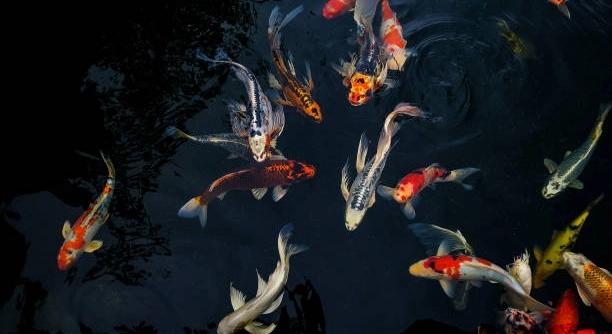
Are your koi fish living in a pond that gets chilly at night, leaving you unsure of how to keep them safe?
To prepare a koi pond for cold nights, ensure water temperatures stay stable by using a pond heater or de-icer, maintaining proper filtration, and avoiding overfeeding. These steps protect koi from temperature-related stress and health issues.
These tips can help you keep your pond healthy and your koi comfortable as the weather begins to cool each night.
Check the Water Temperature Regularly
As nights get colder, your pond’s water temperature can drop quickly, which may harm your koi. A pond thermometer is helpful for keeping track of temperature changes. Once the water drops below 50°F (10°C), your koi’s metabolism begins to slow down, making them less active and more vulnerable to illness. Feeding should be reduced and eventually stopped at this stage. Use a floating pond thermometer to monitor temperature changes at different times of the day. It’s also helpful to note the trend over a few days rather than reacting to a single reading. Regular checks will let you act early if things start to cool too fast. Staying ahead of these shifts keeps your koi healthy and stress-free.
Check your pond every morning and evening for temperature consistency. This simple step helps prevent sudden drops from catching you off guard.
If you don’t already have a thermometer for your pond, it’s worth getting one now. It’s a small tool that can save your koi from stress and illness caused by cold shocks. When the water temperature is stable, koi are less likely to get sick. Sudden changes are hard on them, especially during transitional seasons like autumn. Even if the air feels cool, the water can hold onto warmth, so you need the actual readings to be sure. Keeping a log of temperatures for a few weeks is also helpful in spotting patterns. Once you notice the temperature dipping consistently, you can start planning for the next steps to keep your pond and koi stable and safe.
Keep the Surface from Freezing
A fully frozen pond surface can block oxygen and trap harmful gases. Using a de-icer or aerator helps keep a small area open.
If the surface of your pond freezes over, it prevents gas exchange, which can be dangerous for your koi. Harmful gases from decomposing debris get trapped under the ice, and oxygen can’t enter the water properly. To avoid this, place a pond de-icer or a floating heater in one area of the pond. You don’t need to heat the entire pond—just maintaining a small opening in the ice is enough. Some people also use air stones or aerators to help with circulation, which keeps the water moving and slows down freezing. Never break the ice with force, as the vibrations can stress or even injure the koi. Instead, rely on gentle, steady methods that maintain airflow. These small tools make a big difference in helping your koi stay safe during cold nights.
Reduce Feeding as Temperatures Drop
When pond temperatures fall below 55°F (13°C), koi begin to digest food more slowly. At this point, you should feed less often and switch to wheat germ-based food, which is easier to digest in cooler conditions. Stop feeding entirely once temperatures stay below 50°F (10°C).
Koi become less active as their metabolism slows in cooler water. Continuing to feed them as usual can lead to uneaten food decaying in the pond, which harms water quality and stresses the fish. Wheat germ food is ideal during this time because it breaks down more easily and is gentler on their digestive systems. Feed only what they can eat in a couple of minutes, and gradually reduce portions as the days grow colder. If you notice koi ignoring food or eating sluggishly, it’s best to stop feeding altogether. Their bodies can go without food safely when temperatures stay consistently low.
Feeding during cold spells can create more problems than benefits. Uneaten food sinks, breaks down, and creates waste that can spike ammonia levels. This affects your koi’s health and the clarity of your water. Also, their slowed digestion means food stays in their system longer, making them feel uncomfortable or even ill. By easing off feeding early and stopping completely at the right time, you give your pond and fish the best chance to stay healthy through cold nights. It’s an easy habit to manage with a thermometer and some routine observation.
Clean Out Leaves and Debris
Falling leaves and other debris can quickly build up in your pond during autumn. If not removed, they’ll rot and release toxins that affect your koi’s health. Use a net to scoop them out often.
As trees begin to shed leaves, ponds can collect more debris than you’d expect. This material sinks and starts to decay, creating a layer of sludge on the bottom. As it breaks down, it uses up oxygen and produces harmful gases. These conditions stress koi, especially when the water is already cold. To prevent buildup, skim the surface regularly and consider using a pond net to catch falling leaves. If you already have a thick layer of debris, use a pond vacuum to remove what you can without disturbing the fish too much. This simple cleanup keeps the water clearer and reduces the chance of health issues during colder months.
Check Your Equipment Often
Cold weather can affect how well your pond equipment works. Make sure your filter, aerator, and de-icer are running smoothly and not blocked by debris. Clean or replace parts if needed before temperatures get any lower.
A sudden failure in any device can change the pond conditions fast. Take a few minutes every few days to check the water flow, air bubbles, and warmth near the de-icer. If anything seems off, fix it early to avoid problems later.
Trim Back Plants Around the Pond
Overgrown plants can drop leaves and clutter the pond, especially in colder weather. Trim dead or excess foliage near the pond’s edge to keep it tidy and reduce organic waste. Remove floating or submerged plants that have started to decay to maintain better water quality for your koi.
Avoid Sudden Water Changes
Drastic water changes can shock your koi, especially in colder temperatures. If you must do a water change, keep it small and match the new water temperature closely.
FAQ
Can koi survive in cold water?
Yes, koi can survive in cold water as long as the pond is deep enough and properly maintained. Koi are cold-water fish and can handle temperatures as low as 35°F (1.6°C), but they become less active and stop eating when water temperatures drop below 50°F (10°C). The key to helping them survive is keeping the water oxygenated, clean, and stable. Using a pond de-icer or aerator helps prevent the surface from freezing completely. You should also avoid disturbing them too much during this time, as their immune system slows down in cold weather.
What temperature is too cold for koi fish?
Koi can handle very cold temperatures if the pond is deep—at least three to four feet is recommended. Water that stays consistently below 35°F (1.6°C) can be dangerous, especially if the pond surface freezes over and traps gases. When water reaches 50°F (10°C), koi enter a state similar to hibernation. Below that, they become dormant and rest near the bottom. The main concern is not the cold itself, but the lack of oxygen and the buildup of toxins in frozen or poorly circulated water. Keeping a small hole open on the surface is enough to help with air exchange.
Do I need to use a heater in my koi pond?
A pond heater isn’t always required, but it can be useful in areas with very cold winters. Most people use a pond de-icer, which is not meant to warm the entire pond but to keep a hole in the ice. This allows oxygen to enter and gases to escape. Full pond heaters can be expensive and are not usually necessary unless you live in a region with extended periods of sub-freezing temperatures. In milder climates, just using a de-icer or aerator is usually enough to keep your koi safe through the cold months.
Should I turn off my pond pump during winter?
It depends on your setup. Some people leave their pumps running to keep water circulating, which helps with oxygen levels and reduces ice buildup. Others shut the pump off, especially if it’s part of a waterfall system that might chill the water even more. If you do turn it off, make sure to clean it thoroughly before storing it. If left running, check that it doesn’t freeze or become blocked with ice or debris. Either way, the most important thing is to maintain some movement in the water and prevent the surface from freezing completely.
How often should I check my pond in cold weather?
Check your pond once a day if possible, especially in the early morning or evening. Look for signs of ice buildup, equipment failure, or any unusual koi behavior. If a device like your de-icer or aerator stops working, acting quickly can prevent serious problems. Even if the pond looks fine, regular checks help catch small issues before they grow. You don’t need to disturb the koi—just observe quietly and make sure everything looks stable. During this time, less interference is better, but consistent attention goes a long way in keeping things under control.
Can I still clean my pond in winter?
Major cleaning should be done before the weather gets too cold, ideally in late fall. However, you can still do small maintenance during winter. Remove floating debris, trim back any plant growth, and keep filters clear if they’re still running. Don’t stir up the pond bottom or disturb your koi during their dormant phase. Avoid deep vacuuming or anything that might change the water temperature quickly. Gentle surface skimming and checking equipment are fine. Think of it as light touch-ups, not full cleanings. This helps your koi stay calm and your water stay balanced.
What happens if the pond freezes completely?
If your pond freezes all the way across the top and gases are trapped inside, your koi can be at risk. This is why a small hole must be kept open, even during the coldest nights. A pond de-icer, air stone, or small water pump placed just below the surface can help with this. Do not break the ice with force—it sends shockwaves through the water and can harm your koi. Instead, gently melt a small area with warm water or use equipment designed to prevent full freezing. A frozen pond isn’t always fatal, but it’s a serious warning sign.
Final Thoughts
Getting your koi pond ready for cold nights may seem like a lot at first, but it becomes easier once you know what to look for. The most important part is keeping your koi safe, calm, and healthy as the temperature drops. Simple habits like checking the water temperature, watching your equipment, and keeping the pond clean make a big difference. Koi are hardy fish, but they still need some help when the weather changes. Cold water affects how they eat, move, and breathe, so being prepared early helps avoid problems later.
Even small actions, like trimming plants or skimming out leaves, can keep the water cleaner and reduce stress for your koi. Feeding less as the water cools is another step that helps protect their health. Once the temperature drops below a certain point, your koi stop eating and rest near the bottom. Giving them space and quiet during this time helps them stay healthy until spring. Tools like pond de-icers and aerators are not expensive and can help prevent freezing, which protects both your koi and your pond’s water quality.
A little attention each day goes a long way during colder months. You don’t need to watch the pond all the time, but regular checks help you catch problems early. Making sure everything is running properly and removing small bits of waste or debris will help your pond stay in balance. Winter care is mostly about keeping things steady—no big changes, no sudden shifts. With just a few routines in place, your koi can get through the cold safely and comfortably.

Hello,
If you enjoy the content that we create, please consider saying a "Thank You!" by leaving a tip.
Every little bit helps us continue crafting quality advice that supports the health, happiness, and well-being of pets around the world, for pets of all shapes, sizes, and species.
We really appreciate the kindness and support that you show us!