
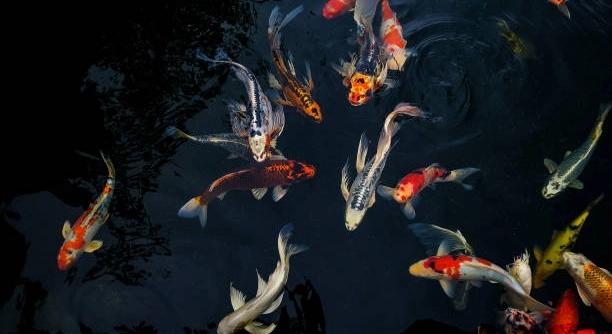
Koi fish often seek out murky corners in their ponds. This behavior can seem unusual, especially when their vibrant colors are best seen in clear water. Understanding why they prefer these shaded, less visible areas sheds light on their natural habits and needs.
Koi fish tend to favor murky corners because these areas provide shelter, reduce stress, and offer protection from predators. The lower visibility and calmer environment help them feel secure, contributing to their overall well-being and natural behavior patterns.
Exploring these preferences helps explain common koi habits and improves how we care for them in artificial environments. This knowledge supports healthier, happier koi fish in any pond setting.
Reasons Koi Fish Choose Murky Corners
Koi fish often retreat to murky corners for safety and comfort. These spots usually have less movement and fewer disturbances, making them ideal for resting. The murkiness helps koi feel hidden from potential threats, which reduces their stress levels. Additionally, these areas tend to have slightly cooler water temperatures, providing relief during hot weather. The corners also accumulate natural debris like leaves and plants, offering koi places to explore or hide. In ponds with lots of sunlight, murky corners provide shade, which koi prefer to avoid direct exposure. This behavior is a natural adaptation to their environment, helping them regulate their comfort and security. It is important for pond owners to understand these needs to create suitable habitats. Providing areas with gentle water flow and some shaded or murky spots supports koi well-being. Observing koi in these corners gives clues about their health and environmental preferences.
Koi use murky corners primarily to reduce stress and stay safe, especially in busy or bright ponds.
Creating a pond with shaded and quiet areas mimics natural habitats and promotes koi comfort. These spots can be made by adding plants or structures that create gentle shadows. Ensuring water quality remains high, even in these murky zones, is essential to prevent stagnation. Koi also use these areas to rest without feeling exposed, which supports their immune systems. As koi feel safer, they are more likely to thrive and display their bright colors during feeding or social times. Proper pond design, including varied depths and corners with natural cover, benefits koi behavior and health. Regular observation of koi preferences can guide adjustments to pond layout. This simple approach leads to a more balanced and natural living space for koi.
How Pond Conditions Influence Koi Behavior
Water quality and pond design directly impact where koi prefer to spend their time. Clear water with plenty of movement encourages activity, while stagnant or shaded areas attract koi for rest. The balance between light and shade influences their behavior. A well-maintained pond has diverse environments that allow koi to regulate their comfort by moving between clear and murky zones. Temperature fluctuations also affect koi activity, making cooler, shaded corners more attractive during warm periods. Pond owners should monitor these conditions closely to support koi health. Proper aeration, filtration, and vegetation help maintain a suitable environment. Understanding these factors can improve koi welfare and pond aesthetics.
Pond conditions like temperature, light, and water flow shape koi movement and resting habits.
Good pond management includes ensuring clean water, adequate oxygen, and areas with natural cover. Shallow spots with aquatic plants create soft shade, reducing water temperature and offering koi shelter. Aeration prevents water stagnation, especially in murky corners where debris collects. These combined efforts keep koi healthy and comfortable, encouraging natural behaviors and reducing stress. Pond design that considers koi preferences leads to stronger fish and a more enjoyable viewing experience. Regular pond maintenance and thoughtful landscaping support these conditions, making koi care more effective.
Common Misunderstandings About Koi Behavior
Many assume koi hiding in murky corners are sick or unhappy, but this is not always true. Koi use these areas naturally to feel secure and avoid stress. Recognizing this behavior prevents unnecessary worry and helps in better caring for them.
Koi fish spending time in shaded or murky parts of the pond often show normal behavior rather than illness. These spots offer protection from bright light and sudden movements, which can be stressful for koi. The darker environment can help koi conserve energy and stay calm. Observing koi in these locations without immediately assuming a problem encourages better pond management. Monitoring other signs, such as appetite or swimming patterns, provides a clearer picture of their health. This understanding helps maintain a calm environment and avoids unnecessary interventions that might disrupt the pond’s balance.
Assuming koi in murky corners are always unhealthy can lead to incorrect actions. Providing proper pond conditions and recognizing natural hiding behavior supports koi well-being. It is essential to focus on overall health indicators instead of location alone. Creating a balanced environment with safe resting areas encourages koi to express natural habits without stress. This approach helps koi thrive and remain visually appealing, reducing worry for pond owners and improving the quality of care.
Feeding and Koi Preferences for Murky Areas
Koi often come out of murky corners when feeding begins but quickly return once satisfied. These spots offer a safe retreat between meals, balancing their need for food and security. Feeding schedules impact how frequently koi use these areas.
Consistent feeding times encourage koi to leave hiding places predictably. Koi recognize feeding cues and swim toward food, showing their social and active side. After eating, they return to murky corners to digest and rest comfortably. Feeding in calm, quiet conditions reduces stress and promotes koi health. Overfeeding can cause koi to linger near food longer than necessary, which may disrupt natural hiding behavior. Observing koi during feeding helps adjust the amount and timing of food for their well-being. This balance supports healthy koi activity cycles and comfort.
Feeding routines influence koi movement between visible and hidden pond areas. Clear feeding habits help koi feel secure and maintain natural behavior patterns. Keeping feeding areas separate from murky resting spots promotes a healthy environment. This separation encourages koi to balance their time spent between social activity and private rest. Adjusting feeding based on koi response can prevent overfeeding and improve water quality. Understanding this relationship between feeding and hiding spots enhances overall koi care and pond management.
Seasonal Changes Affecting Koi Behavior
Koi behavior shifts noticeably with the seasons. In warmer months, they explore more, while cooler weather drives them to seek shelter in murky corners. This pattern helps them regulate body temperature and conserve energy.
During colder seasons, koi slow down and prefer quiet, protected areas. Murky corners offer insulation from temperature changes and reduce exposure to harsh weather. These seasonal habits are natural and important for koi survival.
How Lighting Influences Koi Preferences
Koi tend to avoid bright, direct sunlight, which makes shaded, murky corners more appealing. Soft lighting creates a calm environment, encouraging koi to rest and hide comfortably.
Providing varied lighting in the pond, including shaded areas, supports koi’s natural needs and helps reduce stress.
The Role of Plants in Murky Corners
Plants contribute to murky corners by offering shade and shelter. Their presence improves water quality and creates a safe environment where koi feel protected and calm.
Adding aquatic plants can enhance these areas, benefiting both koi behavior and pond health.
Why do koi fish prefer murky corners over clear water?
Koi fish naturally seek out murky corners because these areas provide a sense of security and shelter. Murky water reduces visibility, which helps koi feel less exposed to potential threats. These corners often have slower water flow and offer shade, which lowers stress and creates a comfortable resting space. The environment mimics their natural habitat, allowing them to conserve energy and feel protected.
Is koi behavior in murky corners a sign of illness?
Not necessarily. Spending time in murky corners is often normal behavior and does not always indicate health problems. Koi may hide in these areas to avoid bright light or sudden movements, especially if they feel stressed or threatened. However, if koi show other signs like loss of appetite, lethargy, or unusual swimming patterns, a health issue might be present. Observing koi overall behavior is essential before concluding illness.
How does pond design affect koi’s choice of resting spots?
Pond design plays a crucial role in koi comfort. Ponds that include shaded areas, plants, and varying water depths create murky corners that koi prefer. These spaces offer protection from predators and harsh sunlight. Proper aeration and water flow help maintain water quality even in shaded spots. Providing natural hiding places encourages koi to express natural behaviors and supports their well-being.
Can koi fish survive without murky corners in their pond?
Koi can survive in ponds without murky corners, but their overall stress levels may increase. Without shaded or sheltered areas, koi might feel constantly exposed, which can lead to nervousness and weaker immune responses. Murky corners serve as important refuges that promote mental and physical health. Including some form of cover or shaded spot is strongly recommended for a healthy koi environment.
How do feeding habits influence koi’s use of murky corners?
Koi typically leave murky corners during feeding and return afterward to digest and rest. Regular feeding schedules help koi anticipate meal times and feel secure enough to come out of hiding. Overfeeding may cause koi to linger near feeding areas, disrupting their natural use of sheltered spots. Maintaining balanced feeding routines encourages koi to alternate between active and restful behaviors.
What role do plants play in koi’s preference for certain areas?
Aquatic plants contribute to the formation of murky corners by providing shade, shelter, and hiding spots. Plants help filter water and supply oxygen, improving pond health. Koi often swim near plants because they offer cover and reduce stress. Adding plants to a pond benefits both the koi’s comfort and the ecosystem’s balance.
Do seasonal changes affect koi fish behavior regarding murky corners?
Yes, koi behavior changes with the seasons. In warmer months, koi are more active and spend less time hiding. Cooler temperatures lead koi to seek out murky corners as these spots provide insulation and protection from temperature swings. Seasonal shifts affect koi metabolism, energy use, and preferred locations within the pond.
How can pond owners create ideal murky corners for koi?
Owners can create murky corners by adding plants, rocks, and structures that provide shade and shelter. Varying pond depth and adding gentle water flow in some areas also helps. It is important to maintain good water quality with proper filtration and aeration, especially in shaded spots where debris may collect. Designing a pond with diverse environments encourages natural koi behavior and reduces stress.
Can poor water quality make koi hide more in murky corners?
Poor water quality can increase koi hiding behavior as fish seek safer, calmer areas. If water contains high levels of toxins or low oxygen, koi may become stressed and retreat to murky corners. Maintaining clean water through regular testing, filtration, and aeration is essential. Healthy water conditions reduce excessive hiding and promote active, visible koi.
Are there signs koi are uncomfortable in their murky spots?
If koi are constantly hiding, appear lethargic, or show signs of fin damage or disease while in murky corners, they may be uncomfortable or ill. Normal hiding is temporary and balanced with active swimming and feeding. Monitoring koi health and pond conditions regularly helps identify any problems early and allows for prompt care adjustments.
These answers provide a clearer understanding of koi behavior related to murky corners. Recognizing natural habits and environmental needs allows better pond care and healthier koi.
Koi fish choosing to spend time in murky corners of a pond is a natural behavior that serves several important purposes. These areas provide koi with a sense of security and protection from bright light, predators, and sudden disturbances. The murkiness creates a calm, sheltered environment where koi can rest and conserve energy without feeling exposed. This behavior is not necessarily a sign of illness but rather an instinctive way for koi to maintain comfort and reduce stress. Recognizing this helps koi keepers understand their fish better and avoid unnecessary worry.
It is also important to consider that pond conditions greatly influence koi preferences for murky corners. Factors such as water temperature, lighting, presence of plants, and feeding routines all play a role in how koi interact with their environment. Seasonal changes encourage koi to seek shelter during colder months, while adequate plant cover and shaded areas create ideal hiding spots year-round. Balanced feeding schedules encourage koi to come out for meals and return to their sheltered spots to rest and digest. Proper pond maintenance, including water quality and habitat design, supports healthy koi behavior and well-being.
Understanding why koi favor murky corners can improve how we care for them. Providing varied pond environments with safe, quiet areas allows koi to exhibit natural habits without stress. Observing koi regularly and paying attention to overall health indicators ensures that time spent in murky spots is normal behavior rather than a sign of problems. Thoughtful pond design and consistent care contribute to a balanced ecosystem where koi thrive. This knowledge benefits both koi and their caretakers by promoting a healthier, more harmonious pond life.

Hello,
If you enjoy the content that we create, please consider saying a "Thank You!" by leaving a tip.
Every little bit helps us continue crafting quality advice that supports the health, happiness, and well-being of pets around the world, for pets of all shapes, sizes, and species.
We really appreciate the kindness and support that you show us!