
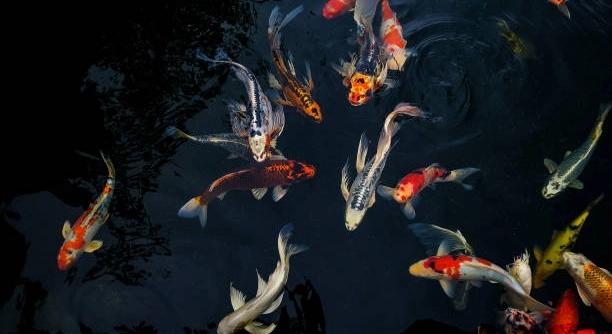
Keeping a koi pond stable is important for the health of your fish and the overall environment. Many factors can cause pond instability, which may harm your koi. Knowing the signs early helps maintain a balanced pond ecosystem.
Pond instability can arise from various causes including water quality fluctuations, poor filtration, uneven temperatures, and structural issues. These factors negatively impact koi health by stressing fish, promoting disease, and disrupting their natural habitat.
Identifying common signs of pond problems can help you act before the situation worsens. This article will explain key indicators affecting koi well-being and pond stability.
Fluctuating Water Quality
Water quality changes are one of the most common causes of pond instability. When the water chemistry shifts suddenly, it can shock your koi. Things like pH, ammonia, nitrites, and nitrates all need to stay within safe levels. If these balance points change too fast, it stresses the fish. Stress weakens their immune systems and makes them more prone to illness. Factors like overfeeding, decaying plants, and inadequate filtration can all impact water quality. It’s important to test the water regularly and keep an eye on any sudden changes. Maintaining good circulation and cleaning debris can also help stabilize water quality.
Keeping water conditions consistent supports healthy koi and a balanced ecosystem. Test kits and filters are essential tools. Regular monitoring will allow you to catch problems early before they become severe. It may take some effort, but your koi will thrive when water quality is steady.
Water quality affects every aspect of pond health. Without stable water, koi suffer physically and behaviorally. Maintaining clear, balanced water ensures koi feel safe and comfortable, promoting their natural activity and growth.
Uneven Temperature
Temperature swings can cause koi stress. Sudden heat or cold can be dangerous to fish.
Koi are cold-blooded and rely on water temperature to regulate their body functions. Rapid changes can cause them to become sluggish or overly active, which drains their energy. Extreme cold may lead to illness, while high temperatures reduce oxygen levels in the water. Both extremes make it harder for koi to survive. It’s best to keep the pond in a stable temperature range by providing shade during hot days and insulating the pond during colder months. Using pond heaters or aerators can also help moderate temperature fluctuations. Monitoring temperature daily helps you react quickly and protect your koi’s health.
Poor Filtration
Poor filtration allows waste and harmful substances to build up quickly. This weakens water quality and affects koi health.
Filters help remove debris, toxins, and excess nutrients from pond water. When filters are clogged or too small for the pond, they fail to do their job properly. This leads to cloudy water and harmful ammonia or nitrite spikes. Fish waste and uneaten food can cause bacterial growth, which increases the risk of disease. Regular filter cleaning and using a system sized for your pond are key to maintaining clear, healthy water. Upgrading or adding biological filtration can improve water quality by supporting beneficial bacteria that break down toxins naturally.
Without good filtration, your pond’s environment becomes unstable. Koi may become lethargic, show signs of illness, or even stop eating. Consistent maintenance of filtration systems keeps the pond healthy and your fish thriving.
Structural Damage or Leaks
Structural damage or leaks in a pond can cause water levels to drop and disturb the environment.
Leaks lower water volume, which reduces oxygen and changes water chemistry. Cracks or broken liners let water escape, forcing frequent refills that can introduce contaminants. Uneven pond walls or damaged bottoms can affect circulation, creating dead zones with poor oxygen. These problems stress koi and make the pond harder to maintain. Repairing leaks quickly and inspecting the pond structure regularly prevents further damage. Using pond sealants or professional repair services helps maintain a stable pond. Taking care of the physical structure protects water quality and koi health.
Overfeeding
Overfeeding causes leftover food to sink and rot in the pond. This pollutes the water and harms koi health.
Excess food increases waste and encourages algae growth. Feeding only what koi can eat in a few minutes helps keep the pond clean.
Algae Overgrowth
Algae overgrowth reduces oxygen levels and blocks sunlight in the pond. It creates an unhealthy environment for koi and plants. Algae blooms often result from excess nutrients like phosphates and nitrates, usually from overfeeding or poor filtration. Removing algae manually and controlling nutrient levels through proper feeding and filtration helps maintain balance. Introducing aquatic plants can also compete with algae for nutrients, slowing its growth naturally. Preventing algae overgrowth supports clear water and a healthier habitat for koi to thrive.
Poor Circulation
Poor water circulation causes oxygen-poor areas and uneven temperature distribution. This stresses koi and increases the risk of disease.
FAQ
How often should I test my pond water?
Testing your pond water once a week is a good routine to follow. Regular testing helps catch changes in pH, ammonia, nitrite, and nitrate levels before they harm your koi. During extreme weather or after maintenance, it’s wise to test more frequently to ensure stability.
What is the best way to maintain stable water temperature?
Maintaining stable temperature involves shading the pond during hot days and insulating it during cold weather. You can use pond heaters for winter and floating plants or shade covers to reduce heat in summer. Aerators also help keep water moving, which stabilizes temperature.
How do I know if my filtration system is working properly?
Clear water and healthy koi are signs your filtration is effective. If the water looks cloudy or smells bad, or if ammonia levels are high, your filter may need cleaning or upgrading. Check and clean filters regularly according to the manufacturer’s instructions.
Can I fix pond leaks on my own?
Small leaks can sometimes be fixed with pond-safe sealants or patches. Larger leaks or structural damage often require professional repair. Inspect your pond regularly to catch leaks early and avoid bigger problems.
Why is my pond water green and cloudy?
Green, cloudy water usually means algae growth or suspended particles. This happens due to excess nutrients and poor filtration. Reduce feeding, clean the filter, and add aquatic plants to balance nutrients and clear the water.
How much should I feed my koi daily?
Feed only what your koi can consume in about five minutes, once or twice a day. Overfeeding leads to waste buildup, poor water quality, and algae growth, which harms the fish.
What are signs my koi are stressed due to pond instability?
Signs include sluggish movement, loss of appetite, gasping at the surface, and unusual swimming patterns. Stress can also cause koi to hide more or show physical signs like faded colors or sores. Monitoring their behavior helps catch problems early.
How can I improve poor circulation in my pond?
Adding a pump or aerator can greatly improve circulation. These devices keep water moving, which distributes oxygen and temperature evenly. Position them to cover all areas of the pond, avoiding stagnant spots where debris and toxins can build up.
Is it necessary to remove algae manually?
Yes, manually removing large amounts of algae helps reduce oxygen depletion and keeps the pond clean. Regular removal combined with nutrient control prevents algae from taking over.
What should I do if my koi get sick from pond instability?
Isolate sick fish in a quarantine tank to prevent spreading disease. Check water quality and fix any pond problems immediately. Consult a vet or aquatic specialist for treatment options tailored to your koi’s condition.
How often should I clean my pond filter?
Clean your filter at least once a month or more often if you notice decreased water flow or cloudy water. Avoid cleaning all filter media at once to preserve beneficial bacteria that help break down waste.
Can plants help stabilize my pond?
Yes, aquatic plants absorb excess nutrients and provide shade, which limits algae growth. They also create oxygen-rich areas, improving water quality and making the pond environment more balanced for koi.
Final Thoughts
Maintaining a stable pond is essential for the health and happiness of your koi. Many factors can affect pond stability, from water quality and temperature to filtration and circulation. Each part plays an important role in creating a balanced environment where koi can thrive. Ignoring these signs of instability can lead to stressed fish, disease, and an overall unhealthy pond. It’s important to stay aware of your pond’s condition and take action when you notice problems. Small, regular efforts to care for the pond can make a big difference in the long run.
Water quality is one of the most critical elements to monitor. Testing the water regularly helps you keep track of changes that could harm your fish. When levels of ammonia, nitrites, or nitrates get too high, it’s a warning that something in the pond isn’t right. Temperature changes also affect koi, so maintaining a stable environment is important. Proper filtration and circulation support clear water and healthy fish by removing waste and preventing harmful bacteria from growing. It’s a good idea to clean filters regularly and make sure your pump or aerator is working well.
Finally, it’s important to address physical problems such as leaks or damage to the pond’s structure. These issues can cause water loss and disrupt the environment, which puts extra stress on your koi. Taking care of these problems quickly helps maintain a safe habitat. Also, be careful not to overfeed your fish, as leftover food pollutes the water and encourages algae growth. Keeping algae under control with proper nutrient balance and plant life improves the pond’s stability. By paying attention to these details, you create a healthy, calm space where your koi can live peacefully and grow strong.

Hello,
If you enjoy the content that we create, please consider saying a "Thank You!" by leaving a tip.
Every little bit helps us continue crafting quality advice that supports the health, happiness, and well-being of pets around the world, for pets of all shapes, sizes, and species.
We really appreciate the kindness and support that you show us!