
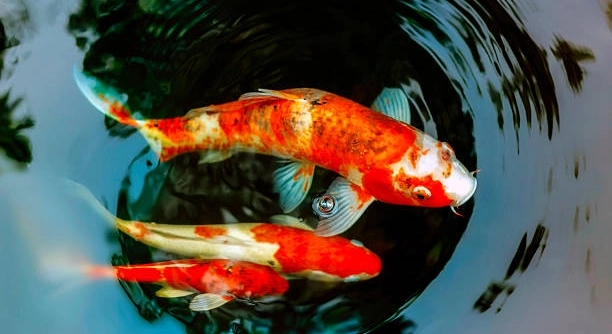
Koi ponds add beauty and calm to any garden space. Many people enjoy watching their colorful fish swim gracefully beneath the water’s surface. However, koi are sensitive creatures, especially when it comes to noise around their habitat.
Koi fish are highly sensitive to loud or sudden noises, which can cause stress and affect their health. Noise disturbances may disrupt their feeding patterns, breeding behavior, and overall well-being, making a quiet environment important for a thriving koi pond.
Learning about koi pond noise sensitivity helps ensure your fish stay healthy and peaceful. This knowledge supports better care and a more enjoyable pond experience for everyone.
How Noise Affects Koi Behavior
Koi are naturally calm fish that thrive in peaceful surroundings. When exposed to loud or sudden noises, they can become startled and stressed. This stress may cause them to swim erratically or hide for long periods, which is not normal behavior. Prolonged exposure to noise can also weaken their immune system, making them more vulnerable to disease. Even noises outside the immediate pond area, like nearby construction or loud music, can disturb them. Koi rely on stable conditions to feel safe and comfortable. It’s important to maintain a quiet environment to keep their stress levels low and ensure they behave naturally. Simple changes, like placing the pond away from noisy equipment or busy roads, can make a big difference. Paying attention to the noise around your pond helps your koi stay relaxed and healthy over time.
Keeping noise levels low around your koi pond encourages peaceful behavior and reduces stress.
Understanding koi reactions to noise helps create a calm habitat. Regularly observing their behavior can show when noise might be affecting them. Providing plants or decorations inside the pond gives them places to hide when they feel threatened. A quiet setting supports their natural habits like feeding and swimming smoothly. When koi feel safe, they grow better and show more vibrant colors. Keeping an eye on how noise impacts your koi helps you take quick action if needed. Overall, a calm environment promotes the well-being of your fish and makes the pond more enjoyable to watch.
Common Noise Sources Near Koi Ponds
Many noise sources can disturb koi without owners realizing it. Everyday sounds like lawnmowers, leaf blowers, or nearby traffic can be loud enough to cause stress. Household appliances, such as air conditioners or generators, can also create constant noise that bothers koi. Construction projects or events held close to the pond area may temporarily increase noise levels, upsetting the fish. Even loud voices or footsteps near the pond can trigger a reaction. It helps to be aware of these sounds and try to limit them when possible. Creating some distance between the pond and noise sources can improve the fish’s environment. Adding sound barriers like hedges or fences can also reduce noise impact. Being mindful of the noise around your pond is an important step in caring for your koi.
Regular household noises can disturb koi, but managing them helps maintain a peaceful pond atmosphere.
Reducing noise near your koi pond requires planning and effort. Start by identifying the loudest sounds around your pond. If possible, move noisy equipment or schedule noisy tasks for times when the koi are less active. Planting shrubs or building fences around the pond area can block or absorb sound. Water features like waterfalls or fountains can create soothing noise that masks louder disturbances. Keeping the pond area quiet during feeding and resting times is important to avoid stressing the fish. Regular maintenance of pond equipment also prevents unexpected loud sounds. By minimizing noise, you improve koi health and make the pond a relaxing place for yourself too. Simple adjustments can create a much more peaceful environment, helping your koi live longer and happier lives.
Signs Your Koi Are Stressed by Noise
Koi stress shows in several ways. They may hide more than usual, stop eating, or swim erratically. These changes mean the environment might be too noisy for them.
Watching koi closely helps spot early signs of stress. If your fish suddenly dart around or stay still at the pond’s bottom, it could be due to noise. Stress can also cause color fading or clamped fins. Sometimes koi jump out of the water, which may signal discomfort. Addressing noise sources quickly can prevent health problems and keep koi active and vibrant. Paying attention to these signs protects your fish’s well-being.
Stress weakens koi’s immune system, making them prone to illness. Noise disturbances can reduce oxygen levels in water by causing fast swimming or hiding. This affects their breathing and feeding habits. If stress lasts long, koi might develop infections or stop growing. Creating a quieter environment lowers these risks and helps koi recover. Simple changes like moving the pond or adding barriers reduce noise. Regular checks on fish behavior and water quality also ensure a healthy habitat.
Tips to Reduce Noise Around Your Pond
Keeping noise low improves koi health. Plant dense shrubs around the pond to block sound. Add a small waterfall or fountain to create calming water noise.
Placing the pond away from busy roads or machinery reduces disturbances. Avoid running noisy equipment near the pond during feeding times. Use sound-absorbing materials like wood or stone walls to lessen loud sounds. Installing barriers can protect koi from sudden noises, helping them feel safe. Adjusting your routine and environment shows care for your koi’s needs. Small efforts create a peaceful pond where koi thrive and stay stress-free.
Best Times to Care for Your Koi
Early morning or late evening are the best times to care for your koi. During these times, the environment is quieter, which helps reduce stress for your fish. Feeding and maintenance are less likely to disturb them.
Avoid noisy activities near the pond during feeding times. Koi eat better when they feel safe and calm, so keeping quiet helps improve their appetite and overall health.
How to Create a Quiet Pond Area
Choose a spot for your pond away from roads and noisy appliances. Adding plants and barriers helps absorb sound. These steps make the pond environment peaceful and comfortable for koi.
Using Water Features to Mask Noise
Waterfalls and fountains can add soothing sounds that cover up harsh noises. This gentle noise helps koi stay calm by reducing sudden loud sounds near the pond.
FAQ
How sensitive are koi to noise?
Koi are quite sensitive to noise, especially loud or sudden sounds. They rely on calm surroundings to feel safe. Too much noise can stress them, which may lead to health problems or changes in behavior. Even noises that seem minor to us, like loud footsteps or nearby machinery, can upset them.
What types of noises bother koi the most?
Loud noises such as construction, lawnmowers, or car engines can cause stress. Constant background noises like air conditioners or generators also bother koi. Sudden loud bangs or voices near the pond can startle them. Even household appliances running nearby might disturb their peaceful environment.
Can noise cause koi to stop eating?
Yes. Stress from noise can make koi lose their appetite. When they feel unsafe or nervous, they often hide or swim erratically rather than eating. Consistently loud or disturbing noise can lead to longer feeding problems, which affects their health and growth.
How can I tell if my koi are stressed from noise?
Look for signs like hiding frequently, swimming erratically, fading colors, clamped fins, or jumping out of the water. Stressed koi may also stop eating or become less active. Observing changes in normal behavior helps catch noise stress early.
Will noise affect koi breeding?
Yes, noise can interfere with koi breeding. Stress makes koi less likely to spawn or care for their eggs. A quiet environment encourages natural breeding behavior, while loud sounds can disrupt this process.
Are koi more sensitive to noise during certain times?
Koi are more vulnerable to noise stress during feeding, breeding, and rest periods. Avoid noisy activities near the pond at these times to protect their well-being. Early mornings and evenings are when koi are most active and sensitive.
What are easy ways to reduce noise near a koi pond?
Planting shrubs or trees around the pond helps block sound. Adding fences or walls made from wood or stone also reduces noise. Water features like fountains create gentle sounds that mask loud noises. Keeping noisy equipment away from the pond area is important too.
Can water movement help reduce noise stress?
Yes, gentle water movement from waterfalls or fountains creates soothing background noise. This helps mask sudden loud sounds and keeps koi calm. Water movement also improves oxygen levels, benefiting fish health.
Should I move my pond if it’s near a noisy area?
If possible, yes. Moving the pond farther from busy roads or noisy machines can greatly improve koi comfort. If moving isn’t an option, adding sound barriers and plants can help reduce noise impact.
How often should I observe my koi for signs of noise stress?
Daily observation is best. Watching koi regularly helps spot stress early. Noticing changes in behavior or appearance allows quick action to reduce noise and improve their environment.
Does noise affect water quality in a koi pond?
Indirectly, yes. Stressed koi may swim rapidly or hide, disturbing sediment and oxygen levels. Poor oxygenation can harm fish health. Maintaining a calm environment supports better water quality and koi well-being.
Are younger koi more sensitive to noise than older ones?
Younger koi tend to be more sensitive because they are still developing and adapting. Stress can affect their growth and immune system. Older koi might handle noise better but still need a peaceful environment.
Can I train koi to get used to noise?
Koi may become somewhat accustomed to consistent low-level noise over time, but loud or sudden noises will always cause stress. It’s best to keep noise minimal to protect their health rather than rely on adaptation.
Is it normal for koi to jump when they hear noise?
Jumping is a natural reaction to sudden loud sounds. It is a sign of stress and discomfort. Frequent jumping can cause injuries or health issues, so reducing noise helps prevent this behavior.
Does covering a koi pond help with noise?
Covers protect koi from predators and debris but do little to reduce noise. Sound barriers around the pond are more effective for minimizing noise impact.
How long does it take for koi to recover from noise stress?
Recovery depends on the noise level and duration of stress. If noise is reduced quickly, koi can calm down in days or weeks. Prolonged noise stress may require longer recovery and extra care to restore health.
Can feeding koi help reduce stress from noise?
Feeding alone doesn’t remove stress but providing food during quiet times can help koi focus on eating rather than the noise. Consistent feeding routines create a sense of security.
Are there any noises koi actually like?
Koi respond well to gentle, natural sounds like flowing water. Soft background noise from fountains or waterfalls can comfort koi, helping them feel more secure.
How does stress from noise compare to other stress factors?
Noise is a major stress factor but interacts with others like water quality, temperature, and overcrowding. Reducing noise is an important step but should be combined with good pond care for best results.
What should I do if my koi show signs of noise stress?
Identify and reduce noise sources immediately. Add sound barriers or plants, move noisy equipment away, and create calming water features. Monitor fish behavior closely and improve water quality to support recovery.
Is it okay to have background music near a koi pond?
Soft music at low volume may be okay if it doesn’t startle koi. Loud or sudden music can cause stress. It’s best to keep music away from the pond or use natural water sounds instead.
Creating a quiet and peaceful environment around your koi pond is important for the health and happiness of your fish. Koi are sensitive to loud or sudden noises, and these disturbances can cause stress, which affects their behavior and well-being. When koi feel stressed, they may stop eating, hide, or swim erratically, all of which can lead to health problems over time. By understanding how noise affects your koi, you can take simple steps to reduce sounds around the pond and provide a calm space for them to thrive. This helps keep your koi healthy and allows you to enjoy watching them without worry.
There are many ways to manage noise near your koi pond that do not require major changes. Planting bushes or trees around the pond area can block and absorb noise, creating a quieter atmosphere. Adding sound barriers like fences or stone walls also helps reduce loud sounds coming from nearby roads or equipment. Water features such as small waterfalls or fountains add gentle, soothing sounds that cover up harsher noises. Avoid running noisy machines or doing loud activities near the pond, especially during feeding or resting times. These small adjustments make a big difference in reducing koi stress and supporting their natural behaviors.
Paying attention to your koi’s behavior is key to keeping them comfortable. Watch for signs of stress like hiding, color fading, or jumping, and act quickly if you notice any changes. Keeping the pond environment quiet and peaceful supports better health, feeding, and even breeding. Creating a calm space is not only good for your fish but also makes the pond area more relaxing for you. By caring for your koi’s sensitivity to noise, you help them live longer, healthier lives while enjoying the beauty they bring to your garden.

Hello,
If you enjoy the content that we create, please consider saying a "Thank You!" by leaving a tip.
Every little bit helps us continue crafting quality advice that supports the health, happiness, and well-being of pets around the world, for pets of all shapes, sizes, and species.
We really appreciate the kindness and support that you show us!