
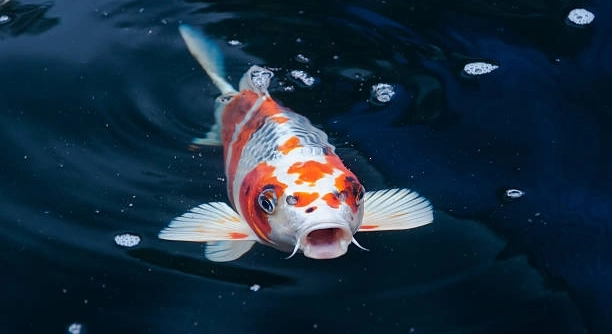
Are your koi fish showing signs of stress every time you perform routine pond maintenance or clean their habitat? Knowing what they need during this time can help keep them calm and healthy year-round.
Koi fish need stable water conditions, reduced disturbances, and proper oxygenation during pond maintenance. Supporting their immune system with stress-reducing treatments and temporarily pausing feeding can also help minimize health risks during cleaning and water changes.
Protecting your koi during pond work can make a lasting difference in their behavior, comfort, and long-term well-being in your care.
Keep Water Parameters Stable
During pond maintenance, koi fish become vulnerable to sudden water changes. Temperature, pH, ammonia, nitrite, and oxygen levels must be kept within safe ranges. Rapid shifts can cause stress or illness, especially when large volumes of water are removed. It’s best to perform partial water changes instead of draining the entire pond. Replace no more than 25–30% of the water at once and make sure the new water matches the pond’s existing temperature. Use a dechlorinator if you’re adding tap water. Avoid scrubbing or over-cleaning the pond’s surfaces, as this can remove beneficial bacteria. These bacteria help break down waste and keep ammonia and nitrite levels in check. Maintaining this balance is essential for the health of your koi during and after cleaning. Monitoring water quality before, during, and after maintenance can help reduce the risk of shock or infection, giving your koi a better chance to stay healthy.
Water testing should be done using reliable kits to ensure proper readings.
Keeping the water conditions consistent can help your koi avoid unnecessary stress during routine pond maintenance.
Reduce Stress and Provide Support
Koi can become stressed by loud noises, sudden movements, or exposure to predators when the pond is disturbed. It helps to work calmly and limit activity around the pond.
If your koi are showing signs of stress such as clamped fins, sluggish movement, or rapid gill movement, consider using a pond-safe stress reliever. These products usually contain aloe vera or similar additives that help protect the slime coat. Feeding should be stopped for about 24–48 hours after maintenance to avoid digestive issues caused by water changes. Keep in mind that koi metabolize food more slowly when stressed, and uneaten food can pollute the pond. It also helps to make sure your pond has hiding places—plants, tunnels, or other shaded areas—where koi can retreat during and after cleaning. Observing their behavior post-maintenance is important. Any changes in activity or appearance should be noted and addressed early. With the right steps, you can minimize their discomfort and keep them in good condition.
Maintain Proper Oxygen Levels
Koi need well-oxygenated water, especially during maintenance when debris may stir up and reduce oxygen availability. Using airstones or turning up your pond’s aeration system can help maintain stable oxygen levels throughout the process.
Low oxygen levels can cause koi to gasp at the surface or gather around waterfalls and filters. Make sure your pond’s aeration is running efficiently before, during, and after cleaning. If your pond includes a waterfall, keep it running during maintenance to improve circulation. Avoid cleaning all the filters at once, as this can disrupt helpful bacteria. If necessary, clean filters on separate days. Pay close attention during hot weather, as warm water holds less oxygen. Reducing stress and ensuring stable oxygen can help koi adjust better to temporary disturbances caused by maintenance activities. Their breathing will remain steady, and their movement will stay active and relaxed.
Using backup aeration can also help during power outages or equipment issues. Monitoring helps prevent avoidable problems.
Avoid Overfeeding After Maintenance
Koi fish may appear eager to eat once pond work is finished, but it’s better to wait. Their digestive systems can be sensitive after environmental changes, and uneaten food may lower water quality.
Feeding koi too soon after maintenance can cause more harm than good. Their bodies need time to adjust to any small changes in water chemistry or temperature. Resume feeding slowly after 24–48 hours. Start with smaller portions and observe how they respond before offering more. Uneaten food can decay and raise ammonia levels, undoing the benefits of your maintenance. Stick to their regular feeding schedule once they seem relaxed and active again. Watch for any signs of stress or bloating. Koi are resilient, but careful feeding habits can help them bounce back faster and avoid digestive issues. Clean up any leftover food promptly to maintain a balanced pond environment.
Watch for Changes in Behavior
After maintenance, koi may behave differently. Look for signs like reduced movement, loss of appetite, or unusual swimming patterns. These changes can mean they’re still adjusting or may be feeling stressed from the cleaning process.
Monitor them closely over the next few days. If behavior doesn’t improve or worsens, test the water again and check for hidden problems. Stable water conditions and minimal disturbances will help them settle back into their normal routine.
Keep Filtration Running Smoothly
Your pond’s filtration system is essential for removing waste and keeping water clear. After maintenance, double-check that everything is working properly. Clean mechanical filters gently without removing all the beneficial bacteria. Biological filters should be left mostly undisturbed to avoid disrupting the nitrogen cycle. Skimmers and UV clarifiers should also be inspected for clogs or buildup. Regular filter checks and proper cleaning can support healthy water conditions and reduce the need for frequent large cleanings. Make sure the water flow is strong and consistent throughout the pond to avoid low-oxygen areas and maintain a stable environment for your koi.
Limit Disturbances Around the Pond
Try to keep the area calm and quiet after cleaning. Avoid sudden movements or loud sounds nearby that could stress your koi while they recover.
FAQ
How often should I clean my koi pond?
Most koi ponds benefit from a light cleaning every one to two weeks, especially during warmer months when fish are more active and eating more. This usually includes checking filters, removing debris, and performing a partial water change. A deeper clean, such as vacuuming the pond bottom and scrubbing algae from the sides, can be done once or twice a year depending on the pond size, stocking levels, and filtration. Over-cleaning can disrupt the pond’s natural balance, so it’s better to clean gradually and only when necessary to maintain a healthy environment for your koi.
Can I leave my koi in the pond during cleaning?
Yes, koi can usually stay in the pond during routine maintenance. Avoid draining the pond completely, and always keep at least 70–75% of the water intact if possible. When using pumps or vacuums, move slowly and avoid chasing or startling the fish. If you’re doing a more intense clean or working with chemicals that may harm koi, temporarily relocating them to a holding tank may be safer. Just be sure the temporary setup has good aeration and similar water conditions to reduce stress.
What water parameters should I test after maintenance?
After cleaning your pond, it’s important to test ammonia, nitrite, nitrate, pH, and temperature. Sudden changes in any of these values can affect your koi’s health. If ammonia or nitrite levels rise, reduce feeding and increase aeration. A stable pH between 7.0 and 8.5 is ideal. Water temperature should be consistent, especially in cooler months. Use a reliable test kit and retest after 24–48 hours to confirm that the pond has stabilized. Catching small problems early can help you prevent bigger issues from developing.
How long should I wait to feed my koi after pond maintenance?
Wait at least 24–48 hours before feeding your koi again. Maintenance can cause temporary changes in water quality, which may affect digestion. Koi may also be mildly stressed and need time to relax. Feeding too soon can lead to uneaten food, which decays and causes ammonia spikes. Once your koi are swimming normally and water parameters look stable, resume feeding in smaller amounts. Gradually return to their normal schedule based on how they respond.
Is it safe to add new water directly from the tap?
Tap water often contains chlorine or chloramine, both of which can harm koi. Always use a dechlorinator before adding tap water to the pond. If you’re adding a large volume of water, try to match the temperature as closely as possible to the pond’s existing water. Pour water slowly into an area with good circulation, like near a waterfall or return pipe. Testing the water after refilling is also a good habit to confirm everything remains balanced.
Should I clean all my filters during each maintenance session?
Avoid cleaning all filters at once. Mechanical filters like sponges and pads can be rinsed more regularly, but biological media should be left mostly undisturbed. If too much beneficial bacteria is removed, ammonia and nitrite levels can spike. Rotate your filter cleaning schedule so one part is always active and stable. Rinse filter media using pond water, not tap water, to preserve beneficial bacteria.
What are signs that my koi are stressed after maintenance?
Common signs include clamped fins, loss of appetite, erratic swimming, hiding more than usual, or gasping at the surface. These signs can appear if water parameters shift or if the pond was disturbed too much. Keep the environment calm and monitor their behavior closely for a few days. If stress continues, recheck the water quality and look for temperature changes or other disruptions.
Do koi need any supplements after cleaning the pond?
Supplements aren’t always necessary, but some pond keepers use products like stress coat protectants or beneficial bacteria additives after maintenance. These help support the koi’s slime coat and reestablish the pond’s bacterial balance. If your fish seem fine and water quality remains stable, supplements can be skipped. Only use pond-safe products designed for koi or pond fish.
How can I tell if my pond maintenance is too aggressive?
If your koi become lethargic, your water turns cloudy, or your ammonia levels rise, the cleaning may have been too disruptive. Cleaning too often or too thoroughly can strip away beneficial bacteria and unsettle your pond’s natural filtration. Stick to light, regular maintenance and space out deep cleanings.
Final Thoughts
Keeping your koi healthy during pond maintenance comes down to being careful, consistent, and aware of their needs. Regular upkeep helps keep the water clean, filters working properly, and the fish stress-free. Each time you perform maintenance, it’s important to watch how your koi behave and how the water reacts. Even small tasks, like removing leaves or rinsing a filter pad, play a big role in the overall balance of the pond. While some steps may seem basic, skipping them can lead to bigger problems. Sticking to a routine can help avoid sudden changes that stress your koi.
Every pond is different, so how you manage yours may not be the same as someone else’s. Things like pond size, fish population, and the amount of sunlight all affect how often you need to clean and what steps you should take. Learning what works for your setup takes time, but the more familiar you are with your pond, the easier it becomes to spot changes early. A little attention each week can go a long way. You don’t need to overdo it—gentle and consistent care usually works best. Taking notes after each maintenance session can help you stay organized and track any patterns that develop.
Koi are sensitive to changes in their environment, especially when water parameters shift too quickly. Making small changes instead of major ones all at once is safer for them. Giving them time to adjust after cleaning helps reduce stress. After maintenance, allow the pond to settle before feeding or introducing anything new. Test your water, watch your koi, and make sure everything looks normal before moving forward. Koi care doesn’t have to be complicated when you pay attention to the basics and stay consistent. With patience and regular maintenance, your koi can continue to thrive in a healthy and stable pond.

Hello,
If you enjoy the content that we create, please consider saying a "Thank You!" by leaving a tip.
Every little bit helps us continue crafting quality advice that supports the health, happiness, and well-being of pets around the world, for pets of all shapes, sizes, and species.
We really appreciate the kindness and support that you show us!