
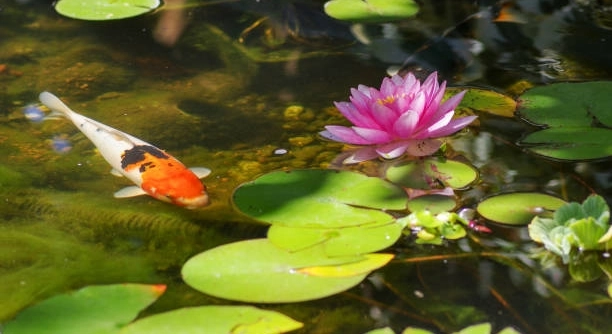
Koi are beautiful and peaceful fish that many enjoy keeping in ponds. Sometimes, they show signs of territorial behavior that can affect their tank mates. Knowing how to spot these signs helps maintain a balanced and calm environment.
Territorial behavior in koi typically includes chasing, nipping, or blocking other fish from certain areas. These actions establish dominance and protect their chosen space, which can impact the overall harmony of the pond. Recognizing these behaviors early is important for proper care.
Understanding koi territorial behavior helps create a healthier space for all your fish. This knowledge can prevent conflicts and keep your pond peaceful and enjoyable.
Signs of Territorial Behavior in Koi
Koi show territorial behavior in several clear ways. One common sign is chasing. When one koi repeatedly follows or rushes at another, it’s marking its space. You might also see nipping, where a koi bites the fins or tails of other fish. This can lead to stress or injury if not managed. Another sign is when a koi blocks access to favored spots like plants, rocks, or shaded areas. These behaviors usually increase during feeding or breeding times, as koi become more protective. Watching your fish’s interactions carefully helps you catch these signs early. This is important because unchecked territorial behavior can cause constant stress and harm to your koi, impacting their health and happiness. Taking note of these actions allows you to act before serious problems develop, keeping the pond peaceful for everyone.
Spotting these signs early can help maintain balance in your pond.
Understanding these behaviors is key to managing koi in shared environments. When koi feel threatened or crowded, they defend their space more aggressively. Creating hiding spots and spreading feeding areas can reduce tension. Sometimes, separating aggressive koi temporarily helps restore peace. Monitoring changes in behavior regularly ensures you can respond quickly. This prevents injuries and keeps your koi healthy and calm. Proper pond design and regular observation are practical ways to reduce territorial conflicts and promote harmony among your fish.
Why Territorial Behavior Happens
Territorial behavior in koi usually happens because they feel the need to protect resources. Space, food, and breeding spots are valuable, and koi defend them to survive and reproduce. Sometimes, overcrowding increases stress, causing more aggressive actions. Age and size differences also play a role. Larger koi tend to dominate smaller ones, which can trigger more fighting. Changes in the environment, like water quality or new fish, might make koi feel insecure, increasing territorial behavior. Recognizing these triggers helps you manage your pond better and reduce stress on your fish.
Addressing the causes of territorial behavior helps create a calmer pond environment.
By understanding why koi act territorially, you can take steps to improve their habitat. Providing enough space is essential; a crowded pond leads to competition and aggression. Regular cleaning and good water quality reduce stress and make koi feel safe. Adding plants or decorations gives koi places to hide and claim as their own, diffusing conflicts. Introducing new koi slowly allows others to adjust without immediate challenges. Observing koi personalities also helps—some are naturally more dominant and may need extra care. By managing these factors, you promote peaceful coexistence and healthier koi overall.
Managing Aggressive Koi
Controlling aggressive behavior starts with observing which koi act territorial. Identifying the most aggressive individuals helps focus your efforts. Adjusting the pond setup often eases tensions.
One way to manage aggression is by rearranging pond decorations and plants. This breaks up sightlines and reduces dominance displays. Adding more hiding places lets smaller or shy koi escape when needed. Spreading out feeding spots limits competition during mealtime. Sometimes, reducing the number of koi or increasing pond size is necessary to give fish enough room. These changes lower stress and promote calmer interactions.
Separating very aggressive koi temporarily can prevent injuries. Use a separate tank or a divider within the pond. This allows time for fish to cool down and reduces constant conflict. When reintroducing koi, watch their behavior closely. If aggression continues, further separation might be required. This approach helps keep your koi healthy and reduces the risk of injury caused by constant fighting.
Feeding Habits and Territory
Feeding time often triggers territorial disputes among koi. They become more protective of food and space, increasing aggression during this period. Understanding this helps in reducing conflicts.
To prevent fights during feeding, scatter food in multiple areas of the pond. This approach lowers competition and keeps koi focused on eating rather than guarding spots. Feeding smaller amounts several times a day also reduces urgency and stress. Using sinking pellets helps avoid surface fights, as fish feed at different levels. Additionally, keep an eye on the koi’s behavior during feeding times to catch early signs of aggression. Adjusting feeding routines can greatly improve harmony and reduce territorial disputes over food.
Watching for Changes in Behavior
Changes in koi behavior often signal territorial issues. Sudden chasing, hiding, or fin damage means tensions may be rising.
Keep an eye on how koi interact daily. Early detection helps prevent serious conflicts and injury, keeping the pond peaceful.
Creating a Balanced Environment
A balanced environment reduces territorial disputes. Providing plenty of space and hiding spots lets koi feel secure. Planting dense vegetation and adding rocks creates natural boundaries. This setup allows koi to claim areas without constant fighting. Proper filtration and regular water changes keep water quality high, reducing stress. When koi feel safe and comfortable, they are less likely to show aggression. Thoughtful pond design is a key step in promoting harmony among your fish and minimizing territorial behavior.
When to Consider Separation
If aggression causes harm or stress, separating koi might be necessary. Temporary separation gives fish time to calm down and reduces injury risks.
FAQ
How can I tell if my koi are being territorial or just playing?
Territorial behavior usually looks more intense and focused. If koi chase or nip repeatedly at the same fish or block certain areas, they are likely defending territory. Playing is more gentle and brief, without persistent aggression. Watching how long and often the behavior happens helps tell the difference.
What causes koi to become territorial suddenly?
Sudden territorial behavior can be caused by changes in the pond, like adding new fish, changes in water quality, or stress from overcrowding. Seasonal changes and breeding cycles can also increase territorial instincts. Keeping the environment stable reduces sudden aggression.
Is it normal for bigger koi to dominate smaller ones?
Yes, size plays a role in koi hierarchy. Larger koi often claim dominance and territory, which can lead to smaller koi being pushed away or chased. It’s important to monitor interactions and provide enough space and hiding spots for all sizes to reduce stress.
Can territorial koi hurt each other?
Yes, aggressive chasing and nipping can cause physical injuries such as torn fins and open wounds. Injuries increase the risk of infection and stress, so it’s important to intervene if you see signs of harm.
How often should I feed my koi to reduce territorial fights?
Feeding smaller amounts multiple times a day helps reduce competition. Spreading food in different areas of the pond also lowers fights during feeding. A regular feeding schedule keeps koi less aggressive and better balanced.
What are good hiding spots to reduce territorial disputes?
Dense plants, large rocks, and submerged decorations provide safe areas for koi to escape and rest. These spots let less dominant fish avoid confrontations and help break up sightlines, reducing aggressive behavior.
Should I separate koi that are always aggressive?
If a koi consistently harms others or causes stress, temporary separation is wise. Using a divider or separate tank helps calm aggressive fish and protects others. After some time, you can try reintroducing them carefully.
How can I improve my pond to lower koi territorial behavior?
Increasing pond size, adding plants and decorations, and spreading feeding areas can make a big difference. Good water quality and stable conditions also reduce stress, making koi less likely to compete aggressively.
Does water quality affect koi aggression?
Poor water quality stresses koi and can increase aggressive behavior. Keeping ammonia and nitrite levels low, along with proper filtration and regular water changes, supports calm and healthy fish.
Are some koi breeds more territorial than others?
Certain koi breeds or individual personalities may be naturally more dominant. While all koi can show territorial behavior, some may be more prone to it. Paying attention to individual traits helps manage the pond’s balance.
How do I introduce new koi without causing territorial fights?
Introduce new koi slowly by quarantining them first and then using a divider in the main pond. This allows current koi to get used to new arrivals without direct contact. Gradual introduction lowers stress and aggression.
Can overcrowding cause territorial behavior in koi?
Yes, overcrowding reduces space and resources, leading to more fights. Keeping the pond stocked according to size and filtration capacity helps prevent territorial disputes and promotes a healthier environment.
What signs indicate that koi aggression is becoming serious?
Look for frequent chasing, visible injuries, constant hiding by some fish, and reluctance to feed. These signs show stress and imbalance, and action is needed to restore peace in the pond.
Is it helpful to rearrange pond decorations regularly?
Yes, changing decorations can disrupt established territories and reduce aggressive patterns. It keeps koi from becoming too comfortable in one spot and helps maintain social balance.
Can koi territorial behavior affect breeding?
Aggression can stress koi during breeding season, potentially lowering reproductive success. Providing plenty of space and hiding areas helps breeding pairs feel secure and improves chances of healthy spawning.
Final Thoughts
Managing territorial behavior in koi is an important part of keeping a healthy and peaceful pond. Koi naturally show some signs of dominance, but when aggression becomes frequent or harmful, it can affect the well-being of all the fish. Paying attention to how your koi interact and recognizing early signs of territorial behavior can help you prevent bigger problems. By watching closely, you give yourself the chance to make adjustments to the pond environment or the way you care for your fish. This helps maintain balance and keeps the pond a calm space for everyone.
There are several simple steps that can make a big difference in reducing koi aggression. Making sure the pond is large enough for the number of fish you have is key. Overcrowding causes competition for space and food, which increases fighting. Adding plants, rocks, and hiding places creates natural boundaries and safe areas where koi can rest without feeling threatened. Spreading out feeding times and locations also helps prevent conflicts during mealtime. These changes improve the quality of life for your koi and make your pond more enjoyable to watch.
Sometimes, despite your best efforts, a few koi may still show strong territorial behavior. In these cases, separating aggressive fish temporarily can protect the others and give everyone a chance to calm down. Introducing new koi slowly and carefully helps reduce stress and territorial disputes. Maintaining good water quality and stable conditions also supports peaceful behavior. With patience and proper care, you can manage territorial issues and create a balanced, happy environment for your koi. Keeping your pond peaceful will allow you to enjoy the beauty and grace of these fish for years to come.

Hello,
If you enjoy the content that we create, please consider saying a "Thank You!" by leaving a tip.
Every little bit helps us continue crafting quality advice that supports the health, happiness, and well-being of pets around the world, for pets of all shapes, sizes, and species.
We really appreciate the kindness and support that you show us!