
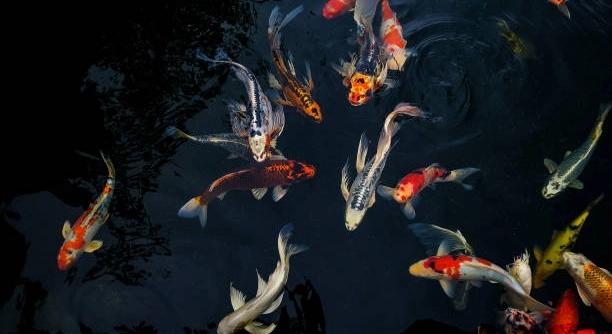
Visiting a koi pond can be a peaceful experience for many people. Ensuring the safety of koi during these visits is important for maintaining a healthy pond environment. Simple precautions help protect these beautiful fish from harm.
Making pond visits safer for koi involves careful attention to water quality, minimizing stress, and preventing contamination. Proper handling, maintaining secure barriers, and monitoring fish behavior are essential steps to reduce risks and promote koi well-being.
Knowing these key safety measures will help you create a better environment for your koi and enjoy your pond visits with confidence.
Keep Water Clean and Well-Filtered
Keeping your pond water clean and well-filtered is one of the most important ways to protect your koi. Dirty water can cause stress and make fish more vulnerable to disease. Regularly checking and maintaining the filtration system helps remove harmful substances. Changing some water often will keep the environment fresh and balanced. Avoid using harsh chemicals that can hurt the fish or disrupt beneficial bacteria. Adding aquatic plants can also improve water quality by absorbing excess nutrients. A well-maintained pond means healthier koi that are less likely to get sick or stressed. Watching water clarity and testing levels for ammonia, nitrites, and nitrates helps catch problems early. Proper filtration supports a stable environment, making visits safer for both you and the koi. Always clean filters gently to keep helpful bacteria alive, as this aids in breaking down waste naturally.
Consistent water quality checks are simple but vital for koi health.
A clean pond creates a safer space where koi can thrive. Clear, oxygen-rich water reduces stress and limits disease risks. Healthy water supports strong fish that enjoy better immune responses. This makes your time at the pond more enjoyable and worry-free.
Handle Koi Carefully and Minimally
Handling koi should be done only when necessary and with great care. Koi have delicate scales and skin that can be easily damaged. Use a soft net or wet hands to avoid harming them. Always support the fish gently and avoid squeezing. If you need to move koi, keep the process quick to reduce stress. Excessive handling can weaken their immune system and cause infections. It’s better to watch and admire koi from outside the pond. When you must handle them, make sure your hands are clean and free of soap or lotions. This prevents harmful substances from transferring to the fish. Careful, minimal contact helps koi stay healthy and less anxious.
Handling koi properly reduces the chance of injury and stress.
Keeping contact low lowers the risk of spreading diseases or causing harm. Stress weakens fish and can lead to long recovery times. Being gentle and brief during handling protects their natural defenses and helps maintain a calm pond atmosphere. Taking time to learn the right way to hold koi ensures safer interactions. Minimizing handling also allows koi to focus on their natural behavior, making your pond visits more peaceful and rewarding. With less stress, koi grow stronger and enjoy better health, so each visit remains a positive experience.
Secure the Pond Area
A secure pond area keeps koi safe from accidental harm or predators. Barriers like fences or covers prevent pets and wildlife from disturbing the fish. It also stops children from falling in or causing stress to koi by sudden movements.
Proper fencing around the pond reduces risks significantly. It creates a clear boundary that protects koi from dogs, cats, raccoons, or birds looking for food. Adding a net or cover during certain seasons can also keep leaves and debris out while protecting fish. These physical barriers limit unwanted contact, which helps maintain calmness in the pond. Secure surroundings also prevent koi from jumping out or getting caught by predators. Making the pond area safe supports a peaceful environment where koi can swim freely without danger. This way, your visits stay enjoyable and worry-free.
Checking fences and nets regularly ensures they remain effective. Repair any damage quickly to keep the pond secure at all times.
Monitor Fish Health Regularly
Watching your koi for signs of illness or stress is essential. Early detection can prevent serious problems and protect the entire pond. Look for changes in behavior, appetite, or appearance.
Keeping a close eye on your koi’s health helps catch issues early. Common signs of trouble include lethargy, clamped fins, or unusual spots on their bodies. Daily observation during pond visits can reveal subtle changes that might otherwise be missed. Maintaining a log of health notes can be helpful. If you spot anything concerning, act quickly to isolate the affected fish or adjust water conditions. Regular health checks allow you to provide timely treatment or advice from professionals. Preventative care is easier and less stressful than dealing with full-blown illness.
Healthy koi are active, eat well, and swim smoothly. Staying attentive ensures your pond stays a safe, happy home for them.
Avoid Overfeeding
Overfeeding koi can cause water pollution and health problems. Uneaten food decomposes, increasing harmful waste in the pond. Feeding only what koi can eat in a few minutes keeps water cleaner and fish healthier.
Proper feeding prevents excess nutrients that lead to algae growth and poor water quality. Koi need balanced portions to avoid obesity and digestive issues. Stick to a regular feeding schedule and avoid giving treats too often. Observing koi during feeding helps adjust amounts as needed.
Maintain Proper Oxygen Levels
Oxygen is crucial for koi survival. Ensure good water circulation and aeration with pumps or fountains. Proper oxygen levels support fish health and reduce stress.
Avoid Using Harmful Chemicals
Many common chemicals harm koi and pond ecosystems. Use only pond-safe products when cleaning or treating water. Avoid pesticides, fertilizers, and household cleaners near the pond.
Keep Predators Away
Predators like herons and raccoons pose a threat to koi. Use deterrents such as netting or motion-activated devices to protect your fish and maintain a safe pond environment.
How often should I check my pond’s water quality?
Regular water testing is important to keep koi healthy. Ideally, test your pond water at least once a week. Check key parameters like pH, ammonia, nitrite, and nitrate levels. Keeping these balanced prevents stress and disease. If you notice changes in fish behavior or water clarity, test more often. During warmer months, frequent checks are especially important since water conditions can change faster. Simple test kits are affordable and easy to use, allowing you to monitor your pond closely. Staying on top of water quality helps you catch problems early and maintain a safe environment for your koi.
What is the best way to introduce new koi to my pond?
Introducing new koi should be done carefully to avoid stress and disease spread. First, quarantine new fish in a separate tank for at least two weeks. This helps observe their health and prevents introducing illnesses to your main pond. During quarantine, monitor for signs of parasites or infections. When ready to introduce, slowly acclimate koi to your pond’s water temperature and chemistry by mixing pond water with their tank water over several hours. Release them gently and avoid overcrowding. Proper introduction protects your existing koi and helps newcomers settle in comfortably.
Can I feed my koi human food or treats?
Feeding koi human food is not recommended. Many common foods can harm their digestion or pollute the water. Stick to high-quality commercial koi pellets or specially formulated foods. These provide balanced nutrition essential for growth and health. Occasional treats like peas or watermelon are safe if given in moderation, but avoid anything processed or oily. Overfeeding with unsuitable foods can lead to poor water quality and health issues. Always remove uneaten food promptly to keep the pond clean and the koi healthy.
How can I reduce stress for koi during pond visits?
Stress can weaken koi immune systems and increase disease risk. Keep visits calm and avoid sudden movements or loud noises near the pond. Minimize handling unless necessary and use gentle tools when you do. Maintain stable water conditions and avoid overcrowding. Providing plenty of hiding spots like plants or decorations can also help koi feel secure. Watching koi quietly without disturbing their routine reduces stress. A calm pond environment supports stronger, healthier fish and a more enjoyable experience during visits.
What are common signs of koi illness?
Common signs include changes in swimming behavior, loss of appetite, visible wounds or spots, clamped fins, or rubbing against surfaces. White patches or stringy feces may indicate infections or parasites. Lethargy or hiding more than usual can also be warning signs. Early detection is key to treatment success. Regular observation helps catch these symptoms early. If you notice anything unusual, consult with a pond specialist or veterinarian for proper diagnosis and care.
Is it necessary to cover my pond?
Covering a pond can protect koi from predators, falling debris, and reduce algae growth by limiting sunlight. Netting or screens are common choices and should be easy to remove for maintenance. Covers also prevent koi from jumping out, especially during breeding season or in smaller ponds. While not always required, a well-chosen cover adds security and helps keep the pond environment cleaner and safer. Consider your local wildlife and pond size when deciding on a cover.
How can I protect koi from predators?
Predators like birds, raccoons, and cats can harm koi quickly. Physical barriers such as sturdy nets or fencing help keep these animals out. Motion-activated lights or sprinklers can scare predators away without harming them. Providing deep areas or plants gives koi hiding places. Avoid feeding wildlife near the pond, as this attracts predators. Consistent protection measures reduce fish losses and keep your pond peaceful.
What temperature range is best for koi ponds?
Koi thrive best between 59°F and 77°F (15°C to 25°C). Extreme cold or heat stresses fish and affects their immune system. In colder climates, ponds may need heaters or deeper sections to protect koi during winter. In hot weather, shade and aeration help maintain suitable temperatures. Monitoring and adjusting the environment supports koi health year-round.
How often should I clean my pond filter?
Cleaning your pond filter regularly is crucial for maintaining water quality. Check and clean the filter every two to four weeks depending on pond size and fish load. Rinse filter media gently in pond water to preserve beneficial bacteria. Avoid using tap water or harsh cleaning agents. Proper filter maintenance prevents clogging and keeps the filtration system working efficiently, creating a healthy habitat for koi.
Can plants improve koi pond safety?
Yes, aquatic plants help improve water quality by absorbing excess nutrients and providing oxygen. They also offer shade and hiding places, reducing koi stress and vulnerability to predators. Floating and submerged plants help maintain a balanced ecosystem. However, avoid overcrowding the pond with plants, as too many can reduce oxygen levels at night. Choosing the right plants supports a safer and more natural pond environment for your koi.
When it comes to keeping koi safe during pond visits, a few simple steps can make a big difference. Maintaining clean, well-filtered water is one of the most important things you can do. Healthy water helps koi stay strong and reduces the chances of illness. Taking time to check water quality regularly will catch problems early before they become serious. Along with water care, handling koi carefully and only when necessary protects their delicate skin and reduces stress. These small actions contribute a lot to the overall safety and well-being of your fish.
Creating a secure environment around the pond is another key point. Fences, nets, or covers keep out predators and prevent koi from accidentally jumping out or getting hurt. Keeping pets and wildlife away from the pond helps the fish feel safe and undisturbed. When koi feel secure in their space, they are less likely to be stressed, which improves their health and longevity. Also, watching for signs of illness or changes in behavior allows you to take quick action if something is wrong. Early detection of problems can often save koi from serious health issues and keep the pond peaceful.
Lastly, feeding koi properly and maintaining good oxygen levels are important parts of a safe pond. Overfeeding can pollute the water and cause health issues, so it’s best to feed only what the fish can eat quickly. Good oxygen levels support their breathing and overall vitality. Keeping these factors in balance helps koi live comfortably and enjoy a stable environment. By paying attention to these details, your koi pond will be a safer place where your fish can thrive and where your visits will remain relaxing and worry-free. Taking care of your koi with these simple, steady habits is the best way to ensure their health and happiness over time.

Hello,
If you enjoy the content that we create, please consider saying a "Thank You!" by leaving a tip.
Every little bit helps us continue crafting quality advice that supports the health, happiness, and well-being of pets around the world, for pets of all shapes, sizes, and species.
We really appreciate the kindness and support that you show us!