
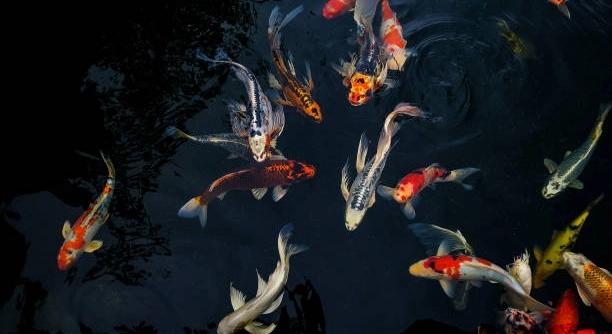
Koi fish are beautiful and peaceful pets that many people enjoy keeping in their ponds. However, these fish can often be shy and reluctant to interact with their owners. Understanding how to make koi fish less timid can improve both their well-being and your enjoyment.
The key to reducing timidity in koi fish lies in creating a calm, consistent environment and slowly building trust through gentle feeding and minimal sudden movements. Regular interaction and proper pond care help koi feel more secure and confident over time.
Knowing how to gently encourage your koi’s confidence can lead to a more lively and engaging pond experience for both you and your fish.
Understanding Koi Fish Behavior
Koi fish are naturally cautious animals. In the wild, being wary helps them avoid predators, so their timidity is an instinct. When kept in a pond, they may still react to new people, loud noises, or sudden movements by hiding or swimming away. Their environment plays a big role in how comfortable they feel. A noisy or crowded pond can make them anxious. Also, water quality affects their mood — poor water can stress them and make them less likely to explore or interact. Regular feeding times and gentle handling help koi get used to human presence. Over time, koi can learn to trust and approach for food. Watching their habits closely allows you to notice when something might be wrong or if they are becoming more confident. Patience and consistency are key to helping koi feel safe and less timid.
Koi fish need a quiet, stable environment to grow comfortable. Avoid sudden changes to help them adjust more easily.
Building trust with koi requires time, steady routines, and careful attention to their surroundings. They respond best to calm, gentle care.
Steps to Make Koi Fish Less Timid
Start by feeding koi from the same spot and at the same time daily. This routine helps koi associate your presence with something positive like food. Approach the pond slowly, avoiding quick movements that can scare them. Use soft voices and avoid loud noises nearby. It’s best to limit pond visitors and pets that might frighten the fish. Adding plants and hiding spots in the pond gives koi places to retreat when they feel nervous, which reduces stress. Maintaining clean, well-oxygenated water is essential because unhealthy conditions increase fish anxiety. Over time, koi will become more curious and swim closer during feeding. You can also try hand feeding, but only once they seem comfortable. With patience and good care, koi will gradually show less fear and more natural behavior around people.
Consistent feeding and a calm environment make koi feel secure and less shy.
Small changes in care and routine can have a big impact on koi confidence and pond enjoyment.
Handling Koi Fish Gently
Always use slow and careful movements around koi. Quick or sudden actions startle them and increase their timidity. When feeding, extend your hand slowly so they can get used to your presence without fear. Patience is important to build their trust gradually.
Start by spending time near the pond without trying to touch the fish. Let them notice you as part of their environment. Over days or weeks, they will become curious and may swim closer. Avoid tapping the glass or water surface, as this can frighten koi. Instead, gently splash a little water during feeding to attract their attention. Hand feeding is a great way to strengthen your bond but only after koi feel safe around you. This step-by-step approach helps koi lose their natural shyness and become more interactive.
Keep interactions short and positive. If koi seem stressed, give them space to calm down. Forcing contact can make them more timid rather than less.
Improving Pond Conditions
Good water quality is essential for koi to feel safe and healthy. Regularly test water parameters like pH, ammonia, and nitrate levels. Keeping these balanced reduces stress and supports natural behavior. Clean filters and remove debris often to maintain a clear, oxygen-rich environment. Adding aquatic plants provides shade and shelter, helping koi feel more secure. Temperature changes should be gradual, as sudden shifts can make koi anxious and less active. A stable, clean pond encourages koi to explore more openly and reduces their tendency to hide. Regular pond maintenance is a simple but effective way to support confident, less timid koi fish.
Consistent Feeding Schedule
Feeding koi at the same times each day helps them feel secure. They learn to expect food and associate your presence with something positive. This reduces their natural fear and encourages them to come closer.
Avoid sudden changes in feeding routines. Consistency builds trust and helps koi become more confident around you.
Creating Hiding Spots
Adding plants, rocks, and other decorations gives koi places to retreat when they feel scared. These hiding spots reduce stress and help them feel safe. A well-structured pond supports natural behaviors and encourages koi to explore.
Providing both open swimming areas and shaded, sheltered spots balances koi’s need for security and curiosity.
Avoiding Loud Noises
Loud sounds near the pond frighten koi and increase their timidity. Keep noise levels low to maintain a calm environment. Gentle surroundings help koi relax and interact more freely.
FAQ
Why are my koi fish so shy?
Koi fish are naturally cautious animals. Their shy behavior is a survival instinct to avoid predators. In a new or noisy environment, they may hide or swim away. Stress from poor water quality, sudden movements, or loud noises also makes koi more timid. Creating a calm, stable pond environment helps reduce their fear over time.
How long does it take for koi to get less timid?
The time varies depending on the koi and their environment. Some koi may start showing less timidity within a few weeks if you feed them consistently and avoid sudden disturbances. Others might take several months to fully trust their surroundings and people. Patience and regular gentle interaction are key to speeding up this process.
Can I hand feed koi fish?
Yes, but only when koi feel comfortable around you. Start by feeding near the water’s edge and letting them get used to your presence. Gradually, you can offer food from your hand. Move slowly and avoid quick movements to keep them relaxed. Hand feeding builds trust but should be done carefully.
What kind of food helps koi feel comfortable?
Koi respond well to high-quality pellets, fresh vegetables, and occasional treats like earthworms or shrimp. Feeding nutritious food regularly at the same times creates positive associations with your presence. Avoid overfeeding, as leftover food can pollute the water and stress the fish.
How does water quality affect koi behavior?
Poor water quality stresses koi, making them more timid and prone to hiding. High ammonia, nitrite levels, or low oxygen reduce their energy and appetite. Regular testing, cleaning filters, and performing water changes keep the environment healthy. Clear, oxygen-rich water supports active and confident koi.
Should I talk or make noise around the pond?
Soft talking or gentle sounds don’t usually bother koi and can help them get used to your presence. However, loud noises or sudden sounds startle them and increase timidity. Keep the area peaceful, especially during feeding or interaction times, to help koi feel secure.
How do hiding spots help reduce koi timidity?
Hiding spots give koi places to feel safe when they are nervous. Plants, rocks, or decorations provide shelter and reduce stress. When koi know they have a secure retreat, they are more willing to explore the pond and approach people. A well-balanced environment helps reduce fear naturally.
Is it normal for koi to hide a lot?
Yes, especially when they are new to a pond or stressed. Koi often hide to feel safe. If hiding becomes excessive, check water quality, temperature, and surroundings. Improving these factors and building trust through gentle care will encourage koi to be more active and less shy.
Can koi recognize their owners?
Koi can learn to recognize people who feed and care for them regularly. They remember routines and may swim closer when they see familiar faces. This recognition is linked to positive experiences like feeding, making koi less fearful and more interactive over time.
What should I avoid to keep koi less timid?
Avoid sudden movements, loud noises, and frequent disruptions near the pond. Don’t change feeding times or types of food abruptly. Keep water conditions stable and clean. Avoid overcrowding the pond with too many fish or visitors. Consistent, gentle care helps koi feel safe and confident.
Is it okay to have other animals near the pond?
Pets like dogs or cats can scare koi if they approach the pond suddenly or noisily. Keep pets calm and supervised around koi ponds. Birds and other wildlife may cause stress if they threaten the fish. Creating barriers or planted borders can protect koi and reduce their timidity.
How often should I clean the pond to help koi feel safe?
Regular cleaning is important but avoid doing everything at once. Partial water changes every one to two weeks and filter maintenance keep water quality high without stressing koi. Cleaning too often or disturbing the pond too much can increase koi timidity. Balance is key.
What signs show that koi are becoming less timid?
More active swimming, approaching feeding spots quickly, and eating from your hand are good signs. Koi may become curious, exploring more of the pond and reacting calmly to your presence. These behaviors show they feel more secure and comfortable in their environment.
Can stress from overcrowding make koi shy?
Yes, too many fish in a pond increase competition for food and space, causing stress. Overcrowding makes koi hide more and act timid. Maintaining a proper fish-to-pond size ratio helps reduce stress and encourages confident behavior.
Is temperature important for koi comfort?
Koi prefer stable water temperatures between 65°F and 75°F (18°C–24°C). Sudden temperature changes cause stress and increase timidity. Keeping the pond shaded during hot days and preventing freezing in winter supports koi health and reduces nervous behavior.
Final Thoughts
Helping koi fish become less timid takes time, patience, and consistent care. These fish are naturally cautious, so expecting them to immediately interact or swim openly is unrealistic. Instead, focus on creating a calm and stable environment where they feel safe. Feeding koi regularly at the same times and using gentle movements when near the pond can gradually build their trust. It is important to respect their pace and not rush the process. Small daily efforts make a big difference over weeks or months, allowing koi to slowly become more confident and less shy.
Maintaining good pond conditions plays a big role in reducing koi timidity. Clean water, proper filtration, and balanced water parameters like pH and oxygen levels help keep koi healthy and less stressed. Stress is a major factor that makes koi hide or avoid interaction. Providing hiding spots like plants and rocks also supports their natural need for security. These simple steps create an environment where koi can relax and feel comfortable enough to explore and engage with their surroundings. By paying attention to both their behavior and the pond’s condition, you can help your koi fish thrive.
It’s normal for koi to be shy at first, especially in new settings or around unfamiliar people. But with steady care and patience, their behavior usually improves. Avoid loud noises, sudden movements, and inconsistent feeding, as these can make koi more fearful. Instead, focus on gentle interaction and routine. Over time, koi may come closer during feeding, swim more freely, and even accept hand feeding. These positive signs show koi are gaining confidence. Remember, koi are not pets that demand attention quickly. They need quiet, respect, and time to feel safe, which will lead to a more enjoyable experience for both you and your fish.

Hello,
If you enjoy the content that we create, please consider saying a "Thank You!" by leaving a tip.
Every little bit helps us continue crafting quality advice that supports the health, happiness, and well-being of pets around the world, for pets of all shapes, sizes, and species.
We really appreciate the kindness and support that you show us!