
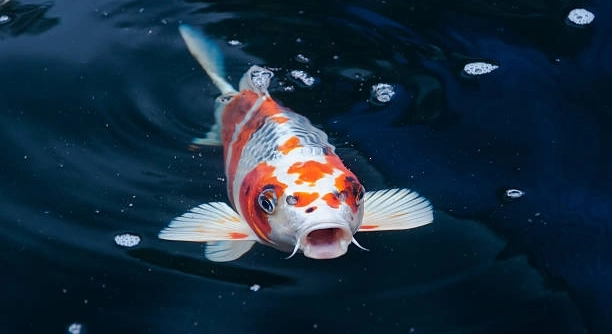
Do your koi fish seem uninterested when you introduce new companions into their pond or aquarium? This behavior might feel confusing, especially if everything else in the tank seems just right.
Koi fish may ignore new tankmates due to their calm temperament, social hierarchy, and limited need for immediate interaction. They are naturally cautious and may take time to assess new arrivals before fully engaging with them.
Understanding their behavior can help you create a more peaceful environment and set realistic expectations when adding new fish to their space.
Understanding Koi Behavior Around New Tankmates
Koi fish are naturally slow to respond to change, especially when it involves their social setting. These fish are known for their calm and observant nature, and when a new tankmate is introduced, they may choose to ignore rather than engage. This doesn’t mean they are being unfriendly or aggressive—it’s more about comfort and familiarity. Koi tend to form loose group bonds over time, and sudden introductions can feel overwhelming. They may take days or even weeks to acknowledge new arrivals. Temperature, tank size, and water conditions can also influence their willingness to interact. If they are stressed or the environment feels unfamiliar, they may retreat into their routines. Watching from a distance is often their way of adjusting. They prefer slow introductions and consistent surroundings. Giving them time is usually the best approach when you notice them keeping their distance from new tankmates.
Some koi simply need longer to adjust to new tankmates, especially if the newcomers are more active or different in size.
It helps to keep a close eye on their behavior during the first few days. Try not to move too many things around at once, as koi are sensitive to sudden environmental shifts. A peaceful tank matters.
Tips for Creating a Comfortable Tank Environment
A calm tank with stable water conditions makes a big difference for koi adjusting to new tankmates. Lowering stress helps them settle faster and encourages social interaction.
Make sure the tank or pond has enough space for all the fish. Overcrowding can lead to stress, which increases the chance that koi will keep to themselves. Introduce new fish slowly, ideally using a quarantine period to avoid disease and give your koi time to sense the change. Use hiding spots like plants or small rock features, so each fish has somewhere to retreat if needed. Stick to a feeding schedule, and don’t change too many variables at once. Also, check that the filtration system is strong enough to handle the increased load from the added fish. Water temperature, pH levels, and oxygen should remain steady. When these factors are stable, koi feel more secure, and this allows their natural curiosity to develop. In time, most koi will begin interacting with new arrivals, especially if they don’t feel threatened or crowded.
Signs Your Koi Are Adjusting
When koi start swimming near the new fish, even without direct contact, it’s a good sign. If they seem relaxed, continue eating, and follow their usual routines, they are likely feeling more comfortable with the change.
You might notice koi becoming more curious over time. They could follow the new tankmate from a distance, observe their movements, or slowly begin swimming in the same area. These subtle changes show that they are beginning to accept the new presence. Koi rarely rush into socializing, so patience is important. If they remain calm and show no signs of stress, like gasping or hiding excessively, then they are adapting well. Their colors may appear brighter too, which often means they feel safe. These small clues tell you that things are moving in the right direction, even if it doesn’t look like much is happening right away.
Sometimes koi show signs of adjustment through group behavior. If the original group stops excluding the new fish, and instead begins moving together in loose patterns, it’s a sign of social progress. You might also see the new fish gaining confidence, swimming freely without being chased or ignored. All of this points to growing comfort and balance in the tank.
When Things Don’t Go Smoothly
If your koi continue ignoring or avoiding the new fish after several weeks, something might be off. Stress, overcrowding, or incompatible fish behavior could be part of the reason. It’s important to observe closely without making sudden changes.
Look for signs like darting, hiding, not eating, or aggressive nipping—these are clear signals that the environment may not feel safe or comfortable. Double-check water parameters to make sure everything is stable. If the new fish are very different in size, color, or activity level, the koi might feel unsettled. Some fish just don’t mix well with koi due to behavior differences. Consider rearranging a few decorations or plants to break up territories and reduce tension. If nothing changes, a separation may be necessary. Some koi simply prefer a peaceful, predictable setting and may not adjust well to every type of fish. Understanding their limits helps you build a better space for everyone.
What to Avoid During Introductions
Avoid adding multiple new fish at once. It can overwhelm your koi and cause them to retreat or become stressed. Introducing one fish at a time gives them space to observe and adapt gradually.
Don’t change the tank layout too much during introductions. Koi find comfort in familiar surroundings. Sudden changes can make them anxious and delay the adjustment process. Keep things stable.
Best Time to Introduce New Fish
Introducing new fish when water temperatures are mild, usually during spring or early fall, helps ease the transition. Extreme heat or cold can increase stress and lower immunity. Make sure your koi have been healthy and stable for a few weeks before adding new fish. Use a quarantine tank for any new arrivals for at least two weeks. This protects both the newcomers and your current koi. After quarantine, use a slow, step-by-step process when moving the new fish to the main tank or pond. A floating container or mesh divider can help koi observe the newcomer without direct contact first.
Watching for Subtle Stress Signs
Keep an eye out for slower swimming, clamped fins, or reduced interest in food. These are quiet signals that your koi may not feel comfortable.
FAQ
How long does it usually take for koi to accept a new tankmate?
Most koi take anywhere from a few days to several weeks to get used to a new fish. The timing depends on the koi’s personality, the size of the tank, and how different the new fish is. If everything in the environment is stable and the introduction is done slowly, koi tend to adjust sooner. You may start seeing signs of acceptance, like swimming nearby or eating close together, by the end of the second week. If koi are still ignoring the new fish after a month, it’s worth reviewing the setup for any stress triggers.
Can koi become aggressive toward new fish?
Koi are usually peaceful, but they can sometimes nip or chase if the new fish invades their space or if the pond is too crowded. This behavior is often short-lived and settles as they get used to each other. If the aggression continues or if you notice injuries, it may be a sign that the fish are not compatible. Giving both fish hiding places and keeping feeding times calm can help reduce tension. Also, avoid mixing koi with fish that are too small, fast-moving, or overly territorial, as this can trigger unwanted behavior.
Is it okay to introduce koi to an established tank with smaller fish?
It depends on the type and size of the smaller fish. Koi can grow large and may accidentally harm much smaller tankmates, especially during feeding. Peaceful, medium-sized fish that swim in different zones of the tank usually work best. Avoid pairing koi with fin-nippers or very delicate species. Even if koi are not aggressive, their size and movement can stress out smaller fish. Always research compatibility first. Introduce new koi slowly, observe closely, and be ready to separate if things don’t go smoothly.
Do koi ever form bonds with other fish?
Koi are not strongly social like some other fish, but they do form loose group behaviors. You might see them swimming near certain tankmates more than others or resting in the same spot. These patterns show basic comfort, not deep attachment. Koi mostly interact during feeding times or when exploring. Their social behavior is subtle, but it does exist. Watching for repeated group movements is a good way to notice which fish they seem more comfortable with.
What if my koi hides all the time after I add a new fish?
If a koi hides for more than a few days, it’s a sign of stress. Double-check water temperature, pH, and ammonia levels first. Then review recent changes. If the new fish is very active or aggressive, your koi may feel unsafe. Providing more plants or structures for hiding can help. Reducing tank light or placing a divider temporarily can also make your koi feel more secure. Once it feels safe, it will slowly come back out and resume normal behavior.
How do I know the tank is too crowded for new fish?
A crowded tank often leads to more waste, cloudy water, and stressed fish. If your koi swim less, breathe faster, or fight over space, those are clear signs. You should also consider the filtration system—adding new fish increases the bio-load. Make sure the system can handle it. A good rule is to provide at least 250 gallons for a few adult koi, with more room needed for each additional fish. Always add fish slowly and watch how the tank responds over the next few days.
Is ignoring new fish better than being aggressive?
Yes. If your koi are ignoring the new fish, that’s a peaceful response. It means they don’t feel threatened or overly stressed. Ignoring is part of how koi adjust. They often need time to observe from a distance before they interact. Let them do so at their own pace. Forcing interactions or rearranging things too much can actually slow this process down. Patience is key when introducing any new fish to koi.
Final Thoughts
Adding new tankmates to a koi pond or aquarium can be a slow and careful process. Koi are calm fish that like stable surroundings, and they don’t always react right away to change. When a new fish is introduced, koi may simply ignore it at first. This is not a bad sign—it’s just how they handle new situations. Giving them time to watch, adjust, and feel safe is often all that’s needed. Rushing the process or making too many changes can cause stress and delay their comfort level. The more peaceful and consistent the environment, the better the outcome tends to be.
It’s helpful to watch your koi closely during the first few weeks after introducing a new fish. Small signs like swimming in the same area, eating normally, or showing curiosity from a distance mean things are moving in the right direction. Avoid sudden changes to the tank layout, lighting, or feeding routines during this time. Keeping things calm and predictable helps both the new fish and your koi feel at ease. Not every fish will be a perfect match, so it’s important to think about size, behavior, and water needs before making a decision. Some combinations may not work out, and that’s okay.
Patience is important when caring for koi. These fish have a gentle nature and don’t like to be rushed into new situations. Ignoring new tankmates is often just part of how they learn to accept changes. Over time, many koi will begin to include new fish in their loose group behavior. Others may continue to keep a bit of distance, and that’s normal too. What matters most is that all fish remain healthy, active, and stress-free. Watching their behavior and making small adjustments as needed will help you build a peaceful, balanced tank or pond. With a bit of care and attention, your koi can live happily alongside new tankmates.

Hello,
If you enjoy the content that we create, please consider saying a "Thank You!" by leaving a tip.
Every little bit helps us continue crafting quality advice that supports the health, happiness, and well-being of pets around the world, for pets of all shapes, sizes, and species.
We really appreciate the kindness and support that you show us!