
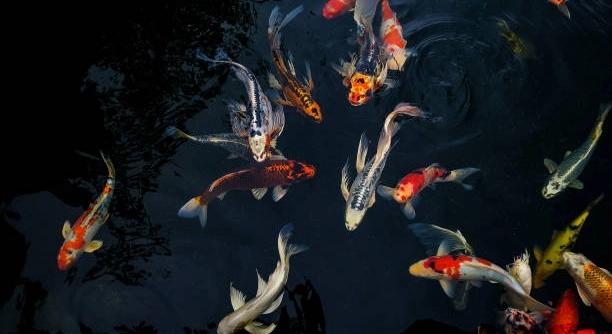
Have you noticed your koi pond looking a little off lately or your fish seeming less active than usual? Sometimes, it’s not the water quality or filtration—it might just be that your pond lacks enough plants.
Insufficient plant life in a koi pond can lead to poor water quality, reduced oxygen levels, and increased algae growth. Aquatic plants help maintain balance by filtering the water, providing shade, and offering shelter for fish and beneficial organisms.
Adding more greenery can make a big difference. These signs will help you figure out if your koi pond could benefit from a few extra plants.
Your Water Looks Murky or Green
A green or cloudy pond is one of the first signs that you need more aquatic plants. Algae blooms thrive in sunlight and nutrient-rich water, and without enough plants to compete for those nutrients, they take over. Floating plants like water lettuce or water hyacinth help block sunlight, while submerged options like anacharis or hornwort absorb excess nutrients. This balance keeps your water clearer. Adding a mix of plant types also supports natural filtration, which eases the load on your mechanical system. When your water turns green, it’s a signal your pond’s ecosystem needs more support from plant life.
If your water is hard to see through or has a strong smell, you’re likely short on plants.
Clearer water usually follows once plants are added. They shade the pond, take up extra nutrients, and slow algae growth. A murky pond often means your plant coverage is too low.
Your Koi Are Hiding Constantly
Koi need places to rest and feel safe. If you notice they’re always hiding under rocks or seem stressed, it could be because they don’t have enough cover. Plants like lilies and lotus offer surface protection from birds and shade from direct sun. These plants also help koi feel more secure, especially during warmer months when the sun is stronger. Stress from constant exposure can affect their appetite and behavior. By adding more floating and marginal plants, you create a more comfortable environment. Shade also cools the water, which benefits the fish during heatwaves. A well-planted pond gives koi space to explore and hide without stress.
When plants are missing, koi become more skittish. Without places to hide, they feel exposed.
Observing your fish’s behavior tells you a lot. If they dart away quickly or hover near the pond bottom for long periods, they may feel unsafe. This stress often relates to a lack of overhead cover. Adding broad-leaf floating plants or thick marginal growth around pond edges helps break line-of-sight and mimics a more natural environment. Koi feel secure when they have shaded areas and hiding spots. A balance of plant types—floating, submerged, and marginal—keeps koi active and healthy. Over time, they’ll become more visible and social as they adjust to feeling safer in their surroundings.
You’re Cleaning the Pond Too Often
If you find yourself needing to clean your pond more frequently, it may be a sign there aren’t enough plants to support a balanced environment. Proper plant coverage can reduce waste buildup and lower the need for constant maintenance.
Plants act as natural filters, taking in excess nutrients from fish waste, uneaten food, and decaying material. When there aren’t enough plants, this buildup increases, leading to dirty water and more debris. Instead of relying heavily on equipment or weekly cleanings, introducing more submerged and marginal plants allows the ecosystem to handle more of this load naturally. Plants like pickerel rush, water iris, and anacharis are good choices. They improve water clarity and reduce manual upkeep. When the pond is balanced, cleanings become less frequent and easier. A well-planted pond often requires only occasional skimming and seasonal debris removal, not weekly deep cleaning sessions.
Over-cleaning can also disrupt beneficial bacteria and harm your pond’s balance. Each time you scrub surfaces or change too much water, you risk eliminating the microorganisms that help break down waste. This creates a cycle of instability, making the pond even more reliant on you. By increasing plant life, you’re giving nature more tools to regulate the pond. Plants stabilize oxygen levels, provide shade, and support beneficial microbes. Over time, your pond becomes self-regulating. You’ll notice that algae slows down, debris settles less, and the water smells fresher. With fewer cleanings, you can focus more on enjoying the pond and less on constant upkeep.
Algae Returns Quickly After Treatment
If algae keeps coming back soon after you’ve cleaned it or used treatment, the pond likely lacks enough plant life. Treatments only address the surface of the problem, but plants offer a lasting solution through balance and nutrient control.
Algae thrives on light and nutrients. When a pond doesn’t have enough plant coverage, the sun reaches the water directly and fuels algae growth. Floating plants help by shading the surface and reducing sunlight. Submerged plants absorb extra nutrients before algae can use them. Treatments temporarily kill algae but don’t fix the reason it grows. As long as the water remains nutrient-rich and unshaded, algae will keep returning. Plants like water lettuce, hornwort, and duckweed outcompete algae by using the same resources more effectively. Adding more plants lowers your dependence on chemical treatments. In time, algae will slow naturally, and your pond will look healthier between cleanings.
Your Pond Heats Up Too Fast
If your pond warms up quickly during the day, it likely lacks enough shade from plants. Warm water holds less oxygen, which can stress koi and make the pond less comfortable during hot weather.
Floating plants help regulate temperature by blocking direct sunlight. More coverage keeps the water cooler throughout the day.
You See More String Algae Than Usual
String algae grows fast in warm, sunny, and nutrient-heavy water. Without enough plants to absorb those nutrients, algae takes over. It clings to rocks, plants, and edges, creating a mess that’s hard to clean. Once established, it spreads quickly and often returns even after removal. Adding more aquatic plants helps absorb the excess nutrients string algae thrives on. Submerged plants like anacharis or cabomba work well for this. Also, floaters like duckweed and water lettuce block light, slowing algae growth. With better coverage, the water becomes clearer and more stable. A well-planted pond creates less room for string algae to grow.
Oxygen Levels Seem Low
Low oxygen levels often point to an unbalanced pond. If koi are gasping at the surface or you see sluggish movement, there might not be enough plants producing oxygen during the day.
How many plants does a koi pond need?
The number of plants depends on the pond’s size and depth, but generally, plants should cover 50 to 70 percent of the water surface. This coverage helps maintain water quality, provide shade, and give koi places to hide. Too few plants can cause algae blooms and poor water conditions. It’s important to have a mix of floating, submerged, and marginal plants for balance. Floating plants block sunlight and reduce algae. Submerged plants oxygenate the water and absorb nutrients. Marginal plants grow along the edges, helping with filtration and providing shelter. Adjust the number of plants seasonally, since growth varies with temperature and sunlight.
Can I add too many plants to my koi pond?
Yes, overplanting can cause problems. Too many plants can reduce oxygen levels at night because plants consume oxygen after dark. This may stress koi, especially in small ponds or during hot weather. Thick plant mats can also trap debris and restrict water flow, which leads to stagnant areas. It’s important to strike a balance. Monitor your pond regularly and thin out plants if they become too dense. Ensure the pond has open water areas for koi to swim freely. Keeping the right mix of plants helps maintain oxygen and water circulation, supporting fish health.
Will plants keep my koi pond clean?
Plants improve water quality by absorbing nutrients, providing oxygen, and shading the pond to limit algae growth. However, they don’t replace regular maintenance. You still need to remove debris, check filters, and monitor water parameters. Plants reduce the workload by naturally filtering the water and creating a balanced environment. Submerged plants help reduce waste buildup, while floating plants block sunlight and prevent algae. Healthy plants support beneficial bacteria that break down harmful substances. While plants contribute greatly to pond health, a combination of natural and mechanical care is best for keeping your koi pond clean and clear.
What types of plants are best for koi ponds?
A mix of floating, submerged, and marginal plants works best. Floating plants like water lettuce and water hyacinth provide shade and reduce algae growth. Submerged plants such as anacharis and hornwort oxygenate the water and absorb nutrients. Marginal plants like pickerel rush, water iris, and cattails grow at the edges, helping filter water and providing shelter for koi. Each type serves a different purpose, so variety is important. Choose plants suited for your climate and pond conditions. Avoid invasive species, and be mindful that some plants can spread quickly and need regular trimming.
How do I introduce new plants to my koi pond?
Before adding new plants, inspect them for pests or diseases to avoid contamination. Rinse plants gently with pond water to remove debris. Place plants in appropriate locations—floating plants on the surface, submerged plants anchored to the bottom, and marginal plants near edges or shallow areas. Avoid disturbing koi too much during planting. Start with a small number and observe how the pond responds. Some plants may need pots or planting baskets to control growth. Regularly monitor new plants for health and growth to ensure they adjust well to the pond environment.
Can koi eat pond plants?
Koi sometimes nibble on soft or tender plants, especially if they are hungry or if other food is limited. Floating plants and some marginal plants are less likely to be eaten. Submerged plants with tougher leaves are often left alone. To protect delicate plants, use barriers or plant them in pots to limit koi access. Feeding koi a balanced diet reduces their need to eat pond plants. Over time, koi may learn which plants to avoid, but some grazing is normal and can help prevent plants from becoming overgrown.
How often should I trim plants in my koi pond?
Trimming depends on the plant type and growth rate. Fast-growing plants may need trimming every few weeks, especially during warm months. Remove dead or decaying leaves regularly to prevent water quality issues. Trimming floating plants prevents overcrowding and keeps sunlight balanced. Marginal plants benefit from seasonal pruning to maintain shape and encourage healthy growth. Submerged plants may need thinning if they grow too dense. Regular trimming promotes healthier plants, reduces debris buildup, and keeps the pond visually appealing. Monitoring growth helps you schedule maintenance effectively.
Will plants help reduce algae in my pond?
Yes, plants compete with algae for sunlight and nutrients, limiting algae growth. Floating plants shade the water surface, reducing sunlight algae need to thrive. Submerged plants absorb excess nutrients that algae feed on, making it harder for algae to multiply. Adding more plants creates a balanced ecosystem, naturally controlling algae. However, plants alone won’t eliminate algae if the pond has excess nutrients from overfeeding or poor filtration. Combining plants with good pond management practices is the best way to reduce algae and keep water clear.
Can plants survive in a koi pond year-round?
Some plants can survive year-round depending on the climate and pond conditions. Hardy marginal plants and certain submerged species can tolerate colder temperatures and frost. Floating plants usually die back in winter but regrow in spring. In colder regions, plants may go dormant and need protection from freezing. In milder climates, many plants grow continuously. It’s important to choose plants suited to your local climate and to remove or protect sensitive species during winter. Seasonal care helps maintain plant health and ensures they return strong each year.
Are plants safe for koi fish?
Most aquatic plants are safe for koi and actually benefit their health by improving water quality and providing shelter. However, avoid toxic plants like water hemlock or invasive species that can harm fish. Proper plant selection is key. Plants with sharp edges or spines should also be avoided as they can injure koi. When adding new plants, research their safety and watch how koi interact with them. Generally, healthy ponds with diverse plant life create a safer and more natural habitat for koi.
Final Thoughts
Maintaining a balanced koi pond requires attention to both water quality and plant life. Plants play a crucial role in keeping the pond healthy by absorbing excess nutrients, providing oxygen, and offering shade. They help control algae growth and create a comfortable environment for koi. When the pond lacks enough plants, problems such as algae blooms, low oxygen, and overheating can arise. Adding the right amount and variety of plants improves the overall condition and stability of the pond. It is important to monitor the pond regularly and adjust the number of plants as needed to maintain balance.
Selecting appropriate plants for your koi pond depends on your climate, pond size, and personal preferences. A mix of floating, submerged, and marginal plants provides multiple benefits, including nutrient absorption, shading, and shelter for fish. Some plants grow faster or require more care than others, so it’s useful to understand their growth patterns. Overplanting should be avoided because dense plant mats can reduce oxygen levels at night and limit water flow. Proper planting and trimming ensure the pond remains healthy and visually appealing. These small steps help maintain a sustainable habitat for koi fish.
Taking care of a koi pond with sufficient plants requires consistent effort but offers rewarding results. Plants not only improve water quality but also enhance the pond’s natural beauty. Regular maintenance, such as trimming and monitoring plant health, supports long-term balance and prevents common issues. Combining natural plant filtration with mechanical cleaning creates a cleaner and more stable environment for koi. Ultimately, a well-planted pond promotes the health and happiness of the fish while reducing the need for intensive care. Keeping an eye on plant growth and pond conditions ensures your koi pond remains a peaceful and thriving space.

Hello,
If you enjoy the content that we create, please consider saying a "Thank You!" by leaving a tip.
Every little bit helps us continue crafting quality advice that supports the health, happiness, and well-being of pets around the world, for pets of all shapes, sizes, and species.
We really appreciate the kindness and support that you show us!