
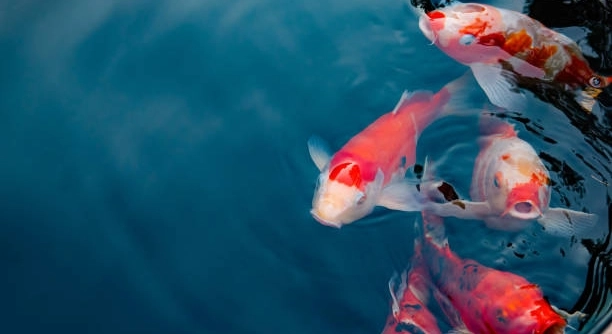
Are your koi fish struggling to stay comfortable during the hottest days of the year? Heatwaves can put their health at risk, especially when water conditions start to change too quickly in the sun.
To keep koi fish safe during heatwaves, maintain proper oxygen levels, provide shaded areas, and avoid overfeeding. Regularly monitoring water temperature and quality is essential, as extreme heat can cause stress, illness, and even death in koi.
By learning how heat affects your pond and making a few small changes, you can keep your koi healthy all summer long.
Recognizing the Risks of Extreme Heat
When temperatures rise quickly, koi ponds can become dangerous. Warm water holds less oxygen, which makes it harder for koi to breathe. High temperatures also speed up algae growth and can cause ammonia levels to spike. These changes stress the fish, making them more likely to get sick. You might notice your koi gasping at the surface or gathering near water features where oxygen levels are higher. In extreme cases, you could lose fish if the pond becomes too hot. Recognizing these warning signs early is key to keeping your koi safe and healthy.
Koi thrive best in water between 65°F and 75°F. Anything above 80°F for a prolonged time can cause serious problems, especially if shade and aeration are lacking.
Use a reliable pond thermometer to monitor temperature shifts. If the water warms up too quickly, act fast by adding shade or aerating the pond more frequently to protect your fish.
Cooling the Pond Effectively
Shading your pond helps keep the temperature stable. Floating plants, shade cloths, and nearby trees can all help block direct sunlight. Aerators and waterfalls keep the water moving and oxygen-rich, which is especially important in the heat.
Avoid adding cold tap water all at once, as sudden temperature shifts can shock your fish. Instead, do small, partial water changes early in the morning or late in the evening when it’s cooler. Try to maintain good water quality by checking pH, ammonia, and oxygen levels more often during heatwaves. Feeding should also be reduced, since koi digest food slower in hot weather, and uneaten food can affect the pond’s balance. Plan ahead for heat by setting up shade and aeration systems early in the season. These steps make a big difference in keeping your koi healthy, especially when the summer heat becomes more intense than expected.
Monitoring Oxygen and Water Quality
Low oxygen is common during heatwaves. Warmer water can’t hold as much oxygen, especially overnight. Use an air pump or fountain to keep the water moving and well-aerated to avoid dangerous drops.
Test oxygen levels regularly with a pond test kit, especially in the early morning when levels are lowest. If your fish are gasping or gathering near moving water, it’s a sign the oxygen is too low. Add or upgrade your aeration system if needed. Avoid overfeeding during hot weather, since uneaten food decays quickly and lowers oxygen even more. Skim out debris daily to reduce waste buildup. You should also monitor ammonia and pH more often, as higher temperatures can throw off the balance and stress your fish. Healthy water quality is the first step in preventing heat-related issues, so consistent testing and adjustments matter more than ever during summer heatwaves.
Try to limit chemical treatments unless absolutely necessary. Many medications reduce oxygen levels, which can be dangerous in already warm water. Always read labels and consider waiting for cooler days if treatment can be safely delayed. Stick to partial water changes with dechlorinated water, and avoid stirring up sediment when cleaning the pond. Simple maintenance can go a long way in keeping koi safe.
Adjusting Feeding Habits
During hot weather, koi fish eat less and digest food more slowly. Overfeeding can pollute the water quickly and lower oxygen levels. Offer smaller portions once a day and remove any uneaten food within five minutes.
Use easily digestible food made for summer feeding. These formulas reduce waste and help keep your water cleaner. Avoid feeding during the hottest part of the day when oxygen is at its lowest.
Creating Safe Areas in the Pond
Add floating plants like water lettuce or lily pads to provide shade and cooler spots for your koi. These plants block sunlight and help regulate temperature. You can also use shade sails or umbrellas for extra coverage. Deeper pond sections also offer cooler water where koi can retreat. Having a mix of shade and depth keeps stress levels lower and reduces the risk of overheating. Make sure the shaded areas have proper water flow so oxygen levels stay balanced. Creating these safe zones makes it easier for koi to cope with high temperatures and stay calm during extreme heat.
Watching for Signs of Stress
Watch for changes like rapid gill movement, listlessness, or gathering near water features. These are signs your koi may be struggling with the heat. Early action can prevent serious health problems.
FAQ
How hot is too hot for koi fish?
Koi begin to experience stress when water temperatures rise above 80°F (27°C). If the temperature goes beyond 85°F (29°C), oxygen levels drop sharply, and koi are at risk of heat-related illness. Anything over 90°F (32°C) can be life-threatening, especially if there is poor water circulation or no shade. It’s important to monitor water temperature daily with a reliable thermometer during the summer. Deep ponds, good aeration, and plenty of shaded areas can help reduce the impact of extreme heat and keep water temperatures within a safe range for koi.
What are the signs of heat stress in koi?
When koi are stressed by high temperatures, you may see them gasping at the surface or gathering near waterfalls and air stones. They might swim slowly, stop eating, or stay near the bottom. Rapid gill movement, faded colors, or clamped fins are also signs. If the pond water becomes cloudy or foul-smelling, it’s likely that water quality has worsened due to the heat. These signs mean you need to act quickly—add shade, increase aeration, and check the water parameters right away. Heat stress can lead to illness or death if not addressed promptly.
Should I change the water more often during heatwaves?
Yes, but do it carefully. During heatwaves, partial water changes help lower toxins and improve oxygen levels. However, avoid adding large amounts of cold tap water suddenly, as it can shock your koi. Change 10–20% of the water early in the morning or late in the evening when it’s cooler. Always dechlorinate tap water before adding it to the pond. Frequent, small changes are safer and more effective than big ones. Regular water testing should guide how often changes are needed. Keep an eye on ammonia, nitrite, and pH levels to decide when it’s time.
Can I use ice to cool down my koi pond?
It’s not recommended. Adding ice directly to the pond causes sudden temperature changes that can shock or stress koi. If the water is dangerously warm and you need to cool it down fast, use frozen bottles of dechlorinated water instead of dumping ice directly. Even then, do it gradually and monitor the temperature. The safest method is to prevent overheating by adding shade and increasing aeration. Large water changes with cool, dechlorinated water done slowly can also help reduce the temperature without shocking the fish.
What’s the best way to add shade to my pond?
Floating plants like water lilies and water hyacinths are a natural option. Shade cloths, umbrellas, or temporary canopies are also helpful, especially during peak heat. Choose something that blocks direct sunlight but still allows airflow. Make sure your filtration and aeration systems can handle the reduced light and plant debris. Shading at least one-third of the pond can keep temperatures stable and help koi find relief during hot spells. Combining different shade sources works well for ponds that are exposed to sunlight all day.
How often should I feed koi in high heat?
Once a day is enough, and only in small amounts. Koi have slower digestion in warmer water and can quickly become sick from uneaten food. Use a high-quality summer feed that is easy to digest. Feed during the cooler parts of the day—early morning or evening—when oxygen levels are higher. Watch your koi to make sure they’re eating everything within five minutes. If not, remove any leftovers right away. Reducing feeding helps maintain water quality and keeps the pond from becoming polluted during hot weather.
Can koi recover from heat stress?
Yes, but only if the problem is caught early. Once you reduce the temperature and improve water conditions, koi often bounce back within a few days. Keep the pond well-aerated, provide shaded areas, and monitor water quality closely. Avoid handling or moving them unless necessary, since stress can slow recovery. If they stop eating for a few days, that’s normal—they’ll resume once they feel better. If signs of illness appear, such as ulcers, fin rot, or lethargy that doesn’t improve, it may be time to contact a vet who specializes in fish.
Final Thoughts
Keeping koi fish safe during a heatwave takes extra attention, but it is possible with the right steps. High temperatures can affect both their behavior and health, making it important to stay alert to changes in your pond. Shading the water, improving aeration, and checking water quality regularly are all helpful ways to prevent problems before they start. Small daily habits—like feeding less, monitoring temperature, and watching for signs of stress—can make a big difference when the weather gets hot.
While koi are hardy fish, they still rely on a stable environment to stay healthy. Water that heats up too fast or stays warm for too long can lower oxygen levels, raise toxins, and cause stress. Even if your pond looks fine on the surface, it’s the invisible changes—like rising ammonia or dropping oxygen—that can lead to illness. That’s why testing the water and making small, steady adjustments are better than sudden fixes. Planning ahead during the warmer months helps protect your fish and makes it easier to manage future heatwaves.
Each pond is a little different, so you may need to adjust based on its size, depth, and sun exposure. Still, the basic idea remains the same—give your koi a cooler, stable place to live when temperatures climb. By watching the weather, checking your equipment, and making thoughtful changes, you can keep your koi safe and calm through the hottest days. These small actions build better habits over time, giving your koi a strong chance to thrive even when summer heat becomes extreme.

Hello,
If you enjoy the content that we create, please consider saying a "Thank You!" by leaving a tip.
Every little bit helps us continue crafting quality advice that supports the health, happiness, and well-being of pets around the world, for pets of all shapes, sizes, and species.
We really appreciate the kindness and support that you show us!