
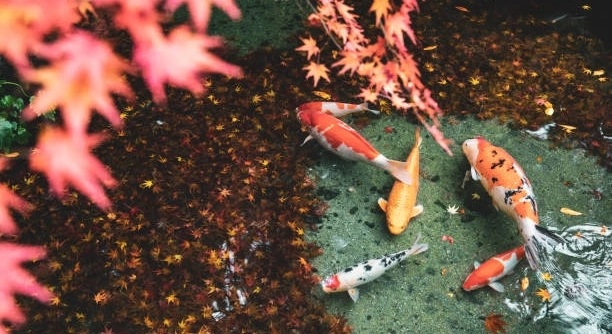
Koi fish are popular pond pets known for their bright colors and graceful swimming. Sometimes, these fish swim upside down, which can be surprising for owners. Understanding why this happens is important for their care and health.
Koi fish swimming upside down often indicate health or environmental issues. Common causes include swim bladder problems, water quality concerns, infections, or injuries that affect their balance and buoyancy control. Addressing these factors helps restore normal swimming behavior.
Knowing the reasons behind this unusual swimming can help you take the right steps to keep your koi healthy and happy in their environment.
Swim Bladder Issues
Swim bladder problems are a common reason koi fish swim upside down. The swim bladder is an internal organ that helps fish control their buoyancy, allowing them to stay balanced and move easily in water. When the swim bladder is damaged or inflamed, koi may struggle to maintain their normal swimming position. This can happen due to infections, physical injury, or even poor diet. Overfeeding or feeding inappropriate foods may cause digestive issues that affect the swim bladder. If you notice your koi swimming upside down, it is important to check for other signs of illness, like lethargy or loss of appetite. Water quality and temperature changes can also contribute to swim bladder stress. Taking care of these factors early helps prevent long-term problems and keeps your koi comfortable in their pond.
Swim bladder problems often require treatment, which can include adjusting diet or water conditions.
Proper diagnosis by a vet is useful for serious cases. Understanding this condition is key to keeping koi swimming normally.
Water Quality and Environmental Factors
Poor water quality is another major reason koi might swim upside down. When ammonia, nitrites, or nitrates build up in the pond, the water becomes toxic to fish. This can cause stress and make it hard for koi to swim properly. Low oxygen levels, temperature fluctuations, and strong currents can also affect their balance. Regular water testing and maintenance are necessary to keep the environment safe. Removing debris, changing water, and using filters can improve water quality.
Koi living in dirty or unstable water conditions are more likely to show abnormal behaviors.
Maintaining a clean pond with stable conditions is one of the best ways to prevent upside-down swimming. Checking your pond’s water weekly can catch problems before they get worse. Even small changes in temperature or chemical levels can impact your fish’s health. Providing plenty of oxygen and avoiding overcrowding helps them stay healthy and balanced. If you notice upside-down swimming, testing water is a quick first step to identify if the environment is causing the issue. Good water quality supports koi’s overall well-being and reduces stress that may lead to swimming problems.
Infections and Parasites
Infections and parasites can interfere with koi’s ability to swim normally. Bacterial infections or parasites can affect internal organs, including those controlling buoyancy. These health problems often cause koi to act weak or swim abnormally, including upside down. Watching for other signs such as spots, sores, or changes in behavior is important. Prompt treatment with medications or veterinary care can help clear infections and restore normal swimming.
Parasites and infections weaken koi and disrupt their balance.
Addressing these health issues quickly improves chances for recovery and prevents spread to other fish. Maintaining good pond hygiene helps reduce risk.
Injury or Physical Trauma
Injuries from accidents or fights with other fish may cause koi to swim upside down. Damage to fins, spine, or internal organs can affect their movement and balance. Injured koi may show visible signs like torn fins or wounds. Keeping the pond safe by avoiding sharp objects and limiting aggressive fish reduces injury risk. Providing a calm environment supports healing.
Koi with physical trauma often struggle with normal swimming patterns.
Observing koi daily helps catch injuries early. If a fish swims upside down after an accident, isolating it and providing care can improve recovery. Some injuries may require veterinary attention. Preventing harm is the best way to avoid upside-down swimming caused by trauma.
Stress and Overcrowding
Stress and overcrowding are common problems in koi ponds that affect fish behavior. Too many koi in a small space can lead to competition for food and oxygen. Stress weakens their immune systems, making them more susceptible to illness and abnormal swimming. Loud noises, sudden movements, or changes in environment also add stress. Ensuring enough space and maintaining a quiet pond helps koi stay calm.
Stress affects koi balance and swimming ability.
Keeping the pond environment stable and peaceful reduces stress-related upside-down swimming. Proper stocking levels and hiding places improve fish comfort and health.
Poor Nutrition
A poor diet can lead to health problems that make koi swim upside down. Feeding koi unbalanced food lacking essential nutrients weakens their bodies. Overfeeding can cause constipation and digestive issues, impacting their swim bladder. Providing a varied, high-quality diet supports good health and normal swimming. Avoid feeding too many treats or inappropriate foods.
Bad nutrition harms koi’s buoyancy and energy levels.
Balanced feeding routines prevent many problems linked to upside-down swimming. Knowing what and how much to feed your koi ensures they get proper care.
Temperature Changes
Sudden temperature changes can disturb koi’s balance and swimming. Cold water slows their metabolism and movement, while rapid warming can stress their system. Both conditions may cause koi to swim upside down temporarily. Keeping the pond temperature stable is important, especially during seasonal shifts. Using pond heaters or shade can help regulate temperature.
Temperature fluctuations impact koi swimming behavior.
Stable water temperatures keep koi comfortable and prevent stress-related problems. Monitoring temperature regularly helps avoid sudden changes that affect their health.
Treatment Options
Treating koi that swim upside down depends on the cause. Adjusting water quality, fixing diet, or giving medication can all help. Sometimes, a vet’s advice is necessary.
If swim bladder issues are mild, fasting the fish for a day or two can relieve pressure. Feeding peas, which act as natural laxatives, often helps digestion problems. Improving water quality by changing water or adding aeration reduces stress on the fish. For infections or parasites, antibiotics or antiparasitic treatments may be needed. Always follow instructions carefully when using medications.
In cases of injury, isolating the koi in a separate tank helps prevent further harm and allows monitoring. Keeping the environment calm and clean supports healing. If the problem persists, consulting a fish health professional ensures the best treatment. Prompt care improves the chances of your koi returning to normal swimming.
Preventive Measures
Keeping koi healthy and avoiding upside-down swimming involves several important steps. Maintaining clean water, feeding a balanced diet, and managing pond conditions are essential.
Regularly testing water for ammonia, nitrites, nitrates, and pH helps catch problems early. Avoid overfeeding by giving measured amounts, and use high-quality koi food to meet nutritional needs. Keeping the pond well-aerated and free from debris supports good oxygen levels. Managing stocking density prevents overcrowding and reduces stress. Avoid sudden temperature shifts by shading the pond or using heaters during cold months. Routine health checks can catch illnesses before they affect swimming behavior.
With these preventive actions, you help your koi stay balanced and active. Consistent care reduces the chance of issues causing upside-down swimming. Healthy koi are happier koi.
Monitoring Your Koi
Regular observation is key to catching problems early. Watch for any changes in swimming, eating, or appearance.
Keeping a simple log of behavior and water tests can help track your koi’s health over time.
Signs to Watch For
Look for unusual swimming patterns like floating upside down or listing to one side. Also, check for clamped fins, lethargy, or loss of appetite. These signs often indicate underlying health issues needing attention.
When to Seek Professional Help
If your koi swim upside down for several days or show worsening symptoms, it’s time to consult a fish health expert. Persistent problems may need diagnosis and treatment beyond basic care.
Supporting Recovery
Providing a calm, clean environment and proper nutrition helps your koi heal. Avoid stressing them with sudden changes or rough handling.
FAQ
Why is my koi fish swimming upside down suddenly?
Sudden upside-down swimming often points to a swim bladder problem, poor water quality, or stress. It can also be caused by infections or physical injury. Checking water parameters and observing other symptoms can help identify the issue. Early action can prevent the problem from worsening.
Can koi fish swim upside down and still recover?
Yes, many koi recover from upside-down swimming if the cause is treated promptly. Proper care, water changes, diet adjustments, and medication when needed improve their chances. Recovery depends on how quickly the problem is noticed and managed.
How do I fix swim bladder issues in koi?
To help swim bladder problems, you can fast your koi for 24-48 hours, then feed peeled, cooked peas to ease digestion. Improving water quality and avoiding overfeeding also help. If symptoms continue, veterinary advice may be necessary.
Is water temperature linked to upside-down swimming?
Yes, sudden changes in water temperature can stress koi and affect their buoyancy. Cold water slows metabolism, and rapid shifts may confuse their balance. Keeping the pond stable and using heaters or shade when needed prevents this.
Can infections cause koi to swim upside down?
Infections can affect koi organs responsible for balance and buoyancy. Bacterial or parasitic infections often lead to abnormal swimming. Treatment with appropriate antibiotics or antiparasitic medications usually helps once the infection is diagnosed.
How often should I test pond water to avoid koi problems?
Testing water weekly is ideal to maintain good conditions. Regular checks for ammonia, nitrites, nitrates, pH, and oxygen levels help spot issues early. Keeping water clean and balanced supports koi health and prevents swimming problems.
What foods should I avoid to prevent koi swimming upside down?
Avoid overfeeding and feeding poor-quality or inappropriate foods. Bread, processed snacks, or excessive treats can cause digestive problems affecting buoyancy. Stick to high-quality koi pellets and occasional vegetables like peas for better digestion.
When should I isolate a koi swimming upside down?
If your koi swims upside down and shows other signs like lethargy, sores, or injury, isolating it in a quarantine tank helps monitor and treat it without stress from other fish. This also prevents spreading diseases.
Can stress from overcrowding cause swimming issues?
Yes, overcrowding causes stress due to competition for food and oxygen. Stressed koi are more vulnerable to illness and may swim abnormally. Keeping appropriate stocking levels and providing hiding spots reduces stress.
How long does it take for koi to recover from upside-down swimming?
Recovery time varies depending on cause and treatment. Minor swim bladder issues may improve within days, while infections or injuries could take weeks. Patience and proper care are essential for healing.
Are there natural remedies to help koi with swim bladder problems?
Feeding cooked peas is a simple natural remedy that can relieve constipation and swim bladder pressure. Improving pond conditions and reducing stress also aid recovery. However, persistent problems need professional care.
Can water hardness or pH affect koi swimming?
Extreme pH or hardness levels can stress koi and disrupt their balance. Keeping pH between 6.8 and 8.2 and moderate hardness supports health. Testing and adjusting water chemistry helps prevent swimming problems.
What signs indicate a serious problem beyond upside-down swimming?
If your koi shows rapid breathing, red streaks, open sores, or refuses to eat along with upside-down swimming, these indicate serious illness. Immediate veterinary attention is recommended in such cases.
How can I prevent koi injuries that cause swimming issues?
Remove sharp objects from the pond, avoid aggressive fish, and provide enough space to reduce fights. Safe, calm environments lower the risk of injuries affecting swimming behavior.
Is it normal for koi to swim upside down occasionally?
Occasional brief upside-down swimming can happen but is usually harmless. Persistent or frequent upside-down swimming is a sign something is wrong and should be addressed promptly.
Koi fish swimming upside down is a sign that something may not be quite right. It is important to remember that this behavior is often related to health or environmental issues. Common causes include swim bladder problems, poor water quality, infections, or injuries. Addressing these causes quickly helps prevent more serious problems and keeps your koi comfortable. Regular care and observation are essential parts of ensuring your fish stay healthy and swim normally.
Taking care of the pond environment plays a big role in preventing upside-down swimming. Clean water with stable temperature and balanced chemicals helps koi maintain good health. Overfeeding or feeding the wrong foods can lead to digestive problems, which also affect swimming. By providing a balanced diet and avoiding overcrowding, you reduce stress on your fish. Stress weakens koi and makes them more prone to illness and abnormal swimming behaviors. Paying attention to these details helps create a healthy space where your koi can thrive.
If you notice your koi swimming upside down, it’s important to act quickly. Check the water quality and temperature, observe your fish for other signs of illness, and adjust feeding habits. Sometimes simple changes, like fasting for a day or feeding peas, can help. In more serious cases, veterinary care may be needed. Isolating affected fish can prevent the spread of disease and provide a calm place for recovery. Overall, consistent care, good environment, and attention to your koi’s behavior will help keep them happy and swimming right side up.

Hello,
If you enjoy the content that we create, please consider saying a "Thank You!" by leaving a tip.
Every little bit helps us continue crafting quality advice that supports the health, happiness, and well-being of pets around the world, for pets of all shapes, sizes, and species.
We really appreciate the kindness and support that you show us!