
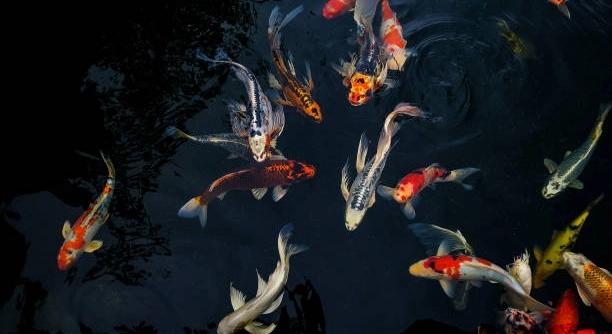
Keeping koi fish safe from raccoons is a concern for many pond owners. These clever animals often target koi ponds, posing a risk to the fish. Protecting your koi requires understanding raccoon behavior and pond vulnerabilities.
The best way to keep koi safe from raccoons is by combining physical barriers, such as secure pond covers or fences, with deterrents like motion-activated lights and noise devices. Regular maintenance and removing food attractants also reduce raccoon visits.
Learning simple but effective protective measures can greatly improve the safety of your koi pond. Taking these steps ensures your fish remain healthy and unharmed by raccoons.
Understanding Raccoon Behavior Around Ponds
Raccoons are intelligent and adaptable animals. They are mostly active at night, searching for easy food sources. Koi ponds offer an inviting spot because raccoons are attracted to the movement and sounds of fish. They use their dexterous paws to catch koi, sometimes causing serious injury or stress to the fish. Raccoons often visit multiple ponds in one night if food is available. It’s important to know that raccoons are also good swimmers, so ponds without barriers are especially vulnerable. They tend to test different entry points, so even small gaps in fencing can be an invitation. Keeping the area clean and free of food scraps or trash can help discourage their visits. Understanding these habits can guide how you protect your pond effectively.
Raccoons are mainly nocturnal and rely on their sense of touch to catch prey, making koi ponds an easy target.
Knowing how raccoons behave helps you plan defenses that reduce risk and protect your fish all night long.
Effective Physical Barriers to Protect Your Pond
Installing physical barriers is one of the most reliable ways to keep raccoons away. Pond covers made of strong netting or wire mesh can prevent raccoons from reaching the water and fish. Make sure the cover fits tightly and has no gaps where raccoons could squeeze through. Fencing around the pond area should be at least four feet high and buried a few inches underground to stop digging. Some pond owners also use motion-activated sprinklers, which startle raccoons when they approach. Combining barriers with good landscaping practices, such as trimming nearby bushes, removes hiding spots and makes the area less inviting. Regularly inspect barriers for wear or damage, especially after storms, to maintain their effectiveness. By keeping a secure perimeter, raccoons are much less likely to succeed in catching koi or disturbing the pond environment.
Using Deterrents to Keep Raccoons Away
Motion-activated lights and noise devices can discourage raccoons from approaching your pond. These deterrents startle them and reduce their comfort in the area.
Motion-activated lights work by suddenly illuminating the pond area when raccoons come near. The unexpected brightness often scares them off quickly. Similarly, noise devices emit sounds that raccoons find disturbing, such as ultrasonic or intermittent alarms. These tools are most effective when combined with physical barriers because raccoons can get used to a single deterrent over time. Changing the placement or type of deterrent occasionally helps maintain their effectiveness. It’s also important to keep the devices working properly, checking batteries or connections regularly.
Besides lights and sounds, some pond owners use natural repellents like strong-smelling plants or commercial sprays. While these are less reliable on their own, they add another layer of protection when used with other methods. Multiple deterrents increase the chances that raccoons will avoid your koi pond entirely.
Keeping the Pond Environment Less Attractive
Raccoons are attracted to food sources near the pond, including leftover fish food or fallen fruits. Removing these reduces raccoon interest.
Keep your pond area clean by promptly removing any uneaten fish food from the water surface or surrounding area. Avoid feeding koi in the evening since leftover food at night draws raccoons. Secure trash bins and compost piles away from the pond to prevent raccoons from sniffing out easy meals nearby. Regularly rake up fallen fruits, nuts, or seeds from nearby trees that raccoons might use as snacks. A tidy pond environment removes temptations and makes your koi less likely to attract unwanted visitors. These simple habits greatly reduce the chance of raccoons targeting your pond.
Securing Pond Lighting
Proper lighting can help keep raccoons away by making the pond area less inviting at night. Bright lights reduce shadows where raccoons hide and make it harder for them to approach unnoticed.
Using timers or motion sensors ensures the lights activate only when needed, saving energy and increasing effectiveness. Strategically placed lighting covers all sides of the pond.
Choosing Raccoon-Resistant Plants
Certain plants deter raccoons naturally. Thorny or strong-smelling plants like lavender, rosemary, or thorny bushes near the pond can discourage raccoons from coming close without harming your koi.
These plants create a natural barrier while enhancing your pond’s beauty. Their scents and textures make the area less comfortable for raccoons to explore.
Regular Pond Maintenance
Regular pond cleaning removes debris and food buildup, which can attract raccoons. Keeping water clear and the pond environment tidy reduces their interest.
A well-maintained pond supports koi health and lowers the chance of raccoons visiting frequently.
FAQ
How can I tell if raccoons are visiting my koi pond?
Signs of raccoon visits include disturbed water, paw prints around the pond, and missing or injured fish. You might also notice overturned stones, scattered debris, or torn netting. Raccoons often leave small droppings near the pond edges. Checking for these signs regularly can help you catch problems early before serious damage occurs.
What kind of pond cover is best to keep raccoons out?
A strong wire mesh or heavy-duty netting designed for outdoor use works best. The cover should fit tightly over the pond and be secured so raccoons can’t lift or push it aside. Avoid thin plastic or loose covers because raccoons can tear or remove them easily. Covers with small openings prevent raccoons from reaching through but still allow air and sunlight.
Are motion-activated sprinklers effective against raccoons?
Yes, motion-activated sprinklers are very effective. They spray water suddenly when they detect movement, startling raccoons and encouraging them to leave. This method is safe, humane, and doesn’t harm your koi. Sprinklers work best when used with other deterrents like lighting or fencing for consistent protection.
Can raccoons climb fences, and how can I prevent this?
Raccoons are excellent climbers. To prevent climbing, use a fence at least four feet high and add an outward-angled overhang at the top. You can also install smooth metal or plastic flashing around the fence to make climbing difficult. Burying the fence a few inches underground helps prevent digging under it.
Will natural repellents keep raccoons away?
Natural repellents like strong-smelling plants, garlic sprays, or commercial animal repellents can help but usually aren’t enough alone. Raccoons may get used to these smells over time. Combining repellents with physical barriers and deterrents offers better protection. Repellents work best as part of a broader strategy.
Is it safe to use traps to catch raccoons near my pond?
Live traps are sometimes used but require caution and local permits. Trapping and relocating raccoons can be stressful for the animals and may be illegal in some areas. It’s often better to use prevention methods like barriers and deterrents. If trapping is necessary, consult local wildlife authorities or professionals.
How often should I check my pond’s protective measures?
Check barriers, covers, and deterrents at least once a week, especially after bad weather. Look for damage, wear, or gaps where raccoons could enter. Regular maintenance ensures your defenses stay strong and effective, reducing the risk of surprise visits or fish harm.
Can raccoons harm koi fish besides catching them?
Yes, raccoons can stress koi by disturbing the water and chasing fish, which affects their health. Injuries from scratches or bites can lead to infections. Even unsuccessful attacks can cause koi to hide and stop eating, which weakens them over time. Preventing raccoon access helps keep koi calm and healthy.
Are there specific times when raccoons are most active around ponds?
Raccoons are mostly nocturnal and tend to be active from dusk until dawn. They prefer to hunt and forage at night to avoid humans. This means your koi pond is most at risk during the late evening and early morning hours, so nighttime deterrents and lighting are especially important.
What else can I do to make my yard less attractive to raccoons?
Remove food sources like pet food left outside, open compost bins, and unsecured trash cans. Trim dense bushes or tree branches near the pond that offer hiding places. Clearing clutter and debris also reduces shelter spots. The less attractive your yard is, the less likely raccoons will visit or stay nearby.
Protecting your koi from raccoons takes some effort, but it is worth it to keep your fish safe and healthy. Raccoons are smart and persistent, so relying on just one method often isn’t enough. Using a combination of barriers, deterrents, and good pond care will make the biggest difference. A strong fence or pond cover keeps raccoons physically away, while lights, sprinklers, and noise devices make your pond less inviting. Regular maintenance and keeping the area clean also help prevent raccoons from being attracted to your pond in the first place.
It is important to stay consistent with your efforts. Check your pond’s defenses often to make sure everything is in good shape. Small gaps in fencing or damaged covers can allow raccoons easy access. Replacing batteries in deterrent devices or adjusting lights may be needed over time to keep them working well. Raccoons learn and adapt, so changing your approach slightly every now and then keeps them guessing. Also, removing leftover fish food and securing trash bins reduces food sources that attract raccoons nearby. These small but steady habits protect your koi and reduce stress for both you and the fish.
In the end, protecting your koi pond from raccoons is about creating a safe, calm environment for your fish. The right mix of physical barriers and deterrents makes raccoons less likely to visit or succeed if they do. Regular care and attention ensure your pond stays a peaceful place for koi to thrive. While raccoons are a natural part of the neighborhood, you can live alongside them without putting your fish at risk. By taking these steps, you help your koi live longer and healthier lives, making your pond a beautiful and enjoyable space.

Hello,
If you enjoy the content that we create, please consider saying a "Thank You!" by leaving a tip.
Every little bit helps us continue crafting quality advice that supports the health, happiness, and well-being of pets around the world, for pets of all shapes, sizes, and species.
We really appreciate the kindness and support that you show us!