
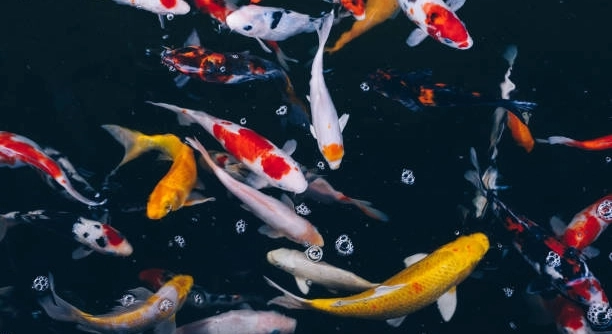
Koi are popular pond fish that bring beauty and life to outdoor spaces. Maintaining a healthy environment is essential for their well-being and longevity. Overcrowding can happen easily, especially in smaller ponds with many fish.
Overcrowding koi leads to increased stress, poor water quality, and higher risks of disease. Limited space restricts their growth and movement, resulting in weakened immune systems and potential mortality. Proper stocking density is crucial for maintaining a balanced aquatic habitat.
Understanding the effects of overcrowding helps ensure koi thrive and remain healthy in any pond setting. This article will provide clear information on managing fish populations effectively.
Causes of Overcrowding in Koi Ponds
Overcrowding in koi ponds usually occurs when the pond size does not match the number of fish stocked. Many people add more koi over time without considering the space requirements. Koi grow quite large, and their needs increase as they mature. When ponds are too small, or filtration systems are inadequate, water quality quickly deteriorates. Excess fish produce more waste, which can overwhelm biological filters and lead to harmful ammonia and nitrite levels. Overfeeding and poor maintenance also contribute to poor water conditions, further stressing the fish. Keeping koi in appropriate numbers relative to pond volume is essential to avoid these problems and to support a healthy environment.
Proper planning includes knowing the pond’s volume, filtering capacity, and koi growth potential. Avoid adding fish impulsively and regularly check water parameters. This attention will prevent overcrowding and maintain balance.
Careful pond management and regular maintenance reduce stress and disease risks linked to overcrowding, ensuring koi live longer and healthier lives.
Signs That Your Koi Are Overcrowded
Signs of overcrowding include sluggish swimming, frequent gasping at the surface, and increased aggression among fish. Poor water clarity and algae overgrowth also indicate stress.
Behavioral changes like hiding or rubbing against objects show discomfort. Overcrowded koi may lose appetite and have weakened colors. Regular observation helps catch these signs early.
Monitoring fish behavior and water quality will help you identify overcrowding before it causes serious harm. Addressing these signs promptly improves the pond’s environment and the fish’s overall health.
Effects of Overcrowding on Water Quality
Overcrowding causes waste to build up quickly, which harms water quality. Ammonia and nitrite levels rise, stressing koi and making the pond unsafe.
Poor water quality results in oxygen depletion and toxic conditions for fish. Excess waste leads to cloudy water and algae blooms. Filtration systems can struggle to keep up, causing rapid shifts in water chemistry. This environment weakens koi immune systems and increases disease risks. Maintaining proper fish density and regular cleaning helps prevent water quality issues and supports healthier koi.
Keeping water balanced requires monitoring and adjusting fish numbers, feeding habits, and filtration to ensure a stable environment.
Health Risks Linked to Overcrowding
Koi under stress from overcrowding are more vulnerable to infections and parasites. Their immune systems weaken, increasing chances of illness.
Common problems include fin rot, ulcers, and bacterial infections. Parasites thrive in crowded ponds, spreading quickly. Injuries from competition or aggression become more frequent. Stress also reduces koi’s ability to heal and fight disease, leading to higher mortality rates. Preventing overcrowding lowers these health risks and supports natural fish behavior.
Regular water tests and proper stocking densities are vital for reducing illness and maintaining koi health. Healthy koi are more vibrant and active, reflecting good pond management.
How to Prevent Overcrowding
Planning pond capacity carefully prevents overcrowding. Know your pond’s size and koi’s adult size before adding fish.
Regularly assess fish population and pond conditions. Remove or relocate koi if numbers exceed capacity to maintain a healthy environment.
Proper Pond Size for Koi
A general rule is one inch of fish per ten gallons of water. Since koi grow large, plan for their full adult size. Larger ponds with sufficient depth allow koi to swim freely and reduce stress. Proper space improves water quality and reduces health issues related to crowding. Oversized ponds provide better oxygen circulation and make maintenance easier, supporting overall koi well-being.
Feeding Tips to Avoid Overcrowding Problems
Feed koi only what they can consume quickly to reduce waste buildup.
Monitoring Your Pond Regularly
Frequent checks of water parameters and fish behavior catch issues early.
What are the signs that my koi pond is overcrowded?
Signs include fish swimming slowly or erratically, gasping at the surface, and showing aggression toward each other. Water may appear cloudy or have excess algae growth. You might notice a strong fishy odor or frequent fish deaths. Koi may lose their vibrant colors and seem less active. These indicators mean the pond environment is strained, often due to too many fish in a limited space.
How many koi can I keep in my pond?
A common guideline is one inch of fish per ten gallons of water. This means if your pond holds 1,000 gallons, you should have no more than 100 inches of koi total. Since koi grow large, often 12 to 24 inches or more, this limits the number of fish. Overestimating pond capacity can lead to overcrowding and health problems, so it’s important to plan for adult fish size, not just their current length.
Why does overcrowding harm koi health?
Overcrowding stresses koi by limiting their space to swim and access oxygen. Waste products accumulate faster, harming water quality and increasing harmful chemicals like ammonia and nitrites. This environment weakens koi immune systems, making them prone to infections and parasites. Injuries from fighting or bumping each other also occur more frequently, increasing disease risks. The overall effect reduces lifespan and growth potential.
Can overcrowding cause my koi to stop eating?
Yes, stress from overcrowding often leads to reduced appetite. Poor water quality and lack of space make koi uncomfortable and less likely to feed properly. This can weaken them further, creating a harmful cycle. Maintaining proper stocking levels and water quality helps koi eat normally and stay healthy.
How often should I test my pond water?
Testing water at least once a week is recommended, especially in warmer months when koi are more active. Regular tests help detect ammonia, nitrite, nitrate, pH, and oxygen levels. Early detection of imbalances allows for timely intervention before koi health declines. Keeping a log of results can reveal trends and inform better pond management.
What should I do if my pond is overcrowded?
The first step is to reduce the fish population. You can move koi to another pond or find new homes for some. Improving filtration and increasing water changes can help temporarily but will not fix overcrowding alone. Adding aquatic plants can assist in controlling waste. Future stocking should consider pond size and koi growth to prevent recurrence.
Are there filtration systems designed for crowded ponds?
Yes, larger or more advanced filtration systems can handle higher fish loads by efficiently removing waste and maintaining water quality. Biological filters that support beneficial bacteria help break down harmful compounds. Mechanical and UV filters can improve clarity and reduce pathogens. However, filtration alone cannot compensate for excessive stocking density.
How does overcrowding affect koi behavior?
Koi in crowded ponds often become aggressive and territorial, fighting for space and food. Stress causes erratic swimming and hiding. Overcrowded fish may display less natural behavior and become more susceptible to injury. Proper pond size and population control support calmer, healthier koi with more natural activity patterns.
Can overcrowding cause algae problems?
Yes, excess fish produce more nutrients in the water, especially nitrogen compounds, which fuel algae growth. Algae blooms reduce oxygen and create an unhealthy environment for koi. Managing fish numbers, feeding practices, and using plants to absorb nutrients helps control algae.
Is it possible to keep koi healthy in smaller ponds?
It is possible but requires careful stocking and maintenance. Smaller ponds must have fewer fish, excellent filtration, and frequent water changes. Overfeeding must be avoided. Selecting koi varieties that stay smaller or slowing growth through diet can help. However, larger ponds generally provide a better environment for koi health and longevity.
What role does oxygen play in overcrowding problems?
Oxygen is essential for koi survival. Overcrowded ponds have more fish consuming oxygen and producing waste, which reduces dissolved oxygen levels. Low oxygen stresses fish and makes them vulnerable to disease. Aeration devices like fountains or air pumps improve oxygen circulation and reduce the negative effects of crowding.
How can I safely introduce new koi without causing overcrowding?
Calculate current pond capacity before adding new fish. Quarantine new koi to prevent disease introduction. Add fish gradually, allowing the pond ecosystem to adjust. Monitor water quality closely after introduction. Avoid impulsive purchases or gifts that exceed pond capacity.
What are the long-term effects of chronic overcrowding?
Long-term overcrowding leads to poor growth, weakened immune systems, chronic disease, and shortened lifespans. Continuous stress and poor water conditions degrade pond health. Fish may suffer deformities or fail to reproduce properly. Maintaining proper stocking density supports a balanced, thriving pond ecosystem over time.
How can I balance fish stocking with pond aesthetics?
Keep koi numbers appropriate to pond size, focusing on fewer, larger fish rather than many small ones. Use plants and features to create visual interest without overcrowding the space. Quality over quantity ensures koi are healthy and visible. A well-maintained pond with balanced stocking looks more natural and inviting.
Final thoughts on koi overcrowding focus on maintaining a balanced environment for healthy fish. Overcrowding creates many problems, including poor water quality, increased disease risk, and stress among the fish. These issues can harm koi health and reduce their lifespan. Managing the number of koi in your pond according to its size is essential to avoid these negative effects. A pond that supports the right number of fish will be easier to maintain and will provide a better habitat for koi to thrive.
Keeping water clean and balanced requires attention to filtration, aeration, and regular water testing. When too many koi share limited space, waste accumulates quickly, overwhelming filtration systems. This leads to toxic conditions that stress fish and promote illness. Regular monitoring of water parameters such as ammonia, nitrites, and oxygen levels is critical to catch problems early. Adjusting the fish population or improving filtration can restore balance. Preventing overcrowding in the first place is the simplest way to avoid these complications.
Proper pond planning and stocking ensure koi have enough space to swim and grow comfortably. Knowing how large koi can become is important when adding new fish. Giving each koi enough room reduces aggression and stress. Feeding should be moderate to avoid excess waste, which worsens water quality. A healthy pond encourages active koi with bright colors and natural behavior. By managing koi numbers and pond conditions carefully, you support long-term koi health and a pleasant pond environment. This approach benefits both the fish and the pond owner.

Hello,
If you enjoy the content that we create, please consider saying a "Thank You!" by leaving a tip.
Every little bit helps us continue crafting quality advice that supports the health, happiness, and well-being of pets around the world, for pets of all shapes, sizes, and species.
We really appreciate the kindness and support that you show us!